U.S. President Donald Trump has announced the reinstatement of an American blockade on Iranian ports, a move that significantly heightens tensions between Washington and Tehran and raises fresh concerns over security in the Gulf region.
The announcement marks a major escalation in the ongoing confrontation between the two countries, coming amid renewed military exchanges and growing fears of a wider regional conflict.
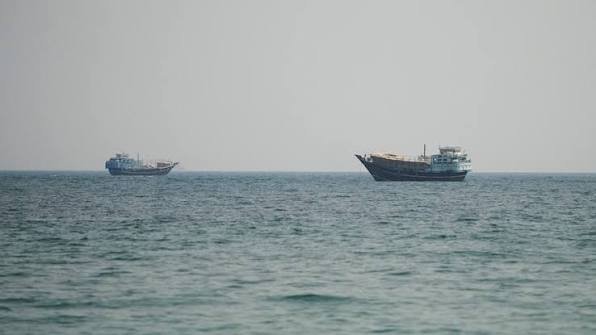
According to Trump, the renewed blockade is aimed exclusively at Iranian vessels and ships engaged in trade with Iran. He maintained that commercial vessels from other countries would continue to enjoy unhindered passage through the Strait of Hormuz, one of the world’s most strategically important maritime corridors.
Trump said the measure is intended to increase pressure on Iran by restricting its maritime trade while ensuring that international shipping through the Gulf remains uninterrupted.
In addition to the blockade, the U.S. president announced plans to introduce a 20 percent transit charge on cargo moving through the Strait of Hormuz. He argued that the fee would help offset the costs incurred by the United States in safeguarding maritime traffic through the critical waterway.
The Strait of Hormuz serves as a vital gateway for global energy supplies, with a substantial share of the world’s crude oil and liquefied natural gas exports passing through the narrow channel each day. Any disruption to shipping in the area has the potential to trigger volatility in international energy markets and affect global trade.
The latest announcement has already sparked concerns among investors and industry stakeholders, with expectations that renewed restrictions on Iranian shipping could tighten global oil supplies and push energy prices higher.
Analysts say the decision represents a significant shift in U.S. policy toward Iran and could further complicate diplomatic efforts to reduce tensions in the Middle East. They warn that increased military and economic pressure may provoke retaliatory measures from Tehran, potentially placing commercial shipping and regional security at greater risk.
Maritime experts have also questioned the feasibility of imposing unilateral transit fees in an international waterway governed by established maritime law, suggesting the proposal could face legal and diplomatic challenges.
As of the time of filing this report, Iranian authorities had not issued an official response to the announcement. However, the decision is expected to attract close attention from governments, international shipping operators and global financial markets as developments unfold.
The renewed blockade underscores the fragile security situation in the Gulf and signals that relations between the United States and Iran remain on a dangerous trajectory, with implications that extend far beyond the region.