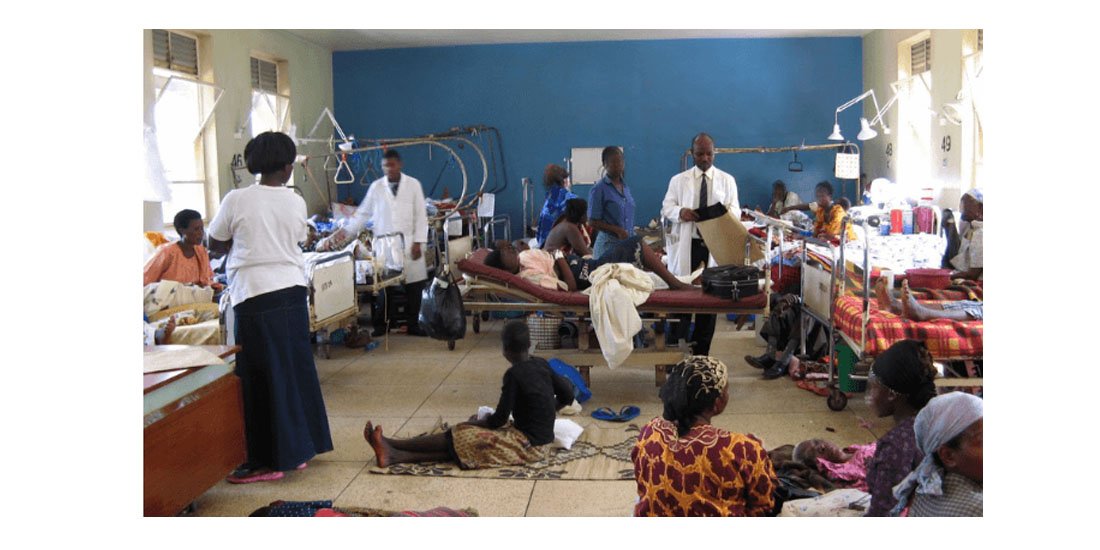
Nigeria’s health insurance crisis is deeper and more structurally entrenched than most policy discussions acknowledge, with 93 percent of the country’s population outside any formal health coverage and 71 percent paying directly out of pocket for care that should be accessible through a functioning insurance system, an industry stakeholders’ forum convened by Hallmark Health Services heard in Lagos.
The 5th Hallmark HMO Stakeholders Engagement Forum, themed Collaborating for Sustainable Healthcare Systems, brought together health executives, medical practitioners, regulators, and employers who spent the day, in the forum chairman’s own framing, admitting what millions of Nigerians already know: the system is not working for the people it is meant to protect.
Board Advisor Olumide Ajomale said the root cause of the breakdown was trust, or the absence of it. He said people avoided health insurance because they did not believe it would function when they needed it, pointing to hospitals without adequate equipment, HMOs with processes that felt punitive rather than supportive, and bills contested item by item in ways that made patients feel like adversaries of a system that was supposed to be their safety net. He said the domino effect of distrust made everything collapse and that rebuilding it required empathy to replace bureaucracy from the reception desk outward. The forum heard that the economics of health insurance in Nigeria were structurally precarious, with premiums unable to adjust mid-cycle despite rapidly rising provider costs, and consumption patterns unlike other insurance categories because health care was constant rather than episodic. Hallmark executives said the only viable path out of the structural squeeze was the collaborative framework the forum was designed to force, bringing providers, HMOs, regulators, employers, and patients into genuine partnership rather than leaving each group to manage the crisis from its own isolated position