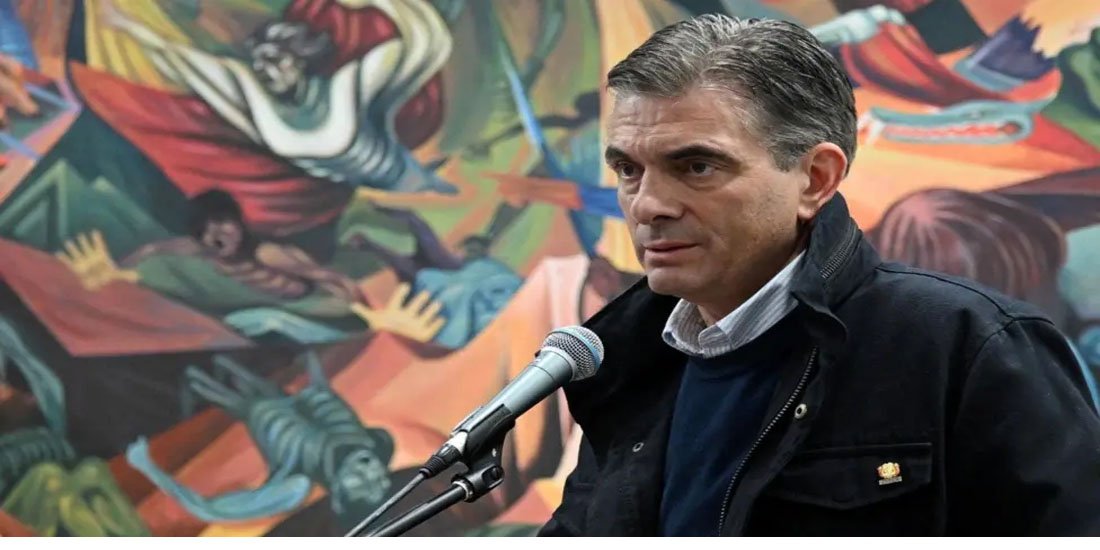
Bolivian President Rodrigo Paz has declared a nationwide state of emergency following weeks of anti-government protests that have disrupted transportation networks, caused shortages of essential goods, and intensified political tensions across the country.
The emergency measure grants the government expanded powers to remove roadblocks erected by demonstrators, which authorities say have severely affected economic activity and daily life.
In a statement announcing the decision, Paz said the move was necessary to “free the country’s roads” and restore normality after months of unrest.
Under Bolivian law, Congress must approve or reject the declaration within 72 hours.
The protests, led by miners, farmers, Indigenous organisations and other social groups, began in late April and have since evolved into a broader challenge to the government’s economic and political agenda.
At least several people have been killed during the demonstrations, while hundreds have been arrested, according to official reports.
Protest leaders are demanding the restoration of fuel subsidies, the reversal of austerity measures, and the resignation of President Paz. Demonstrators argue that recent government policies have increased economic hardship and weakened protections for vulnerable communities.
The president has rejected those claims, describing the unrest as a coordinated effort to destabilise his administration.
“Bolivians cannot continue to be hostages of blockades that prevent working, studying, receiving medical attention, supplying themselves, and bringing sustenance to their homes,” Paz said in a social media post on Saturday.
The emergency declaration came shortly after the government announced a new agreement with the country’s largest labour organisation, the Bolivian Workers’ Confederation, in an effort to ease tensions.
However, some Indigenous groups have vowed to continue their demonstrations, with major roadblocks remaining in place despite the agreement.
Journalists reported a heightened security presence in several cities on Saturday, with police and military personnel deployed to key public squares.
The blockades have worsened shortages of fuel and other essential supplies, creating significant challenges for businesses and households across Bolivia.
The unrest was initially sparked by a proposed land reform that critics said would make it easier for large landowners to acquire smaller properties. Although Paz later withdrew the proposal, the protests expanded as other groups joined to express opposition to government spending cuts and proposed constitutional changes.
Paz, a centre-right leader elected last October, argues that the constitutional reforms are necessary to attract private investment and stimulate economic growth. Opponents, however, contend that the changes could weaken public oversight of natural resources and other strategic sectors of the economy.
The president has also accused former leader Evo Morales of encouraging the demonstrations, an allegation Morales has denied.
In recent weeks, Paz has attempted to calm public anger through a series of measures, including a cabinet reshuffle, a 50% reduction in salaries for himself and his ministers, and the creation of a national dialogue council aimed at engaging groups that feel excluded from government decision-making.
Despite those efforts, the protests have continued to grow, leaving the government facing one of its most significant political challenges since taking office.
Last month, Bolivia’s Congress approved legislation that simplifies the process for declaring a state of emergency and authorising military deployment to respond to major public disturbances, a move that critics warned could expand executive powers during periods of social unrest.