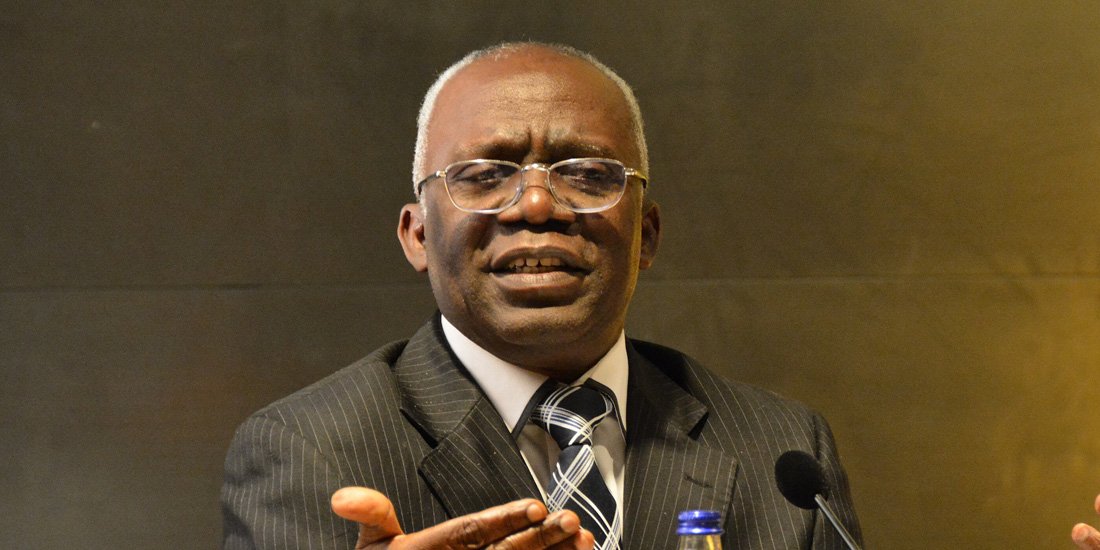
Prominent human rights lawyer, Femi Falana, has said Nigeria is operating a civilian government rather than a fully functioning democracy, stressing that genuine democratic governance must go beyond elections to deliver justice, accountability, human rights and social welfare.
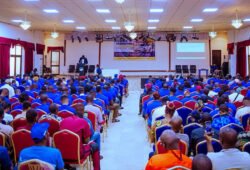
Falana made the remarks during the Second Annual General Meeting of Amnesty International Nigeria held in Abuja, where discussions focused on democracy, constitutional governance and human rights.
Speaking virtually at the event, the Senior Advocate of Nigeria argued that while the country has enjoyed 27 years of uninterrupted civilian administration, many of the constitutional promises made to citizens remain largely unfulfilled.
He maintained that despite widespread dissatisfaction with governance, military rule could not be considered a viable alternative.
“Military rule is not better than democracy regardless of the frustrations people may have. But we must also be honest enough to admit that what we currently have is largely civil rule and not the full expression of democracy that Nigerians fought and sacrificed for,” he said.
Falana warned against growing nostalgia for military regimes in some quarters, describing such sentiments as dangerous and inconsistent with Nigeria’s democratic aspirations.
According to him, democracy should not be defined solely by periodic elections but by the strength of institutions, respect for the rule of law, protection of human rights and the delivery of social and economic justice to citizens.
He expressed concern over what he described as a widening gap between constitutional guarantees and the realities faced by many Nigerians, particularly in the areas of education, healthcare, security and economic opportunities.
The rights advocate noted that several constitutional provisions aimed at improving citizens’ welfare remain difficult to enforce, leaving millions without meaningful protection despite the assurances contained in the law.
Falana also called for stronger institutions capable of holding public officials accountable and ensuring that government actions align with democratic principles.
He identified challenges within the justice system, law enforcement agencies and governance structures as major obstacles to democratic consolidation, warning that public confidence in democracy could continue to decline if institutions fail to meet citizens’ expectations.
On education, he welcomed recent government initiatives aimed at expanding access to learning, including student support programmes and school feeding schemes, but insisted that more efforts were needed to guarantee quality education for all Nigerians.
He described education as a critical tool for reducing poverty, promoting social mobility and strengthening democratic participation.
Falana further urged government authorities to prioritise the welfare of children, teachers and vulnerable groups, arguing that the strength of any democracy should be measured by how it treats its most disadvantaged citizens.
He also emphasised the importance of active citizen participation in governance, noting that democracy requires continuous public engagement rather than passive observation.
According to him, civil society organisations, the media, professional bodies and community leaders have vital roles to play in defending democratic values and demanding accountability from those in positions of authority.
While acknowledging progress made in governance and institutional development since the return to civilian rule, Falana said significant challenges remained, including human rights violations, weak implementation of laws, poverty and declining public trust in government institutions.
He called for renewed commitment to institutional reforms, effective leadership and people-centred policies that would translate constitutional ideals into practical benefits for citizens.
Falana stressed that Nigeria’s democratic journey should ultimately be measured not by the number of years spent under civilian rule, but by the extent to which citizens experience freedom, justice, dignity and equal opportunity.
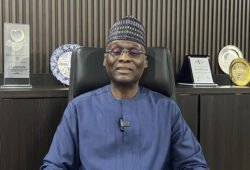
Earlier, Chairman of the Board of Amnesty International Nigeria, Auwal Musa Rafsanjani, highlighted some of the organisation’s recent human rights interventions.
Rafsanjani described Amnesty International Nigeria’s investigation into the Tiger Base anti-kidnapping unit in Owerri, Imo State, as one of its most significant achievements over the past year.
According to him, the investigation uncovered allegations of arbitrary detention, torture, extortion and enforced disappearances linked to the unit.
He said the report documented at least 200 deaths and disappearances between 2021 and 2025, underscoring the need for greater accountability and respect for human rights within security institutions.