The Executive Chairman of the Economic and Financial Crimes Commission (EFCC), Ola Olukoyede, has cautioned Nigerians against vote buying and other forms of financial inducement ahead of the 2027 general elections, describing them as serious threats to democratic governance and national development.
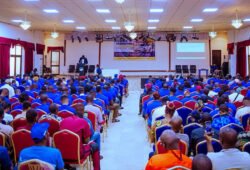
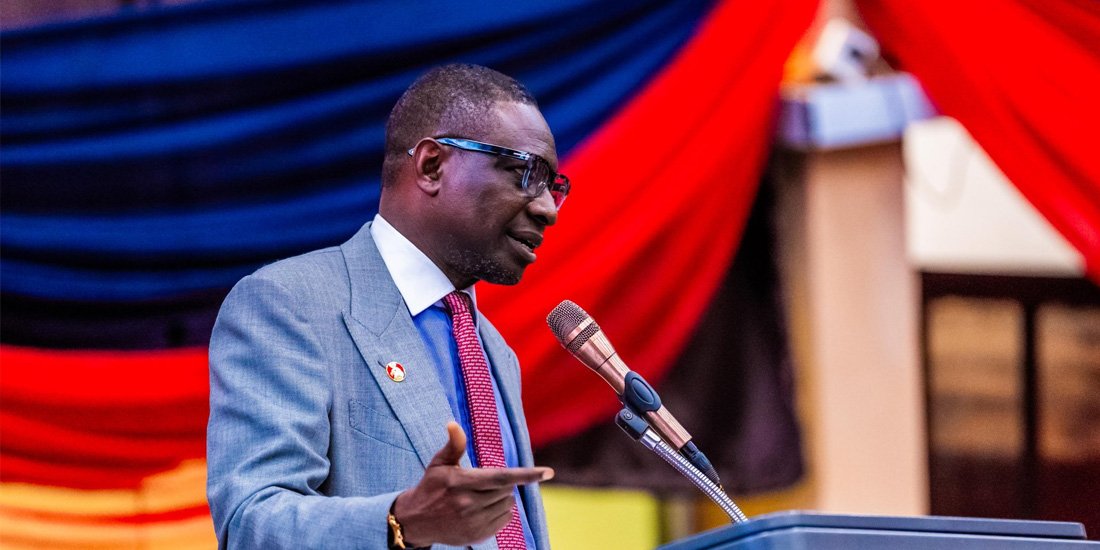
Olukoyede issued the warning on Wednesday while delivering the inaugural lecture of the High-Level Guest Speakers’ Series organized by the Centre for Peace and Strategic Studies at the University of Ilorin in Kwara State.
Speaking on the theme, “Mobilising Critical Stakeholders for Setting the Agenda for Peaceful and Credible 2027 Elections in Nigeria,” the EFCC chairman called on political actors, security agencies, the media, civil society groups, and citizens to work together to ensure peaceful, transparent, and credible elections.
He emphasized that the commission remains committed to tackling the monetization of the electoral process, noting that vote buying, vote selling, and other forms of financial influence undermine democratic institutions and weaken good governance.
According to him, politicians who gain public office through financial inducement are often more concerned with recovering their investments than serving the interests of the people.
“The EFCC is opposed to the commercialization of votes not only because it constitutes a financial crime, but because it weakens the foundation of good governance by compromising the political recruitment process,” he said.
Olukoyede disclosed that the anti-graft agency has secured several arrests, prosecutions, and convictions involving electoral offenders, including politicians, electoral officials, and citizens implicated in vote-buying schemes. He assured Nigerians that the EFCC would intensify its efforts ahead of the 2027 polls and prosecute offenders without fear or favor.
The EFCC chairman noted that electoral corruption has become increasingly sophisticated, with perpetrators now employing covert methods, coded communications, and off-site arrangements to influence voters.
He said investigations had revealed that vote-buying activities are no longer confined to election days or polling units, but are often carried out discreetly through established networks designed to evade detection.
“We are aware of these tactics and are prepared to safeguard the integrity of our elections,” he stated.
Olukoyede identified stronger collaboration among stakeholders, strict enforcement of electoral laws, issue-based political campaigns, responsible media engagement, impartial security operations, and effective conflict-resolution mechanisms as key factors necessary for credible elections.
He urged political parties to promote decent campaign practices and collectively reject vote buying, warning that inflammatory rhetoric and divisive politics have contributed to electoral violence in previous election cycles.
The EFCC chairman also called on the media to play a more active role in exposing electoral corruption, particularly vote-buying networks, while urging security agencies to maintain professionalism, neutrality, and vigilance throughout the electoral process.
He expressed confidence that coordinated efforts by all stakeholders would strengthen public trust in Nigeria’s democracy and help deliver peaceful and credible elections in 2027.