A new independent institution has been established to give Nigerian taxpayers a practical way to challenge decisions by revenue authorities that they consider unfair, inaccurate, or arbitrary, offering a mediation-based resolution process that is free of charge, accessible from anywhere in the country, and designed to resolve most disputes before they ever reach a formal tribunal or courtroom.
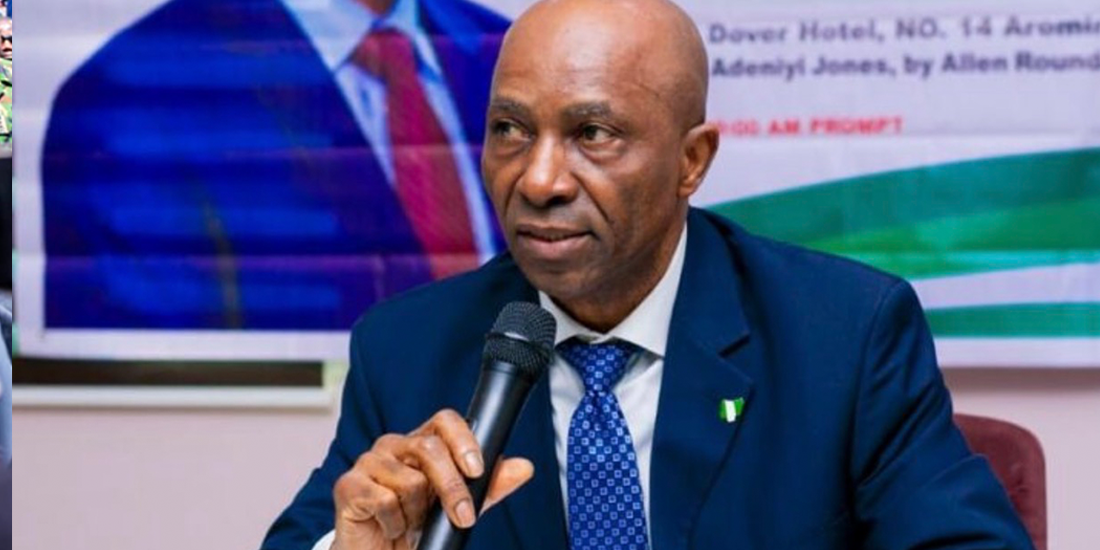
The Office of the Tax Ombud, created as part of the Tinubu administration’s broader tax reform agenda, began operations earlier this year and has already begun receiving complaints from taxpayers in multiple states, according to its chief executive Dr. John Nwabueze, who described the institution’s purpose and capabilities at a breakfast briefing with journalists in Abuja.
Nwabueze said the office occupied a gap in the Nigerian tax system that had long disadvantaged ordinary citizens and small businesses, who lacked the resources to engage in prolonged litigation against revenue agencies but equally lacked any accessible mechanism for having their grievances independently reviewed. The ombud institution, he said, was modelled on international best practices that had proven effective in jurisdictions where acceptance rates for ombud recommendations exceeded 80 percent, meaning the great majority of disputes that came before such offices were resolved without the need for courts.
The office served as an independent and impartial intermediary between taxpayers and agencies including the Nigeria Revenue Service, Customs, and other government revenue-generating institutions. Taxpayers who disagreed with assessments, felt they had been subjected to multiple or arbitrary taxation, or believed they had been treated unfairly in any aspect of their dealings with revenue authorities could bring their complaints to the ombud for review and mediation.
To maximize accessibility, the office launched a dedicated website, an online case management portal, and a toll-free call center enabling taxpayers to file complaints, monitor the progress of their cases, and access guidance on taxpayer rights and protections. Nwabueze was emphatic that the digital channels were complemented by telephone and text messaging services that extended the office’s reach to Nigerians in rural and underserved communities where internet access remained unreliable.
He said the office was working actively with state governments and the FCT Administration on the specific and widespread problem of multiple taxation, where businesses and individuals in many parts of Nigeria faced overlapping demands from different tiers and agencies of government that had no legal basis and served primarily to discourage economic activity and erode trust in the tax system.
Nwabueze described that trust deficit as a fundamental problem for Nigeria’s revenue mobilization efforts, saying that many Nigerians avoided filing tax returns not because they lacked awareness of their obligations but because past experiences of arbitrariness and unfairness had persuaded them that compliance brought no reciprocal benefit. Reducing multiple taxation and demonstrating that disputes would be handled fairly and promptly, he said, would do more for voluntary compliance than any enforcement measure.
The office was currently based in Abuja with a presence in each of the six geopolitical zones, with plans to expand its footprint as awareness of its services grew and demand increased. Nwabueze appealed to journalists to play an active role in that awareness effort, saying the institution was new and that many Nigerians who could benefit from its services did not yet know it existed.