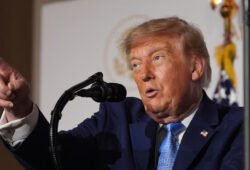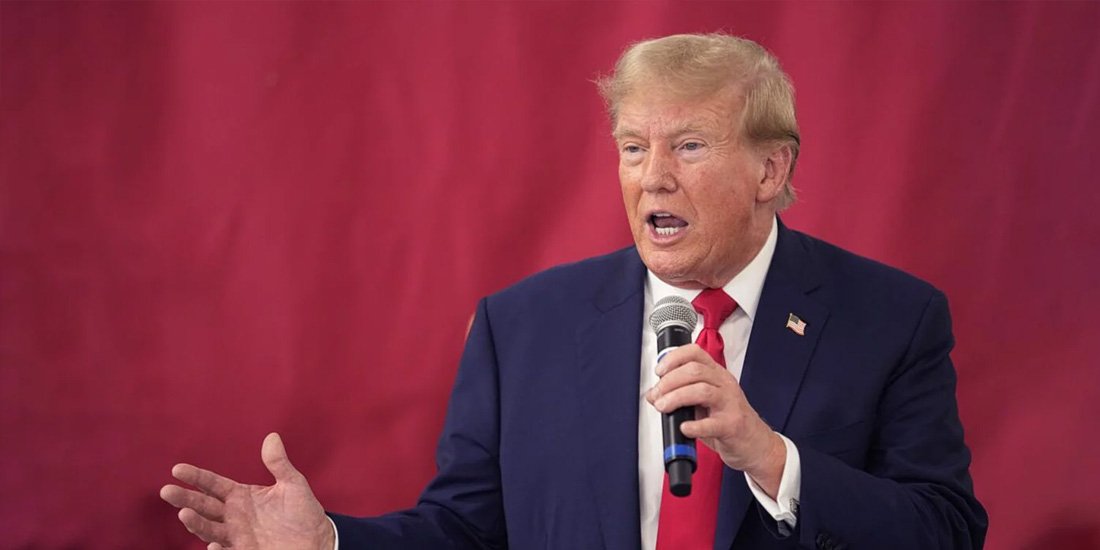
US President Donald Trump says he is preparing to make a final decision on a proposed agreement with Iran aimed at extending a ceasefire and creating a framework for broader peace talks in the Middle East.
Speaking in a social media post on Friday, Trump said he would meet in the Situation Room to determine the next step after weeks of negotiations involving regional and international mediators.
“I will be meeting now, in the Situation Room, to make a final determination,” Trump stated.
According to US sources quoted by AFP, the agreement is awaiting Trump’s approval following prolonged diplomatic efforts to end a conflict that has destabilised the Middle East and disrupted global markets.
The proposed deal reportedly includes measures requiring Iran to forgo nuclear weapons development, reopen the strategically important Strait of Hormuz to shipping traffic, and cooperate on the disposal of enriched uranium.
Trump also indicated that the United States could lift its naval blockade on Iranian ports as part of the arrangement, although it remains unclear whether all terms have already been agreed upon.
However, Iranian officials signalled continued reservations over the negotiations.
Iranian Foreign Minister Abbas Araghchi said reaching a final agreement would depend on Washington abandoning what he described as “excessive demands” and inconsistent positions.
In remarks released by Iran’s foreign ministry following a call with Oman’s foreign minister, Araghchi stressed that Tehran would judge the United States by its actions rather than promises.
Iran’s parliament speaker, Mohammad Bagher Ghalibaf, also expressed scepticism, insisting Iran had gained leverage “through missiles, not talks.”
“We place no trust in guarantees or words; only actions matter,” Ghalibaf wrote on X.
The renewed optimism surrounding a possible agreement followed comments by US Vice President JD Vance, who said substantial progress had been achieved in recent negotiations.
The prospect of a deal boosted Asian financial markets on Friday, while oil prices eased slightly amid hopes that normal shipping could resume through the Strait of Hormuz, a key route for global energy supplies.
Iranian state media, however, reported that the draft memorandum of understanding remains under review and has undergone changes in recent days.
Meanwhile, tensions in the region remain high despite a fragile ceasefire that has largely held since April.
Washington and Tehran have recently accused each other of violating the truce, with reports of renewed military exchanges involving the southern Iranian port city of Bandar Abbas and missile activity near the Gulf region.
Iranian authorities also warned that ships from “hostile countries” transiting the Strait of Hormuz could face military action, even as state television reported that 24 vessels had crossed the waterway in the last 24 hours under Iranian supervision.
Elsewhere in the region, Lebanese officials accused Israel of striking the historic Qalaat al-Chakif castle overlooking Nabatieh in southern Lebanon, amid continued clashes linked to the broader regional conflict involving Hezbollah and Israel.