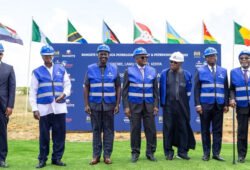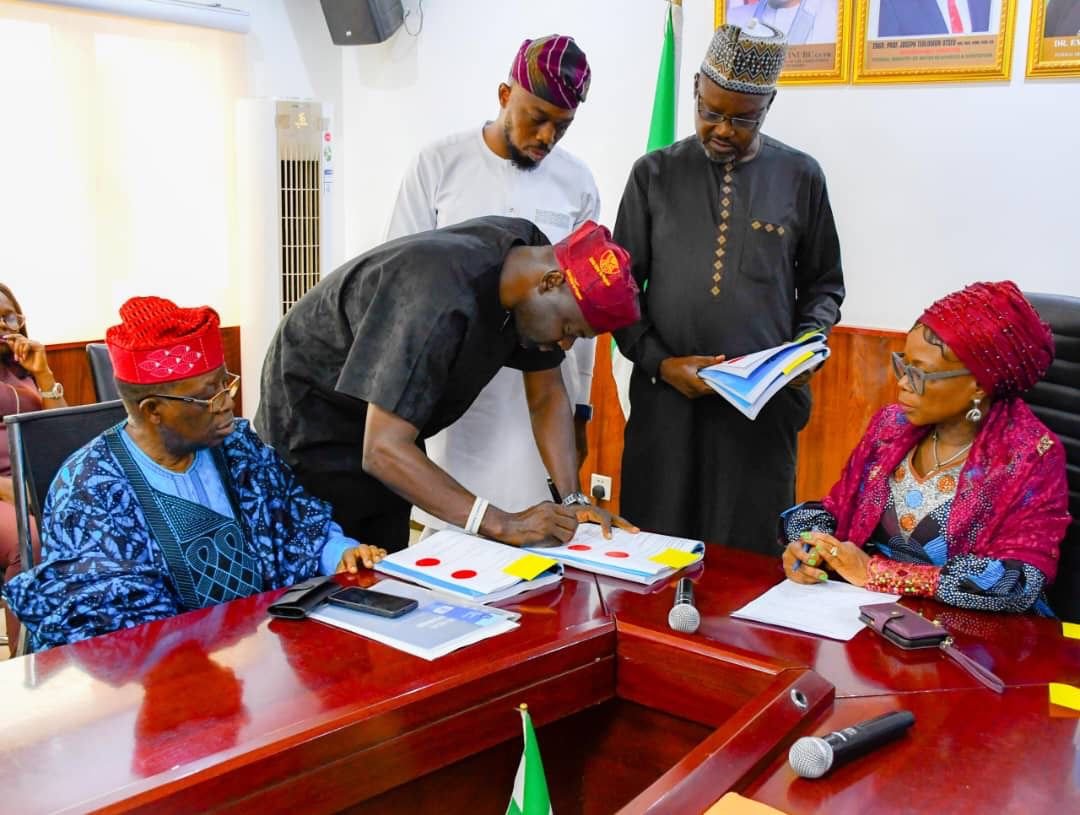
The federal government has signed a 1.5 billion dollar concession agreement for the Grand Katsina-Ala Hydropower Project, appointing Maverick Energy Partners as the preferred developer for a 460-megawatt storage hydropower facility on the Katsina-Ala River in Benue State under a 35-year public-private partnership arrangement that is expected to reach financial close in 2027.
The project is structured as a Design, Finance, Build, Operate and Transfer concession with the federal government holding a minimum 10 percent equity stake through the Ministry of Finance Incorporated. The signing followed a multi-year approvals process involving Federal Executive Council concession approval, certification by the Infrastructure Concession Regulatory Commission, and grid connection approval from the Transmission Company of Nigeria.
Dr. Johnson B.O. Adewumi, Chairman of Maverick Energy Partners, said the project was positioned as more than an electricity generation facility. Benue State, described as Nigeria’s agricultural heartland and one of West Africa’s most productive farming corridors, had long faced a critical shortage of reliable power that constrained agro-processing, irrigation, cold-chain logistics, and manufacturing. The project’s 460 megawatts of baseload capacity, with projected annual generation of approximately 2,401 gigawatt-hours, was expected to change that structural constraint and unlock broader industrial and commercial development across the region.
The consortium’s principals collectively brought decades of frontline hydropower experience across Africa, including direct involvement in the Zungeru, Mambilla, and Gurara hydropower projects. Their combined portfolio spanned more than 60,000 megawatts of energy infrastructure globally.
Brigitte Tilley-Gyado, Founder of GAN International Ltd and Blackwell Advisors Ltd and lead strategic adviser on the project, said Africa did not suffer from a shortage of capital but from a shortage of bankable projects. She said Grand Katsina-Ala demonstrated what became possible when sovereign commitment, technical capability, and long-term capital aligned around a shared development objective.
The federal government has signed a 1.5 billion dollar concession agreement for the Grand Katsina-Ala Hydropower Project, appointing Maverick Energy Partners as the preferred developer for a 460-megawatt storage hydropower facility on the Katsina-Ala River in Benue State under a 35-year public-private partnership arrangement that is expected to reach financial close in 2027.
The project is structured as a Design, Finance, Build, Operate and Transfer concession with the federal government holding a minimum 10 percent equity stake through the Ministry of Finance Incorporated. The signing followed a multi-year approvals process involving Federal Executive Council concession approval, certification by the Infrastructure Concession Regulatory Commission, and grid connection approval from the Transmission Company of Nigeria.
Dr. Johnson B.O. Adewumi, Chairman of Maverick Energy Partners, said the project was positioned as more than an electricity generation facility. Benue State, described as Nigeria’s agricultural heartland and one of West Africa’s most productive farming corridors, had long faced a critical shortage of reliable power that constrained agro-processing, irrigation, cold-chain logistics, and manufacturing. The project’s 460 megawatts of baseload capacity, with projected annual generation of approximately 2,401 gigawatt-hours, was expected to change that structural constraint and unlock broader industrial and commercial development across the region.
The consortium’s principals collectively brought decades of frontline hydropower experience across Africa, including direct involvement in the Zungeru, Mambilla, and Gurara hydropower projects. Their combined portfolio spanned more than 60,000 megawatts of energy infrastructure globally.
Brigitte Tilley-Gyado, Founder of GAN International Ltd and Blackwell Advisors Ltd and lead strategic adviser on the project, said Africa did not suffer from a shortage of capital but from a shortage of bankable projects. She said Grand Katsina-Ala demonstrated what became possible when sovereign commitment, technical capability, and long-term capital aligned around a shared development objective.