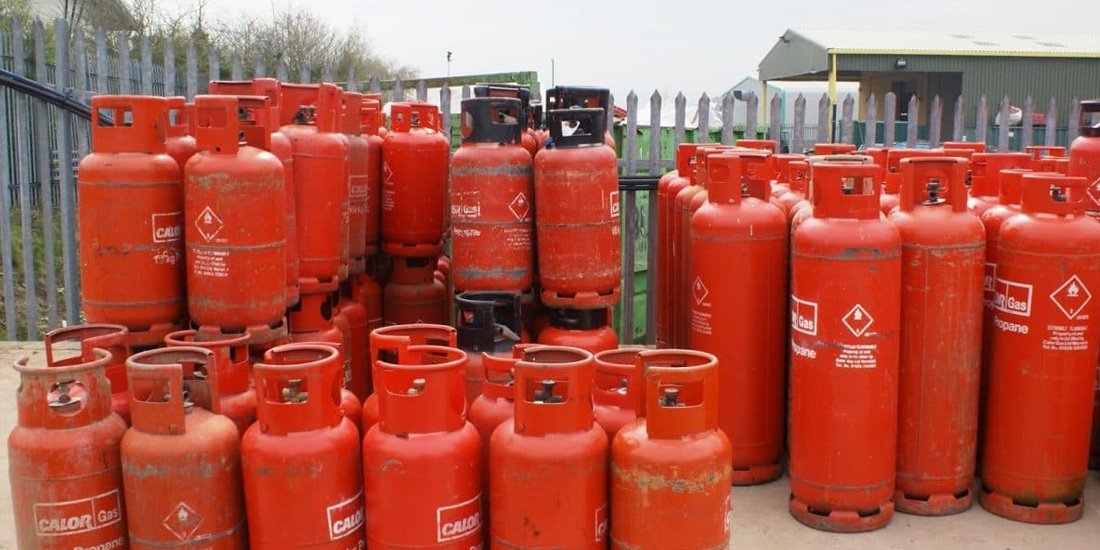
The Nigerian Association of Liquefied Petroleum Gas Marketers has raised an alarm over a fresh spike in cooking gas prices that is pushing households back toward firewood and charcoal and threatening to erase years of progress on the federal government’s clean energy transition agenda.
The association said Nigerians were now paying over 1,500 naira per kilogram of liquefied petroleum gas, while marketers were purchasing 20 metric tonnes at between 25.2 million and 26.2 million naira depending on location. The group said the situation was not only eroding household budgets but also forcing small businesses to fold under rising energy costs.
It described the crisis as driven by a combination of persistent supply shortages, elevated depot prices, logistics bottlenecks, and rising operational costs across the distribution chain. Where product was available, it said, prices had risen far beyond the reach of average Nigerians.
The reversal was particularly stark given the scale of progress Nigeria had recently recorded on LPG adoption. Domestic supply had improved significantly, with the Dangote Refinery and the Nigeria Liquefied Natural Gas company together supplying 87 percent of the country’s cooking gas in 2025. National LPG consumption grew from 900,000 metric tonnes in 2021 to two million metric tonnes in 2025, making Nigeria the fastest growing LPG market on the continent. The association said the current crisis was putting all of that momentum at risk.
It warned that without urgent coordinated action, the consequences could include accelerated food inflation, the collapse of small-scale LPG retail businesses, job losses, reduced investor confidence, and a significant setback to Nigeria’s climate commitments.
The association called on the federal government, the Ministry of Petroleum Resources, the Nigerian Midstream and Downstream Petroleum Regulatory Authority, NNPC, domestic producers, and terminal operators to act immediately. Its recommendations included increasing domestic LPG allocations to the Nigerian market, ensuring transparent and equitable distribution across regions, reducing bottlenecks in importation, storage, and distribution, and implementing measures to stabilise retail prices. It also urged companies with sufficient capital to invest in storage and distribution infrastructure to prevent future supply shocks.