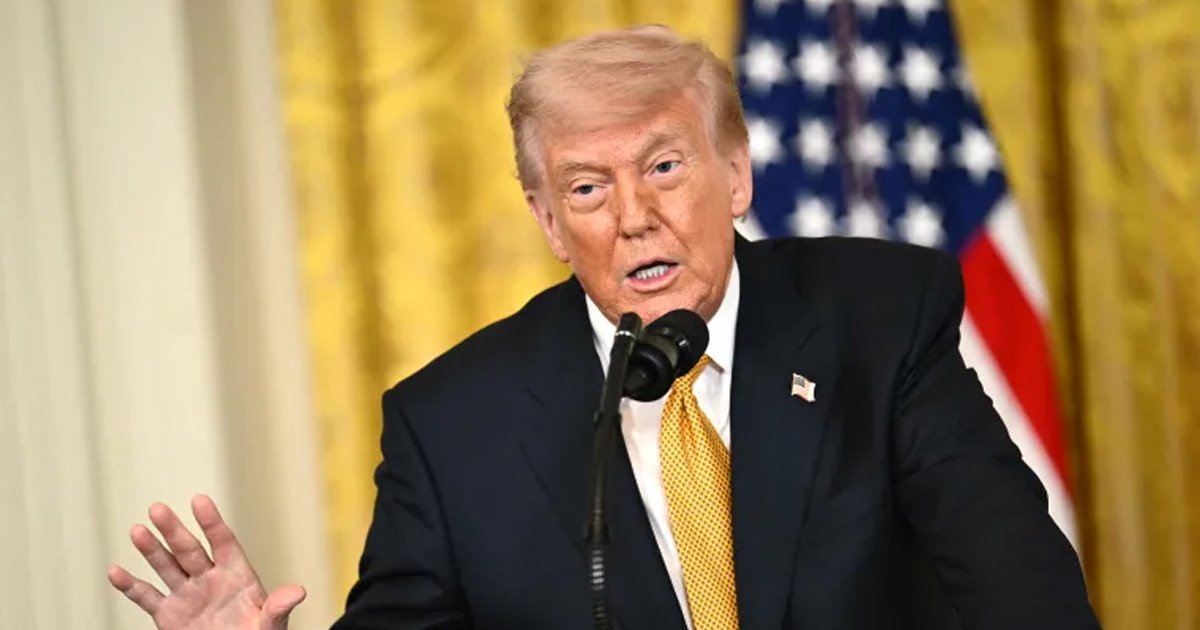
President Donald Trump declared the ceasefire with Iran was on life support after dismissing Tehran’s response to an American peace proposal as a piece of garbage, raising fresh fears of a return to full-scale hostilities in a conflict that has already killed thousands, disrupted global energy markets, and effectively closed the Strait of Hormuz for more than two months.
Trump told reporters on Monday that he had not even finished reading Iran’s response, describing its leaders as very dishonorable people and saying the ceasefire had perhaps a one percent chance of surviving. Iran’s response had focused on ending the war across all fronts including Lebanon, demanded compensation for war damage, insisted on its sovereignty over the Strait of Hormuz, called for the lifting of the US naval blockade and all sanctions, and sought a guarantee against further attacks before any nuclear talks could begin.
Washington had proposed ending the fighting first before addressing more contentious issues including Iran’s nuclear program. Tehran defended its position, with the Foreign Ministry spokesman describing the demands as legitimate and describing Iran’s offer as generous and responsible.
Brent crude oil futures rose 2.7 percent to approximately $104 per barrel as the diplomatic deadlock left the strait largely closed, with shipping data showing just three tankers laden with crude exiting the waterway the previous week, many with tracking systems disabled to avoid Iranian attack.
Israeli Prime Minister Benjamin Netanyahu said the war was not over because more work remained to remove enriched uranium from Iran, dismantle enrichment facilities, and address proxy forces and ballistic missile capabilities.
Meanwhile, an OPEC survey found that the organization’s crude output fell by 830,000 barrels per day in April to 20.04 million barrels per day, the lowest level in more than two decades, as the near-closure of the Strait of Hormuz forced export cuts across member countries. Kuwait recorded the largest single-country production drop, reflecting a full month of export disruption, while Saudi Arabia and Iraq also declined. The UAE, which has an alternative export route bypassing the strait, was the only Gulf member to increase production.