President Bola Tinubu has outlined his administration’s vision for building a comprehensive and digitally integrated social protection system for Nigeria, describing a coordinated architecture in which pensions, healthcare, employment support, social assistance, housing, and workplace compensation would operate together as a unified guarantee of security for all Nigerians rather than as disconnected and poorly coordinated programmes.
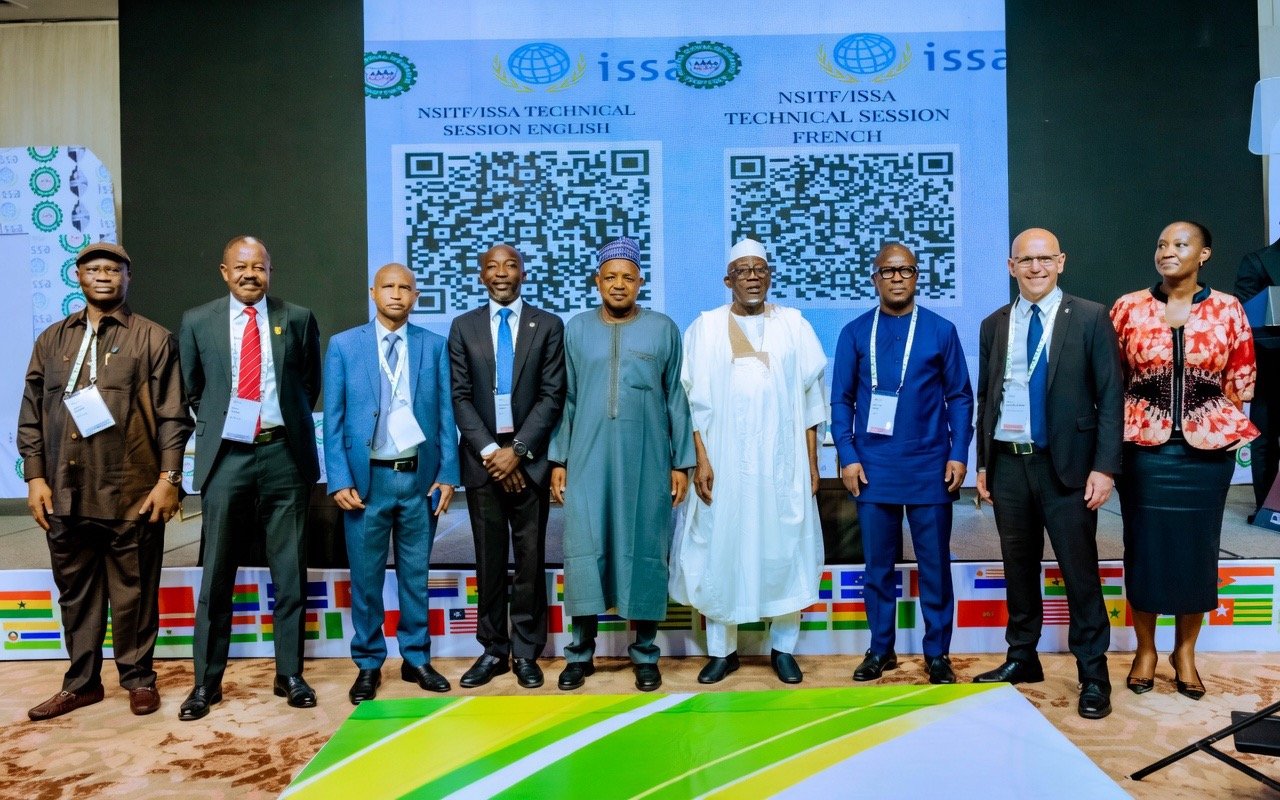
The president made the declaration at the opening of the 2026 International Social Security Association West Africa Seminar in Abuja, themed “Improving Inclusiveness and Accessibility of Social Security Services Through Effective Communication in West Africa,” represented by the Minister for Budget and National Planning, Senator Atiku Bagudu.
Tinubu disclosed that under the oversight of the National Pension Commission, over 10 million Nigerian workers were actively contributing to the Contributory Pension Scheme, with pension assets now exceeding N25 trillion. He described this as a landmark achievement, saying it gave contributors genuine confidence that retirement would mean security and dignity rather than hardship and uncertainty.
Through the Nigeria Social Insurance Trust Fund, over 7.5 million Nigerian employees were now covered under the Employees’ Compensation Scheme. Through the National Health Insurance Authority, over 16 million Nigerians were enrolled under health insurance programmes, reducing catastrophic out-of-pocket medical expenses for vulnerable populations.
Programmes such as N-Power had provided skills development and employment opportunities to hundreds of thousands of young Nigerians, while the National Directorate of Employment had empowered more than two million Nigerians through vocational training, entrepreneurship development, and job creation initiatives.
“Our objective is clear: to move toward an integrated and digitally enabled social protection system, where pensions, healthcare, employment support, social assistance, housing, and compensation programmes operate not in isolation, but as coordinated guarantees of social and economic security,” he said.
The president emphasized that communication was a critical enabler of social protection inclusion, arguing that legislation alone could not create trust. “A pension scheme fails if the market woman does not understand how to join it,” he said, challenging social security institutions to communicate their offerings in language and formats accessible to every Nigerian.
NSITF Managing Director Oluwaseun Faleye said the agency had embarked on a progressive digital transformation journey, moving from fragmented paper-based processes toward integrated systems that enhanced integrity and improved service delivery. International Labour Organization Country Representative Vennessa Phala identified limited coverage, low subscription levels, poor institutional governance, and low management capacity as the key challenges facing social security in the region, while highlighting digital technology and community-based communication as critical opportunities for expanding inclusion.