Global oil markets remained volatile on Wednesday as prices fluctuated sharply following an announcement by U.S. President Donald Trump that the ceasefire with Iran would be extended to allow more time for ongoing peace negotiations.
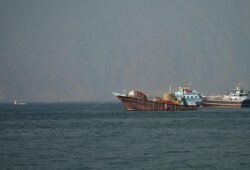
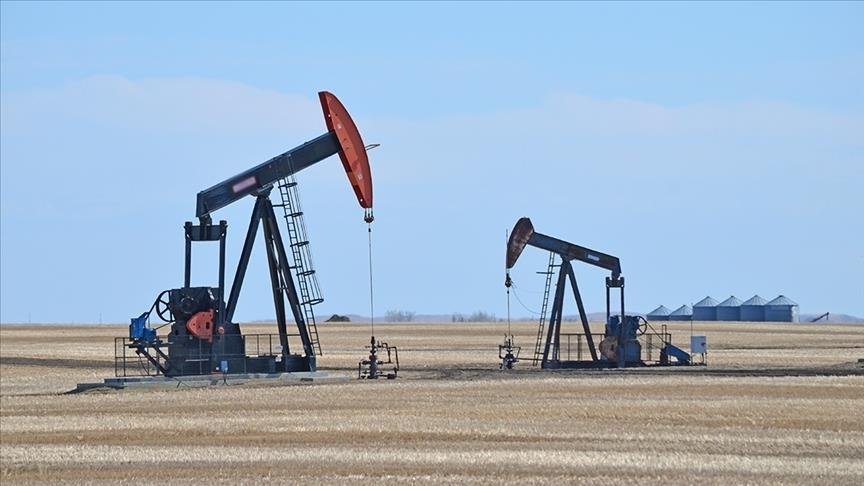
Brent crude, the global benchmark, initially rose during early trading in Asia before dipping to around $97.60 per barrel. Prices later rebounded, briefly touching the $100 mark amid fresh reports of attacks on vessels in the Strait of Hormuz, a critical global shipping route.
Trump said the United States would maintain its blockade of Iranian ports until Tehran presents what he described as a “unified proposal” in negotiations. He also indicated that Washington would hold off on further military action for now, following calls from Pakistan for additional time to facilitate talks.
The conflict, which escalated after joint U.S. and Israeli strikes on Iran in late February, has continued to unsettle global energy markets. Iran’s response, including threats to disrupt shipping in the Strait of Hormuz, has heightened fears of supply disruptions. The narrow waterway accounts for roughly one-fifth of the world’s oil and gas shipments.
Although a two-week ceasefire had been set to expire, Trump did not specify a new timeline for its extension. Meanwhile, uncertainty continues to cloud diplomatic efforts. U.S. Vice President JD Vance, who is leading negotiations, is no longer expected to travel to Islamabad for talks, while Iranian officials have yet to confirm their participation.
Analysts say market movements are being driven less by immediate supply changes and more by geopolitical uncertainty. Jiajia Yang, an associate professor at James Cook University in Australia, noted that trader sentiment remains cautious as developments unfold.
Oil prices have surged significantly since the outbreak of hostilities, largely due to disruptions linked to the Strait of Hormuz. With tensions still high and negotiations ongoing, markets are expected to remain sensitive to both diplomatic signals and security developments in the region.