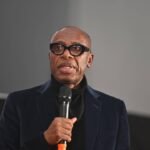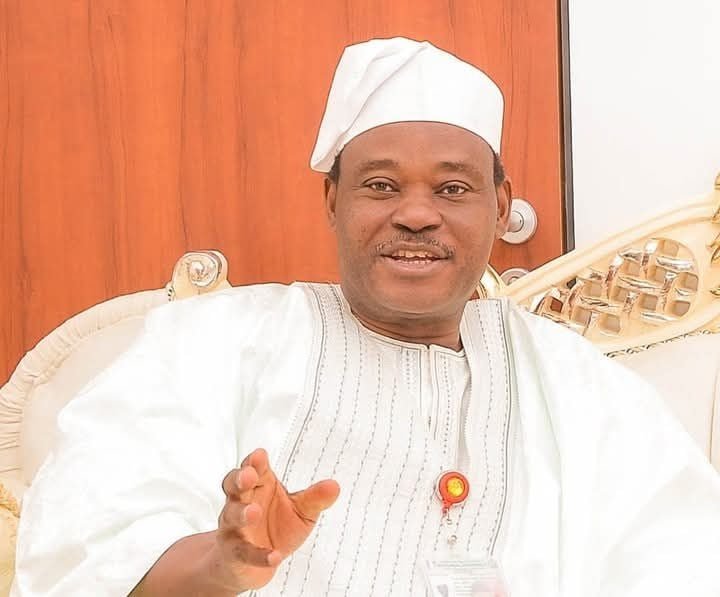
Nigeria’s Ambassador and Permanent Representative to the United Nations, Jimoh Ibrahim, has given an unambiguous assurance that President Bola Tinubu’s economic reform programme will not be reversed, regardless of the short-term hardship it has generated, and that Nigerians would ultimately benefit from the structural transformation it is designed to deliver.
Speaking at a parliamentary session held on the sidelines of the IMF and World Bank Spring Meetings in Washington, D.C., Ibrahim framed Nigeria’s domestic reforms within a broader global economic conversation, arguing that no country could achieve meaningful development this year or beyond without a concerted international effort to restore peace around the Strait of Hormuz.
“No country can achieve significant economic development this year or thereafter until we jointly secure peace in the ongoing tensions involving Iran, especially as it concerns international passage through the Strait of Hormuz,” he said.
Ibrahim warned that disruptions to the corridor carried potentially severe consequences for the global economy, given that the strait serves as the passage for over 25 percent of the world’s seaborne oil, estimated at more than 20 million barrels per day, as well as approximately 20 percent of global liquefied natural gas. He noted that major economies including China, India, Japan, and South Korea would be acutely affected by any escalation, complicating economic planning and deepening development challenges worldwide.
On the domestic front, Ibrahim reaffirmed the federal government’s commitment to sustaining its reform agenda, describing legislative backing as essential to cushioning the impact on ordinary citizens. He urged stronger collaboration between the executive and legislature to translate policy into practical relief, and encouraged global parliamentarians to adopt cooperative frameworks similar to what he described as Nigeria’s model under Senate President Godswill Akpabio.
“President Bola Tinubu introduced reforms that will make Nigeria great. These policies may come with short-term pains, but they are indispensable for growth and economic development,” Ibrahim said.
The envoy also used the occasion to formally bid farewell to colleagues at the parliamentary forum, disclosing that he would be stepping down from parliamentary duties following his appointment by President Tinubu as Nigeria’s Ambassador Extraordinary and Plenipotentiary to the United Nations, signalling a transition into a new phase of diplomatic service.