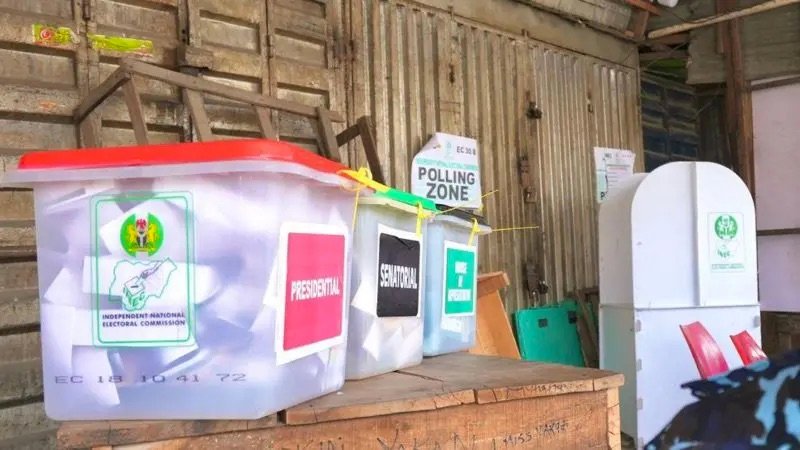
As political parties and candidates intensify campaigns ahead of the 2027 general elections, Nigerians and other stakeholders have urged politicians to move beyond slogans, personal attacks and divisive rhetoric and focus on practical solutions to the country’s challenges.
The stakeholders said voters were more interested in clear, measurable and achievable programmes that would improve their living conditions than in ethnic, religious or personality-driven campaigns.
They identified insecurity, food inflation, unemployment, education, healthcare, electricity, housing, agriculture, industrialisation and economic reforms as key issues that should dominate the 2027 election campaigns.
Candidates must explain ‘how’
A former Chairman of the Social Democratic Party in Ondo State, Stephen Adewale, said candidates must go beyond making broad promises and clearly explain what they intend to do, how they will achieve their objectives and when Nigerians should expect results.
Adewale said voters wanted concrete plans to address insecurity, the rising cost of living, food inflation, unemployment, poverty, electricity, healthcare and education.
He also urged candidates to explain how their proposed programmes would be funded and how citizens would hold them accountable if elected.
Public affairs analyst, Ayo Fadaka, similarly criticised what he described as shallow political campaigns, saying parties needed target-driven manifestoes capable of addressing Nigeria’s developmental challenges.
He said campaigns should focus on realistic programmes capable of giving Nigerians hope, rather than allowing cheap populism and political rhetoric to dominate the electoral process.
Fadaka identified insecurity, poverty, healthcare, education, agriculture and industrialisation as major issues, stressing that the development of industries was essential to tackling rising unemployment.
Security, electricity, jobs top agenda
Social crusader, Bode Akinbode, said security, functional refineries, affordable and stable electricity, improved healthcare, job creation and affordable housing should feature prominently in the campaigns.
He also called for policies capable of empowering young agripreneurs and increasing agricultural production.
The spokesperson for The Osun Masterminds, Ayo Ologun, said Nigerians were no longer interested in hate speech or arguments over the academic qualifications of political candidates.
According to him, the ruling party should explain how its policies would improve the lives of Nigerians, while opposition parties must present credible alternatives capable of convincing voters.
Stakeholders demand food security
Waheed Saka, Convener of Dialogue 365, urged political parties to make food security a central issue in their 2027 campaign plans.
He said candidates should explain how their agricultural policies would increase food production, reduce poverty and make food more affordable.
Saka argued that Nigerians had heard enough personality attacks and wanted to know what political parties intended to do to improve their welfare.
A Chartered Librarian and public affairs analyst, Ayo Arogundade, also called for issue-based campaigns and warned against character assassination, tribalism and religious sentiments.
He urged presidential candidates to engage voters on the economy, subsidy policy, infrastructure, energy, education, healthcare, foreign exchange, fiscal and monetary policies, as well as security.
Arogundade also advocated presidential debates and town-hall meetings to allow voters to scrutinise the candidates and their programmes.
Education, healthcare, infrastructure
Former Ekiti State Commissioner, Lanre Ogunsuyi, said candidates should present realistic policies on healthcare, education, security, infrastructure and employment.
He advocated a review of university curricula to make education more responsive to labour-market needs, while calling for improved school infrastructure, better funding, qualified teachers and wider access to education.
Ogunsuyi also urged candidates to present effective strategies for tackling crime and terrorism and identified electricity, roads, transportation, water supply, entrepreneurship, investment and sustainable job creation as critical national priorities.
Community leader, Akinkunmi Olufemi, said security should be the starting point of the 2027 campaigns, alongside healthcare, economic recovery and measures to reduce the cost of utilities such as electricity and telecommunications.
He cautioned politicians against vendetta and the practice of pulling down opponents, urging leaders to focus on governance, development and citizens’ welfare.
Olufemi also called for continuity in government, saying projects funded with taxpayers’ money should not be abandoned whenever there is a change of administration.
Voters want measurable promises
Niyi Rotimi, Head of the Human Rights Department of the Justice, Development & Peace Movement, Abeokuta, said Nigerians expected political parties and presidential candidates to publish clear manifestoes and explain what they would do differently if elected.
He identified insecurity, hunger, youth unemployment, cybercrime, education, out-of-school children, food production, agriculture, healthcare and poverty among the issues requiring urgent attention.
Rotimi said candidates should provide clear plans for protecting lives, creating jobs, improving food production, strengthening education, providing affordable housing and healthcare, ensuring reliable electricity, developing roads and improving transportation.
Niger Delta seeks environmental justice
In the Niger Delta, veteran governance and environmental rights advocate, Iniruo Wills, urged presidential and governorship candidates to present concrete plans for addressing decades of environmental pollution in the region.
Wills warned that candidates without clear proposals for cleaning up the Niger Delta could face rejection by voters in the region.
He also called for community-based consultations before candidates finalise their manifestoes, citing oil pollution, gas flaring and ecological degradation as longstanding concerns requiring political action.
The Convener of the South South Reawakening Group, Joseph Ambakederimo, said food production, affordable housing and industrialisation should also dominate the campaigns.
He called for massive investment in agriculture, housing and local industries, arguing that a stronger business environment would help create jobs for young Nigerians.
Restructuring also on the agenda
Former presidential candidate, Chief Peter Ameh, urged candidates to prioritise education reform and practical vocational training.
He called for the restoration of public school infrastructure and greater consideration of free education, while linking education reform to improvements in the country’s security architecture.
Ameh also advocated greater investment in agriculture and increased participation by young Nigerians, saying the country could significantly expand food production with the right policies and resources.
The National Organising Secretary of Afenifere, Apagun Kole Omololu, said the 2027 campaigns should address the structural problems affecting the Nigerian economy.
He urged candidates to explain how they would revive the economy, stabilise the naira, control inflation, create productive jobs and restore citizens’ purchasing power.
Omololu also called for discussions on security, education, healthcare, agriculture, electricity, infrastructure, social protection and restructuring of Nigeria’s political and economic system.
Across the various submissions, stakeholders agreed that the 2027 election should focus less on slogans, insults and personality attacks and more on ideas, competence, credible programmes and accountability.
They said voters wanted candidates to explain not only what they intended to do, but also how their promises would be financed, when they would be delivered and how they would be held accountable.
For the ruling party, stakeholders said this means defending its record and explaining the impact of its policies on ordinary Nigerians, while opposition parties must provide credible alternatives instead of relying solely on criticism of the government.