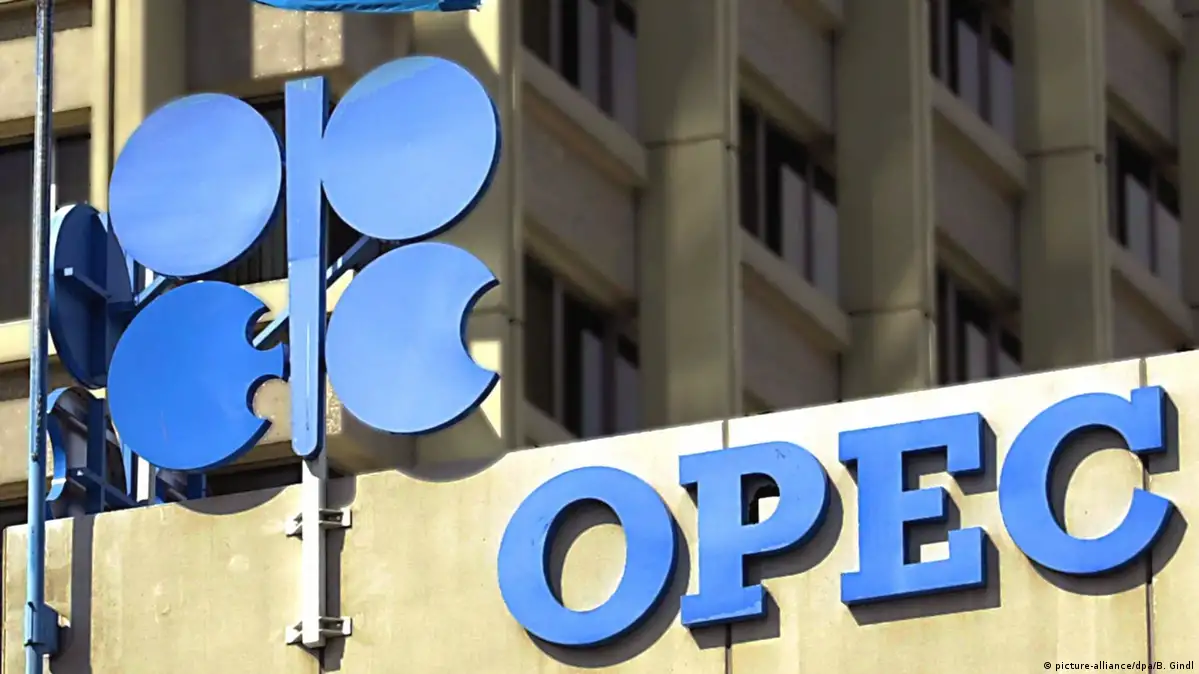
Nigeria’s crude oil output recovered in March, rising by 69,000 barrels per day to reach 1.383 million barrels per day, but the country remained below its OPEC quota of 1.5 million barrels per day for the month, continuing a pattern of underproduction that has long frustrated its revenue ambitions.
Data from OPEC’s Monthly Oil Market Report showed the March figure was based on direct communication from Nigeria, and while it marks an improvement from February’s 1.314 million barrels per day, it falls well short of the 1.459 million recorded in January, the country’s strongest output of recent months.
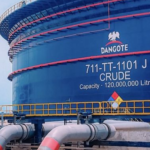
Nigeria has only briefly met its OPEC production quota, touching the mark in January, June, and July of last year, with the persistent shortfall driven by a combination of aging infrastructure, pipeline insecurity, and ongoing technical disruptions. The consequences extend beyond missed revenue. Local refineries, including Dangote, have at times needed to source crude internationally when domestic production falls short of their capacity requirements.
Across OPEC, production trends in March were broadly mixed. Algeria and Congo recorded modest increases, while Saudi Arabia posted a sharp month-on-month decline to 7.763 million barrels per day from over 10 million in February, a significant adjustment. Iraq, Kuwait, and the UAE also recorded declines, while Iran remained relatively stable.
On a separate but strategically significant front, the head of Morocco’s hydrocarbons and mining agency confirmed that an intergovernmental agreement on the planned $25 billion Nigeria-Morocco gas pipeline is expected to be signed this year. The pipeline, known as the African Atlantic Gas Pipeline, would run approximately 6,900 kilometres on a hybrid offshore-onshore route, with a maximum capacity of 30 billion cubic metres, including 15 billion cubic metres earmarked for Morocco and European export.
The project, backed by the Economic Community of West African States, has completed its feasibility study and front-end engineering design stages. A high authority bringing together ministerial representatives from all 13 participating countries will be established following the agreement, alongside a joint project company between Morocco’s ONHYM and NNPC to lead execution and financing.
Initial segments will connect Morocco to gas fields in Mauritania and Senegal, and link Ghana to Côte d’Ivoire, before a final segment connects Ghana to Nigeria’s gas fields. First gas from the early phases is targeted for 2031.
No final funding commitments have been secured, but the project’s developers say it is attracting strong interest given its scale, phased structure, and strategic positioning as an energy bridge between Africa and Europe.