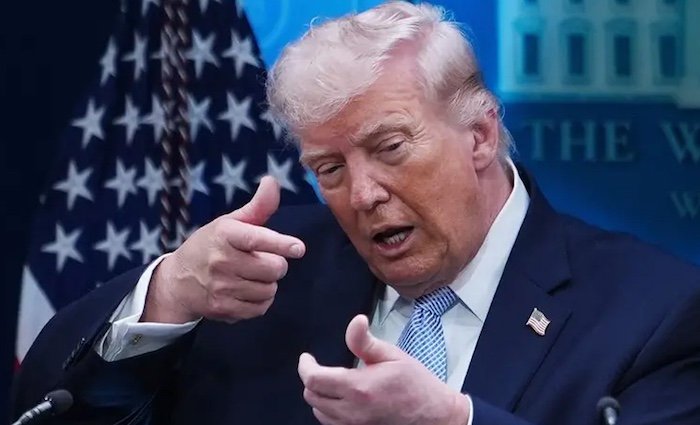
Donald Trump has accused Iran of breaching the terms of a ceasefire agreement over the Strait of Hormuz, warning that Tehran’s actions do not align with the deal reached with the United States.
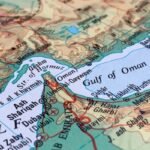
In a series of posts on Truth Social, Trump criticised Iran’s handling of the key global shipping route, through which about 20 percent of the world’s oil supply passes. He described Tehran’s approach as inadequate and cautioned against any attempt to impose transit fees on oil tankers, insisting such measures were not part of the agreement.
The Strait of Hormuz remains central to the fragile two-week ceasefire between Washington and Tehran, with its reopening seen as critical to easing disruptions in global energy markets. However, uncertainty persists over whether full and unrestricted shipping has resumed.
Trump’s comments come amid continued tensions across the region, particularly in Lebanon, where clashes between Israeli forces and Hezbollah fighters have continued despite the ceasefire framework. Reports of fresh strikes have raised concerns about the stability of the truce.
Iranian officials have condemned the ongoing violence in Lebanon as a violation of the ceasefire, although both the United States and Israel maintain that the agreement does not extend to the Lebanese front.
Diplomatic efforts to sustain the ceasefire are ongoing, with talks between U.S. and Iranian officials expected to take place in Islamabad. U.S. Vice President JD Vance is expected to participate alongside an Iranian delegation, though officials say arrangements are yet to be finalised.
International concern is also growing over potential violations of the truce. French Foreign Minister Jean-Noël Barrot and Pakistan’s Foreign Minister Mohammad Ishaq Dar have discussed the situation, calling for strict adherence to ceasefire terms.
Pakistan is positioning itself as a mediator in the crisis, with heightened security measures already in place in Islamabad ahead of the anticipated negotiations.
Analysts warn that disagreements over the ceasefire’s scope, continued military actions, and disputes surrounding the Strait of Hormuz could undermine efforts to achieve a broader and lasting resolution.