Ship movements through the Strait of Hormuz remained sharply reduced on Thursday, despite a ceasefire agreement between the United States and Iran, as tensions and uncertainty continued to disrupt global energy supplies.
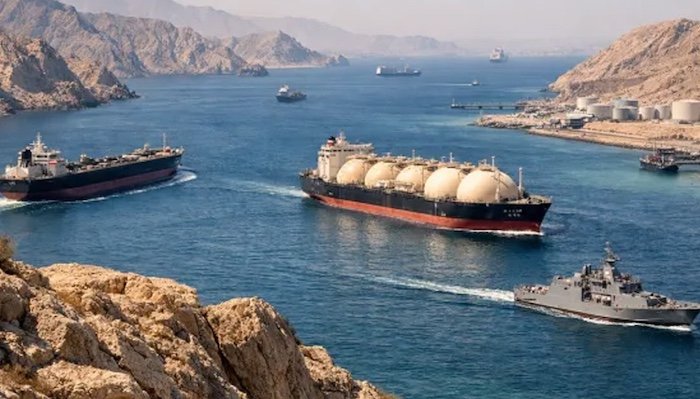
Shipping data showed that traffic through the vital oil transit route was operating at less than 10 percent of normal capacity, with only seven vessels passing through in the last 24 hours compared to the usual average of about 140.
The disruption follows months of conflict that began in late February, leaving hundreds of tankers stranded in the Gulf and cutting global oil supply by an estimated 20 per cent in what analysts describe as one of the largest supply shocks in history.
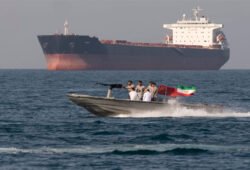
Although Tehran has agreed to a two-week ceasefire with Washington, Iranian authorities have continued to assert control over the strait, warning vessels to coordinate passage through its waters. Reports indicate that ships are being redirected around Larak Island to avoid potential naval mine risks in traditional shipping lanes.
Risk analysts say the backlog of vessels is unlikely to clear quickly. “Most shipping lines will remain cautious, and two weeks will not be enough to restore normal flow,” said Torbjorn Soltvedt of Verisk Maplecroft.
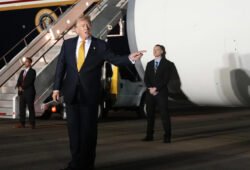
Negotiations between the U.S. and Iran are scheduled to begin on Friday in Islamabad, following a 10-point proposal from Tehran. The talks come after Donald Trump announced a temporary suspension of military action, signaling a potential path toward de-escalation.
Despite the diplomatic move, uncertainty persists in global energy markets. Oil prices rose again on Thursday, with Brent crude climbing to $98.16 per barrel and U.S. West Texas Intermediate (WTI) reaching $99.15, as traders remained cautious about the durability of the ceasefire and the reopening of the strait.
Geopolitical tensions in the region continue to weigh on market sentiment. Israel reportedly carried out fresh airstrikes in Lebanon, raising fears that the fragile truce could collapse before negotiations make meaningful progress.
Meanwhile, reports suggest the U.S. is considering a potential reduction of its military presence in Europe amid concerns over allied support in securing the Strait of Hormuz. More than 80,000 American troops are currently stationed across the continent.
In a related development, Israeli Prime Minister Benjamin Netanyahu said his government is preparing for possible peace talks with Lebanon, focusing on disarmament of Iran-backed militant group Hezbollah and broader regional stability.
With no clear timeline for a full reopening of the Strait of Hormuz, analysts warn that global oil supply chains may remain under pressure, prolonging volatility in energy markets.