
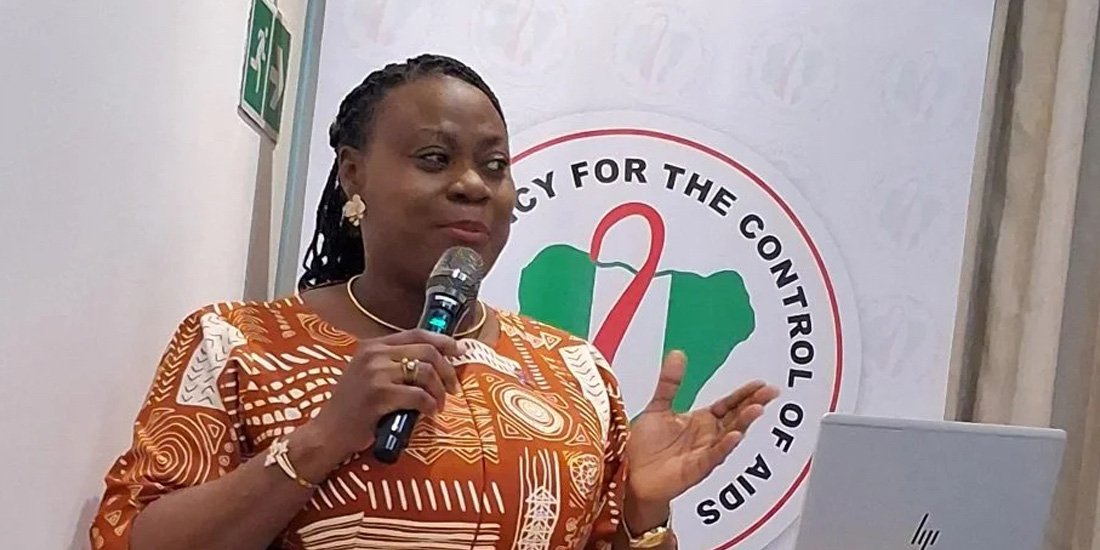
Deaths from AIDS in Nigeria have fallen by 60 per cent and new HIV infections by more than half since 2010, the National Agency for the Control of AIDS (NACA) has said.
NACA Director General Dr Temitope Ilori gave the figures in Abuja at a briefing for World AIDS Day 2026, themed “Ending AIDS Starts with Access: Equity, Ownership and Sustainability.”
She said annual deaths dropped from 80,000 in 2010 to 32,000 in 2025, while new infections fell from 130,000 to 64,000 over the same period. National prevalence has declined from a peak of 5.8 per cent in 2001 to 1.3 per cent in 2025.
Measured against the UNAIDS targets for testing, treatment and viral suppression, 80 per cent of Nigerians living with HIV knew their status in 2025. Of those diagnosed, 98 per cent were on antiretroviral therapy, and 94 per cent of those on treatment had an undetectable viral load.
Early diagnosis among infants exposed to HIV rose more than fourfold, from 15 per cent in 2022 to 66 per cent in 2025, after services to prevent transmission from mother to child were stepped up.
Ilori said the national response rests on three pillars. Equity means no Nigerian should be denied care because of identity, location or income, backed by enforcement of the law against HIV discrimination. Ownership means communities, traditional institutions and networks of people living with HIV help design programmes. Sustainability means steady domestic funding and folding HIV services into primary healthcare, the Basic Health Care Provision Fund and national health insurance.
She warned against complacency, noting that one in five people living with HIV still do not know their status and 34 per cent of exposed infants have not been tested early. To close these gaps by 2030, NACA will expand testing led by communities, including HIV self testing. “Ending AIDS starts with access,” she said.
Dr Patrick Dakum, Chief Executive of the Institute of Human Virology Nigeria, who was represented at the event, called for stronger community ownership, sustained domestic commitment and resilient health systems.
In his World AIDS Day message, WHO Regional Director for Africa, Dr Mohamed Janabi, said about 26.3 million people in the region were living with HIV in 2026, but only 21.7 million were receiving treatment, leaving roughly 4.6 million without it.
He praised Africa’s progress but listed persistent barriers, including long distances to clinics, transport costs, drug stockouts, stigma, punitive laws and gender inequality. He urged governments to keep investing, make new prevention tools affordable and keep people living with HIV at the centre of decisions. “Scientific breakthroughs only translate into healthier lives when they reach the people they are designed to serve,” he said.