
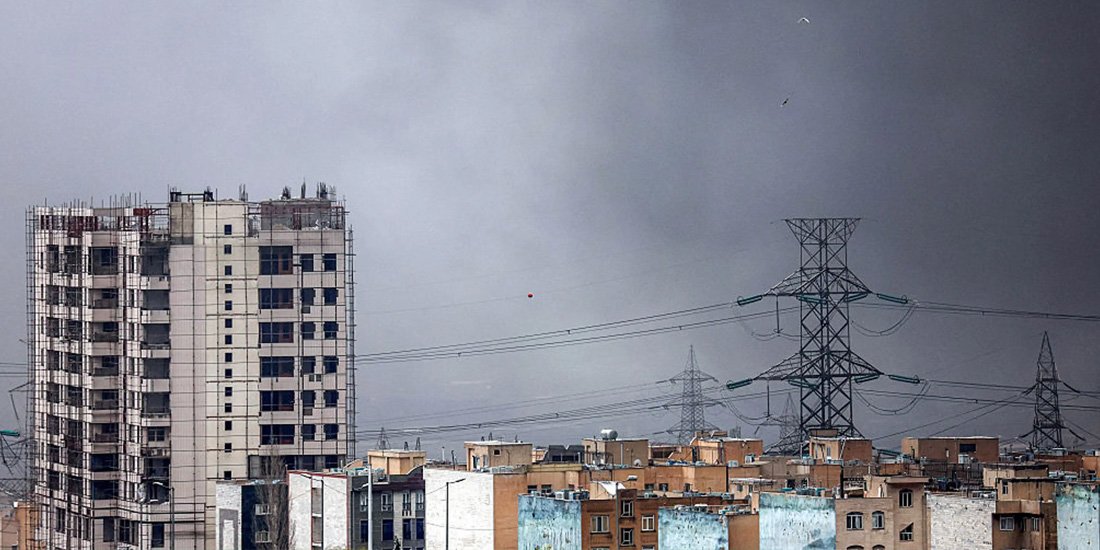
Iran will begin implementing rolling electricity outages from Sunday as damage to critical energy infrastructure during the Middle East conflict worsens the country’s already fragile power supply situation.
State media reported that the restrictions were announced by Mohammad Allahdad, head of Iran’s national electricity company, who said the sector had been left with little choice due to mounting fuel supply challenges.
“Given the country’s fuel supply conditions, the electricity sector will be forced to impose distribution restrictions from Sunday,” Allahdad told state television on Saturday.
Under the new measures, residents can expect power cuts lasting about two hours every two days, although some areas may experience outages of up to two hours daily, depending on local conditions.
Iran has previously introduced similar electricity rationing measures in response to fuel shortages affecting power generation facilities. However, officials say the latest crisis has been intensified by recent attacks on key energy infrastructure.
Earlier on Saturday, President Masoud Pezeshkian said strikes by the United States and Israel on Iran’s energy installations had compounded existing challenges and raised concerns about energy availability during the winter months.
“The attack on the country’s gas infrastructure has aggravated the situation, and we should therefore expect difficulties this winter,” the president was quoted as saying by the ISNA news agency.
Despite holding some of the world’s largest oil and natural gas reserves, Iran has long faced difficulties meeting rising domestic energy demand. Analysts have attributed the problem to a combination of ageing infrastructure, underinvestment and the impact of decades of Western sanctions on the country’s energy sector.
The nation’s electricity grid has come under increasing strain in recent years, leading to recurring blackouts that have disrupted businesses and daily life. During periods of severe weather and fuel shortages, authorities have been forced to close government offices, reduce public services and implement emergency energy-saving measures.
The latest rationing programme is expected to place additional pressure on households and industries as Iran prepares for increased energy consumption during the winter season. Officials have urged citizens to conserve electricity and fuel as the government seeks to manage supplies amid heightened regional tensions and ongoing infrastructure challenges.