
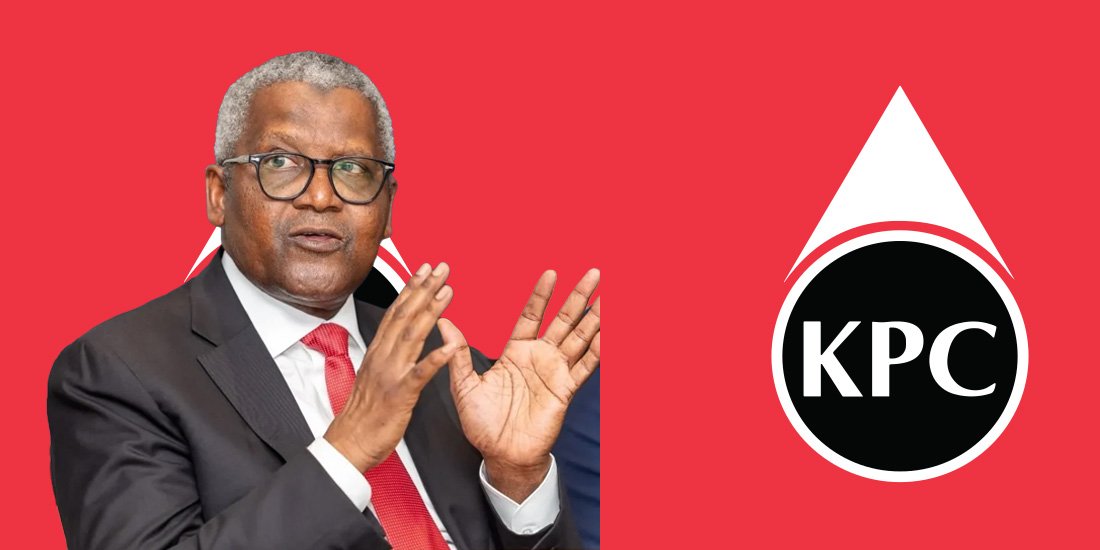
Aliko Dangote has expanded his East African energy footprint with the acquisition of a 25 per cent stake in Kenya Pipeline Company in a transaction valued at about $327.4 million.
Dangote disclosed the deal at the Financial Times Africa Summit in London, saying the investment strengthened his group’s position in the distribution of petroleum products across Kenya and neighboring markets.
Kenya Pipeline operates a network of roughly 1,300 kilometers connecting coastal import infrastructure to inland consumption centers and regional markets, including Uganda, Rwanda, South Sudan and the Democratic Republic of Congo.
The acquisition comes as Dangote advances plans for a $16 billion to $17 billion, 700,000-barrel-per-day refinery in Lamu. The project, which broke ground on September 30, is expected to be completed around 2030 and will include petrochemical, fertilizer, and power-generation facilities.
Dangote said distribution infrastructure would be central to his regional strategy, with additional storage projects planned in Namibia, Djibouti and Cameroon. In Namibia, the group is planning a 330 million-litre tank farm at Walvis Bay.
He also rejected the view that oil refining was becoming obsolete because of the global energy transition, arguing that petroleum products would remain essential to aviation, transport and industry for years to come.
Dangote further defended industrial protection measures, saying African economies needed policies that supported domestic production and reduced over dependence on imports. He argued that without deliberate protection of local industry, the continent risked exporting jobs and importing poverty.
The businessman said his group planned to invest about $50 billion by 2030 and was targeting annual revenues of $100 billion by that date.
Meanwhile, construction preparations for the Lamu refinery have continued, with a second vessel delivering heavy equipment to Lamu Port. The latest shipment reportedly carried 154 pieces of construction equipment from China, following an earlier delivery in September.
Port authorities said the refinery project was already increasing maritime activity and was expected to generate further shipping, logistics and employment opportunities as construction progresses.