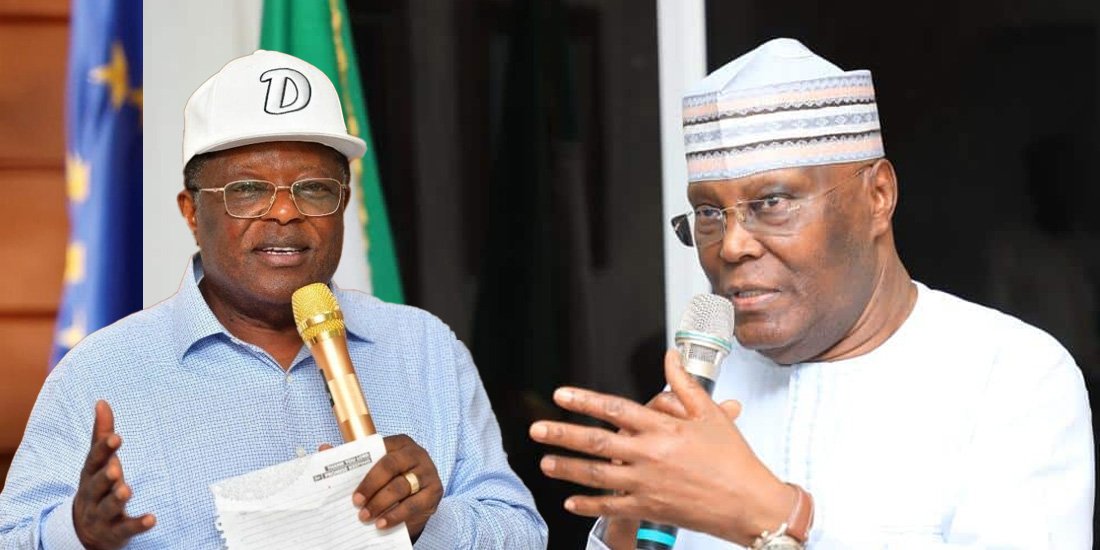
Minister of Works David Umahi has rejected suggestions that the Lagos Calabar Coastal Highway has been abandoned, saying construction and design work are continuing despite changes to parts of the planned alignment. Speaking after a meeting with President Bola Tinubu in Abuja, Umahi maintained that the 750-kilometer highway remained a government priority. He said engineers and surveyors were working on sections through Edo, Delta, Bayelsa and Rivers states, while construction continued elsewhere along the corridor.
The minister also disclosed a proposal to incorporate approximately 400 kilometers of the existing East West Road into the wider coastal transport network. He said the plan was intended to improve connectivity and address flooding on sections of the road serving Niger Delta communities.
According to Umahi, engineering investigations on parts of the Ogun and Ondo alignment revealed difficult terrain, including deep pits and unsuitable materials, making a redesign necessary. He argued that continuing along the original route would have created serious construction challenges and increased costs. He reported progress on several sections, including work in Lagos, Ogun, Ondo, Akwa Ibom and Cross River states, though some of the completion percentages and projected delivery dates relate to individual contracts rather than the entire corridor.
Former Vice President Atiku Abubakar challenged the explanations and demanded publication of the project’s original feasibility studies, environmental assessments, route maps, revised designs and associated financial records. Atiku argued that substantial changes to a major public project should be accompanied by full disclosure of contract variations, bills of quantities, approvals and payments already made to contractors. He also alleged that the administration was considering borrowing as much as $20 billion in connection with the project and questioned whether any such financing would benefit Hitech Construction Company.
The allegation was not substantiated in the supplied material and should not be treated as an established government borrowing plan. The disagreement places two issues at the centre of the debate: whether the redesigned route is justified by engineering evidence and whether Nigerians have sufficient access to the documents needed to evaluate the project’s cost and public value