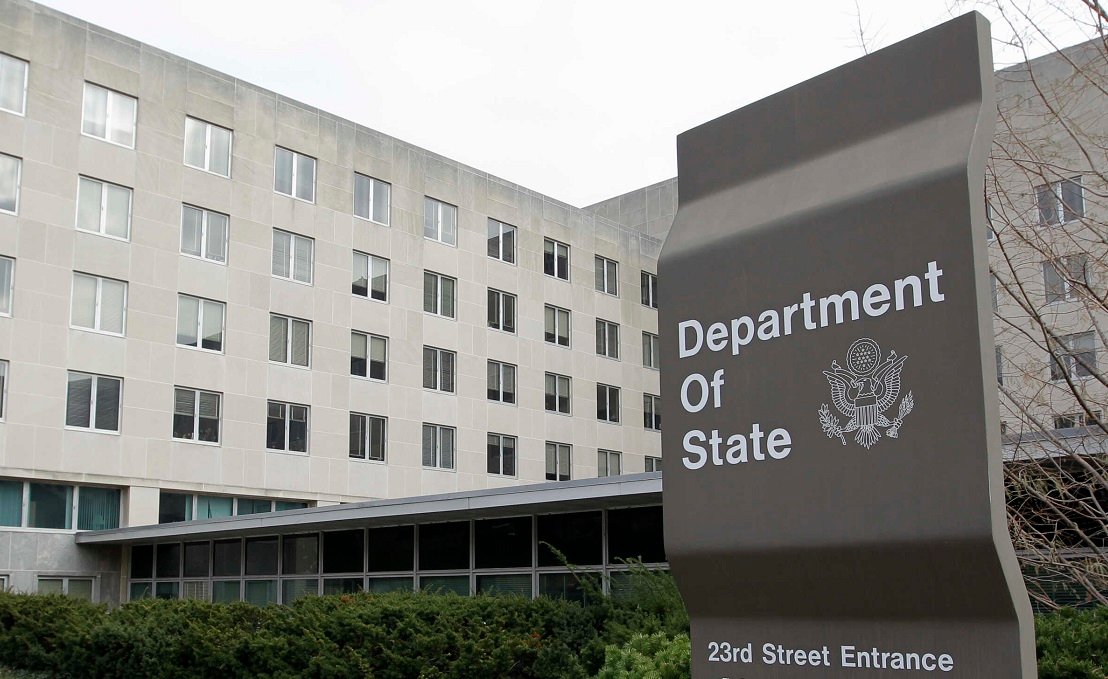
The United States Department of State has identified insecurity, corruption, regulatory uncertainty and slow cargo clearance as major obstacles to investment in Nigeria, even as it acknowledged improvements in some economic indicators following recent reforms.
In its 2026 Investment Climate Statements on Nigeria, as described in the supplied report, the department assessed the effects of fuel subsidy removal and foreign exchange liberalization under President Bola Tinubu. It characterized the reforms as significant but said their implementation had created social and commercial pressures.
Security remained a major concern for prospective investors. The assessment pointed to continuing oil theft in the Niger Delta and the impact of terrorist and armed criminal groups on agriculture and mining in parts of northern Nigeria.
It also cited the 2024 detention of American Binance executive Tigran Gambaryan as a cautionary example of the potential risks foreign executives could face during disputes with regulators. The reference concerned the report’s assessment of investor perceptions rather than a new detention.
On logistics, the document described inefficiencies at established Lagos ports as an additional cost of doing business. It said cargo dwell times at Apapa and Tin Can Island could exceed 20 days, while noting that the Lekki Deep Seaport handled an estimated $9.6 billion in trade during 2025 at about half its capacity.
The report referred to the National Single Window initiative launched in March 2026, which aims to integrate trade related agencies and reduce paperwork and cargo delays. It also highlighted the Nigerian Investment Promotion Commission’s One Stop Investment Centre as an effort to simplify interactions with government agencies.
Although capital inflows reportedly reached $21 billion by October 2025, the department cautioned that a large share consisted of portfolio investment rather than long term foreign direct investment. It cited United States investment stock in Nigeria of $7.9 billion at the end of 2024 and bilateral trade of $14.8 billion in 2025.
The assessment also described the burden of higher fuel prices on households and cited a World Bank poverty estimate for 2025. It noted that inflation figures had declined under a rebased statistical series, while warning that regulatory implementation remained uneven and corruption continued to impede business activity.
The overall message was that macroeconomic stabilisation alone would not secure durable investment unless Nigeria also improved safety, predictable regulation, infrastructure and administrative efficiency.