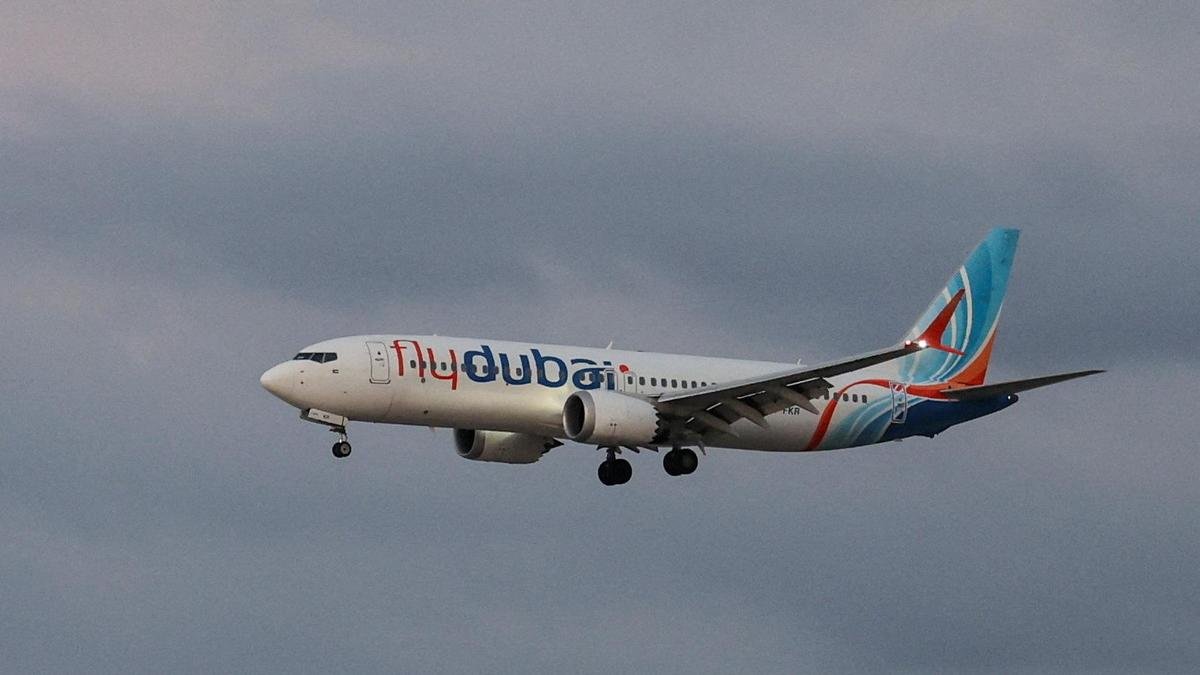
A co-pilot accused of attacking the captain of a FlyDubai flight with an ax and attempting to seize control of an Israel-bound aircraft had reportedly been flagged over concerns about extremist views and was previously barred from flying for Oman’s national airline, according to officials familiar with the case.
The co-pilot, identified as Hamam al-Hammami, an Omani national, allegedly launched the attack during a FlyDubai flight carrying 182 passengers. According to officials, the incident occurred on Wednesday and nearly resulted in a catastrophic crash before passengers and crew members intervened and subdued him.
Authorities in the United Arab Emirates, which is leading the investigation, have described the incident as a terrorist attack. Investigators said the co-pilot used the cockpit’s emergency crash ax to assault the captain and attempted to take control of the aircraft as it descended, creating a dangerous situation for everyone on board.
Three individuals with knowledge of the investigation, including a Gulf diplomat and a Western diplomat, disclosed that al-Hammami had previously been prevented from flying with Oman’s national carrier because of concerns linked to extremist beliefs. The sources spoke on condition of anonymity, citing restrictions on discussing the ongoing investigation.
The latest revelations have raised questions about FlyDubai’s employee screening and vetting procedures, particularly how a pilot previously flagged over security concerns was able to secure a position with the airline.
The incident has also prompted scrutiny of Israel’s aviation security arrangements. Israel is known for maintaining some of the world’s strictest airline security protocols and has agreements with foreign carriers regarding crew members operating flights into the country. Israeli officials have stated in the past that pilots from countries that do not have diplomatic relations with Israel are generally restricted from operating such flights.
Oman and Israel do not maintain formal diplomatic relations, adding another layer of concern surrounding the co-pilot’s assignment to the flight.
Security analysts note that the case could have implications for regional aviation oversight and intelligence-sharing mechanisms among airlines and governments in the Middle East.
The incident comes at a particularly sensitive period for Israel, occurring just days before the anniversary of the October 7, 2023 Hamas-led attack that triggered the ongoing war in Gaza. Security issues continue to dominate public debate in Israel and remain a key issue ahead of upcoming national elections, where scrutiny of security preparedness and intelligence failures has intensified.
Investigations by UAE authorities are ongoing as officials seek to determine the full motives behind the alleged attack, how the suspect passed airline screening processes, and whether any broader security lapses contributed to the incident. No passengers were reported killed, and the aircraft was ultimately brought under control after the co-pilot was restrained.