The World Health Organization has warned that non-communicable diseases are accounting for a growing share of deaths in Africa and says patient safety must become a central part of long-term treatment for chronic conditions.
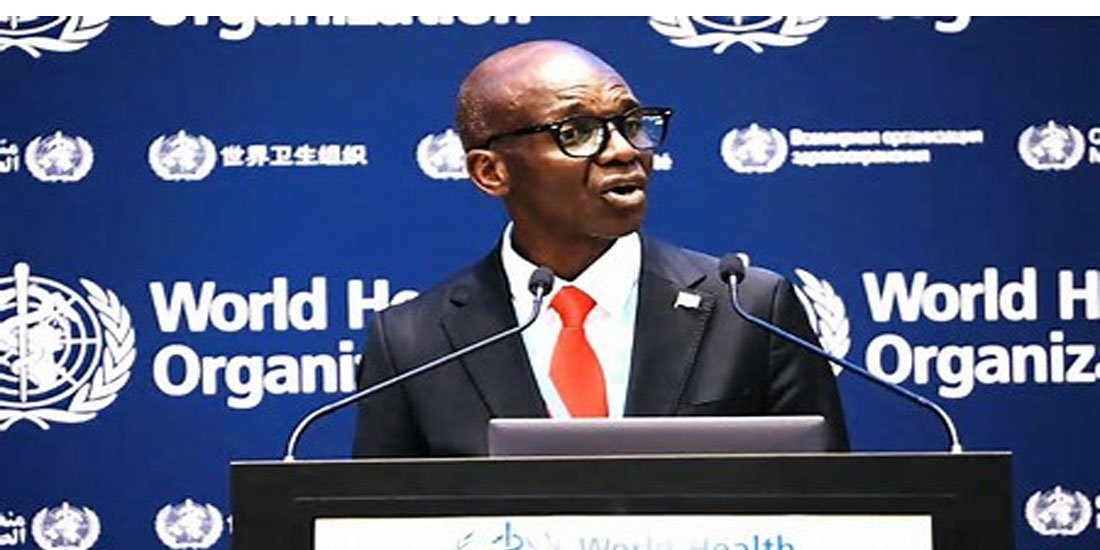
WHO Regional Director for Africa Mohammed Janabi made the call in a message marking World Patient Safety Day 2026.
The event is being observed under the theme “Safe Care for Noncommunicable Diseases.”
Janabi said people living with diabetes, cancer, heart disease and chronic respiratory conditions often move through years of consultations, tests, prescriptions and referrals.
Each stage, he said, creates opportunities for treatment but also risks of avoidable harm.
WHO said non-communicable diseases caused at least 43 million deaths globally in 2021.
In the African Region, they accounted for 37 per cent of all deaths in 2019, up from 24 per cent in 2000.
The agency said nearly two-thirds of NCD deaths in the region occurred prematurely, compared with a lower global proportion.
Janabi said patients could be harmed through delayed diagnosis, medication errors, adverse drug interactions, weak follow-up and poor communication between healthcare providers.
Risks could arise during diagnosis, treatment, rehabilitation, palliative care and self-management.
The WHO official said expanding access to NCD treatment needed to be accompanied by improvements in quality and safety.
He called for stronger primary healthcare systems capable of providing continuity, early detection and better coordination between different levels of care.
WHO said health workers also needed practical guidance, reliable medical supplies and reporting systems that allowed errors to be identified and used for improvement without creating a culture of blame.
Countries across Africa are expanding integrated NCD services through WHO’s PEN model at primary-care level and PEN-Plus at first-level referral hospitals.
Janabi also urged governments and health systems to treat patients and families as partners because they often identify breakdowns in care that institutions overlook.
He called for patient-safety standards to be embedded in NCD policies, alongside better staff training, supervision and safe use of medicines and technologies.
WHO said its broader objective was to ensure that people receiving long-term care were protected from avoidable harm throughout their treatment journey.