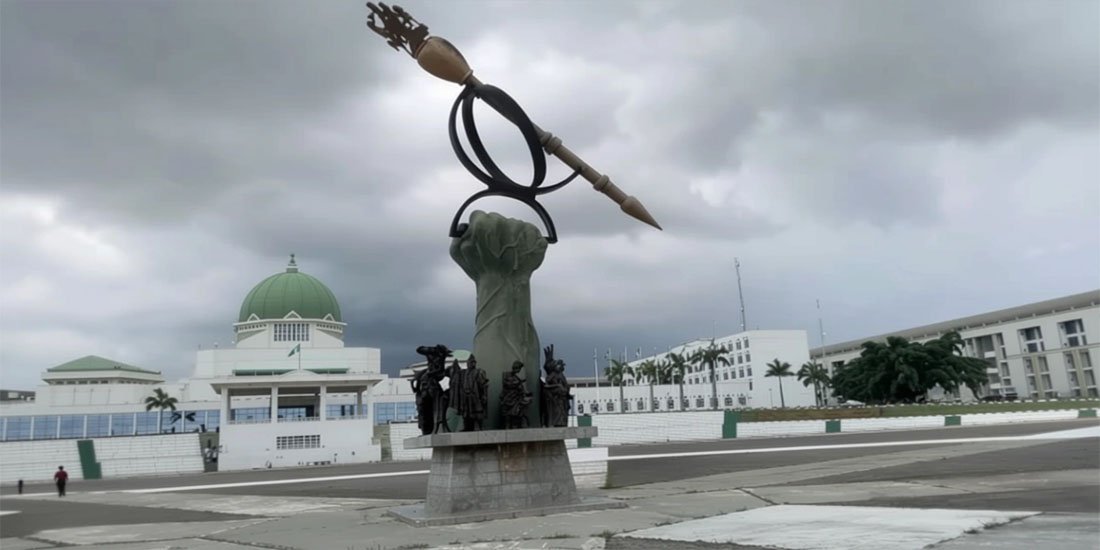
Nigeria’s National Assembly has suspended all official visits to South Africa and directed lawmakers, committees, and staff to boycott all legislative activities organized by South African authorities following the recent killings of two Nigerians in Johannesburg and persistent xenophobic violence against foreign nationals.
The decision, communicated via a statement by Clerk to the National Assembly Kamoru Ogunlana following high-level consultations between the Senate and House of Representatives leadership, takes effect immediately and will remain in force until further notice. Under the resolution, Nigerian parliamentary representatives are barred from both physical and virtual participation in conferences, seminars, workshops, and legislative exchanges hosted by South African counterparts. The National Assembly has also encouraged state Houses of Assembly across Nigeria to consider adopting similar boycott measures.
The legislative backlash was triggered by separate fatal incidents in Johannesburg earlier this month. Bishop Michael Taiwo Fakunle was reportedly shot dead at his residence on September 4 after receiving prior threats, while James Uchechukwu Nwankwo died the following day following an encounter with officers of the South African Police Service. Details surrounding the incidents were disclosed by former Aviation Minister and ambassador-designate to South Africa, Femi Fani-Kayode, who alleged that Nwankwo died as a result of severe interrogation methods used by local law enforcement.
According to figures cited by Fani-Kayode, these latest fatalities bring the total number of Nigerians killed in South Africa this year to eight—half of whom allegedly died at the hands of local police—while pushing the total body count since 2022 above 100 without resulting in significant convictions. Concerns have further heightened over an alleged September 30 deadline issued by certain South African groups demanding that foreign African nationals leave the country under threat of violence.
While federal lawmakers emphasized that the boycott is not meant to undermine longstanding diplomatic or historical ties between the two nations, they described the action as a necessary stand for the safety, dignity, and livelihoods of Nigerians living abroad. The National Assembly is demanding urgent action from the South African government to thoroughly investigate the killings, prosecute those culpable, and guarantee protection for foreign nationals, as federal authorities in Abuja continue to monitor the situation and weigh possible evacuation measures.