The Federal Government has announced new measures to reduce air pollution, including a national framework for vehicle and generator emissions testing, expanded air-quality monitoring and faster adoption of cleaner fuels.
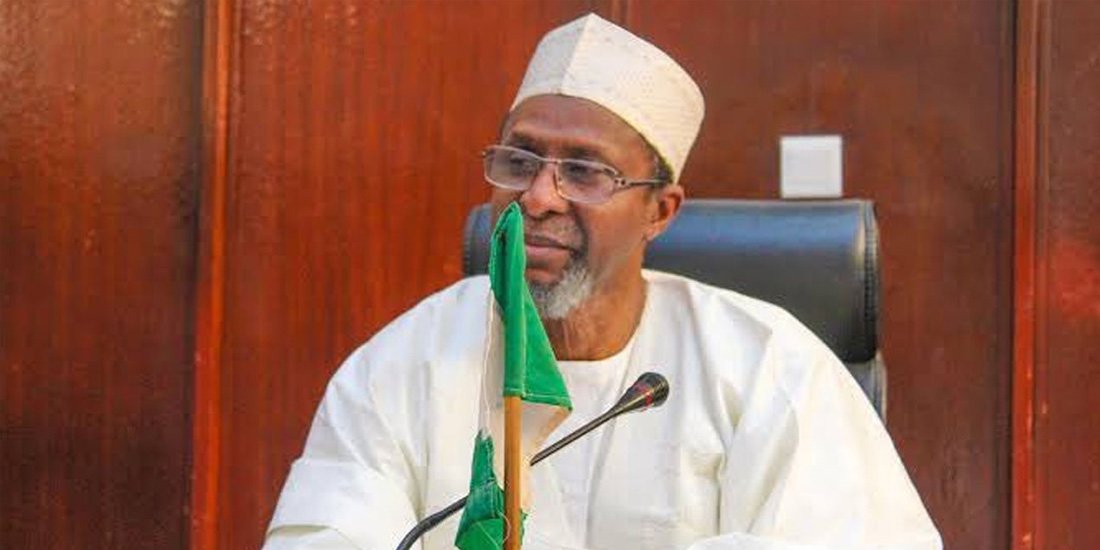
Environment Minister Balarabe Lawal disclosed the measures at the 2026 International Day of Clean Air for Blue Skies event in Abuja.
Represented by Permanent Secretary Salihu Aminu Usman, the minister said Nigeria’s rapid urbanization, transport growth, industrial activity, energy demand and continued dependence on polluting fuels had made air quality an increasingly serious public-health problem.
He cited the 2025 World Air Quality Report, which ranked Nigeria as the third most polluted country in Africa with an average annual PM2.5 concentration of 23.4 micrograms per cubic meter, about 4.8 times the World Health Organization annual guideline.
Lawal said the ministry was developing national minimum standards for states that establish vehicle and generator emissions-testing centers.
He also linked the transition to compressed natural gas in transportation to wider efforts to lower urban emissions.
Indoor pollution is another priority. The government plans to implement the National Clean Cooking Policy with the objective of universal access to cleaner cooking energy by 2030.
The ministry has established air-quality monitoring stations in Port Harcourt, Kano and Lagos and is developing a mobile application to provide real-time Air Quality Index information.
Environmental health expert Benjamin Suleiman warned that prolonged exposure to polluted air could cause serious health damage, particularly among children and people who live or work near heavy traffic and industrial emissions.
He said research and public-health surveys showed that many Nigerians remained unaware of the risks associated with chronic exposure.
The government said the next phase of its clean-air strategy would combine regulation, monitoring, cleaner energy, public awareness and greater involvement of young people and communities.