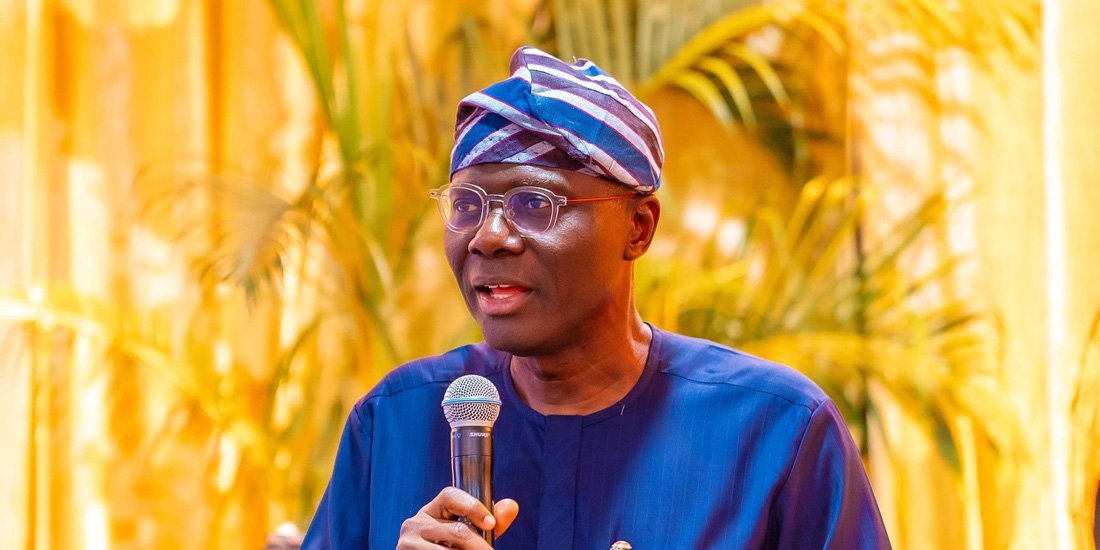
Lagos State Governor Babajide Sanwo-Olu has dismissed proposals by opposition politicians to restore petrol subsidy after the 2027 election, describing the idea as fiscally unrealistic and politically convenient.
Speaking at the seventh Freedom Online Newspaper Lecture in Lagos, Sanwo-Olu argued that the subsidy regime had become too expensive to sustain and had diverted public resources from infrastructure, education, healthcare and other essential services.
The lecture, themed “2027 Elections, Economy, Security and Nigeria’s Future,” examined the state of the economy, democratic development and national security ahead of the next general election.
Sanwo-Olu said subsidy removal was painful and had increased transport and living costs for Nigerians, but maintained that the reform had begun to improve public finances and macroeconomic stability.
He acknowledged that citizens had felt the impact directly through higher fuel prices, food costs and general inflation.
The governor argued, however, that the test of the reform should be whether it eventually stabilized the economy and created room for stronger public investment.
He said monthly allocations to states and local governments had increased significantly since subsidy removal, giving subnational governments more resources for infrastructure and social programs.
Sanwo-Olu accused opposition figures of returning to subsidy promises because of the political appeal of cheaper fuel ahead of the 2027 election.
His remarks were particularly directed at former Vice President Atiku Abubakar and other opposition politicians who have proposed forms of targeted intervention in the petroleum market.
Those competing positions remain part of the wider policy debate over whether government should intervene directly in fuel pricing and, if so, how such intervention should be structured and financed.
Sanwo-Olu also cited stronger foreign reserves, a trade surplus, easing inflation, exchange-rate stability and improving sovereign credit assessments as evidence that the Tinubu administration’s reforms were beginning to produce results.
He said Nigeria’s external reserves had reached about $53 billion and highlighted recent remittance figures as another sign of improving foreign-exchange inflows.
The governor also discussed electoral reform, saying Nigeria’s democratic system had evolved significantly since 1999.
He cited the Electoral Acts of 2022 and 2026 and the expanded use of technology in voter verification and results management.
Sanwo-Olu said the Independent National Electoral Commission needed to be fully prepared for the January 16 and February 6, 2027 elections.
On security, he said the federal government had expanded military capacity, strengthened police training and introduced new structures such as Forest Guards and Mining Marshals.
He also argued that job creation, education financing, consumer credit and digital-skills programs were important parts of a longer-term strategy for reducing insecurity.
Former Information Minister Lai Mohammed said political stability depended on economic inclusion and security, while Freedom Online Editor-in-Chief Gabriel Akinadewo called for stronger laws and institutions capable of protecting citizens’ rights and supporting national development.