Nigeria has called on the African Union to develop more predictable and innovative financing mechanisms for peace and security operations as the continent seeks to reduce dependence on external donors.
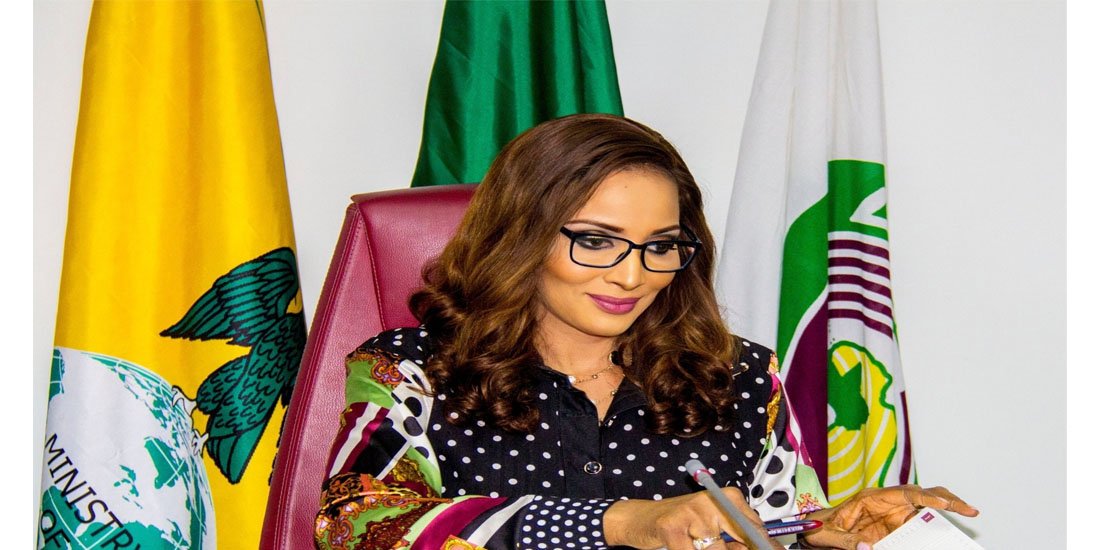
Foreign Affairs Minister Bianca Odumegwu Ojukwu made the proposal at the 26th Extraordinary Session of the AU Executive Council in Luanda, Angola.
The meeting focused on strengthening mechanisms for conflict prevention and resolution.
Odumegwu Ojukwu said African countries had made progress in capitalizing the AU Peace Fund.
Member states have contributed about $350.2 million, representing approximately 87.5 per cent of the original $400 million target.
The Fund’s balance has surpassed $405 million, while around $39 million has been disbursed for mediation, preventive diplomacy, peace support operations and related interventions.
The minister urged member states to pay assessed contributions and, where possible, make additional voluntary payments.
She said financing peace and security should be treated as an investment in African sovereignty rather than merely a budget obligation.
Odumegwu Ojukwu warned that African led peace operations could not operate effectively if funding for personnel, logistics and equipment remained unpredictable.
She called for a gradual shift toward greater African financial self reliance.
The minister said external support should complement African ownership rather than replace it.
Nigeria also supported continued capitalization of the Peace Fund toward a $1 billion target.
Odumegwu Ojukwu called for stronger mobilization of capital from African financial institutions, the private sector and strategic partners.
She also urged full implementation of the 0.2 per cent levy provided for under the Kigali Financing Decision.
Among the ideas proposed was the voluntary allocation of strategically located land by member states for development by private companies and African multilateral financial institutions.
Under such arrangements, the AU could potentially earn long term royalties while encouraging investment and infrastructure development.
The minister said any new financing mechanism would require transparency, accountability and strong oversight.
Nigeria argued that Africa already had institutions and financial capacity capable of supporting more of its own peace architecture.
The central challenge, according to the minister, was generating the political will to convert those resources into predictable funding.
She said sustainable African financing would strengthen the credibility of continental peace operations and reduce vulnerability to changing external donor priorities.