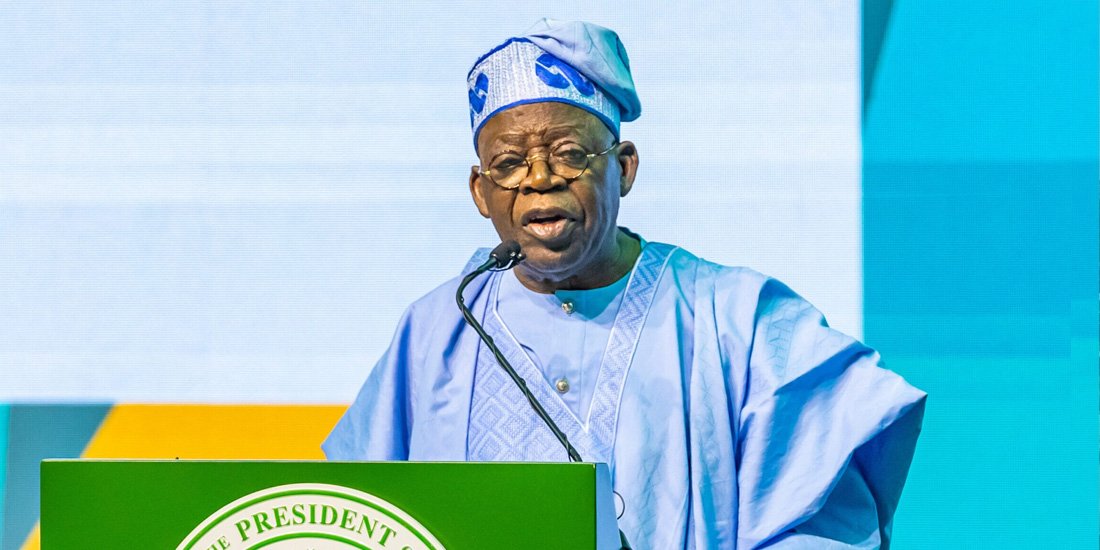
President Bola Tinubu has directed a comprehensive reform of Nigerian football following a series of failures by the country’s national teams to qualify for major regional, continental and global competitions.
The President said the reform should address longstanding weaknesses in the administration and governance of football, while improving stakeholder representation, development pathways, domestic competitions and accountability across the sector.
According to Tinubu, football remains Nigeria’s most popular sport and has received significant public support, investment and national attention, yet the country has continued to struggle because of structural deficiencies within the system.
“Football, Nigeria’s most popular sport and the greatest beneficiary of public support, investment and national attention, has continued to struggle basically due to structural deficits within the system,” the President said.
Tinubu noted that other sports had recorded progress following the reset of the sports sector under the re-established National Sports Commission, but said football required urgent institutional reforms to translate Nigeria’s abundance of talent and resources into sustained success.
He stressed the need for stronger institutions capable of matching the country’s footballing potential with improved performance at domestic and international levels.
The President directed the Chairman of the National Sports Commission to work with the Nigeria Football Federation (NFF) Secretariat and other relevant stakeholders to ensure continuity in essential football administration while facilitating a broad and consultative reform process.
The process, he said, should include appropriate consultations with the Fédération Internationale de Football Association (FIFA) and the Confederation of African Football (CAF), while ensuring that Nigeria continues to meet its obligations under the international football framework.
Tinubu urged football stakeholders and Nigerians to support the transition and work collectively towards building a stronger, more transparent, accountable and successful football administration.
The directive comes amid growing concerns over the performance and administration of Nigerian football, following recent setbacks suffered by the country’s national teams.