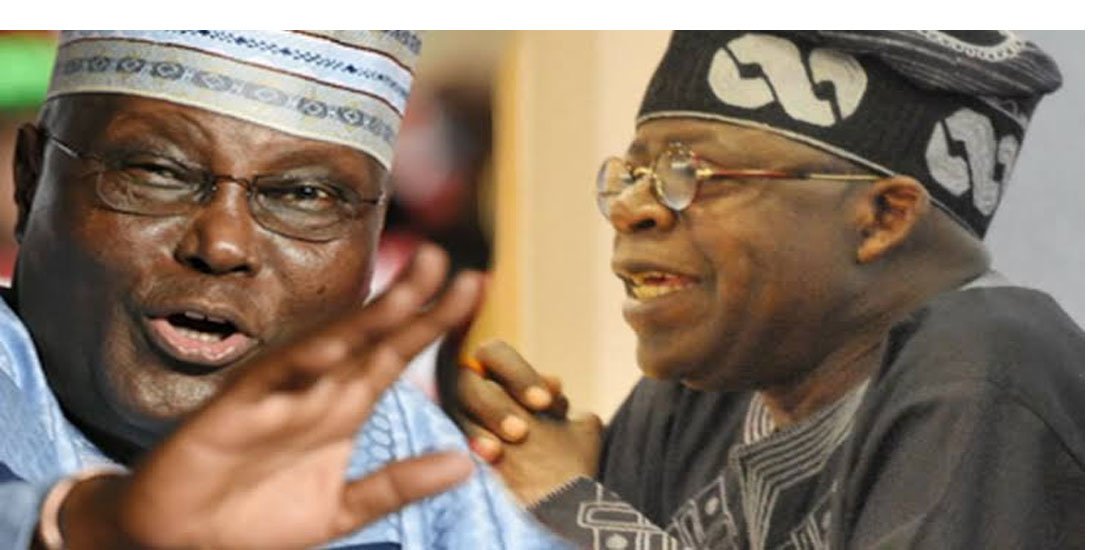
African Democratic Congress presidential candidate Atiku Abubakar has challenged the Federal Government to investigate and prosecute him if it possesses evidence of wrongdoing connected with the long disputed power sector spending associated with previous administrations.
Atiku said old allegations about privatization and power projects should not be repeatedly revived without formal investigation or prosecution.
He argued that the claims were being used to divert attention from his questions about revenue generated after removal of the petrol subsidy.
In a statement by his public communication aide Phrank Shaibu, Atiku said he had chaired the National Council on Privatization while Vice President but had not presided over implementation of the power project in question.
He said he had been out of office since 2007 and remained willing to answer any credible allegation through due legal process.
Atiku again challenged the government to explain how savings from subsidy removal were being used.
He argued that households had borne substantial increases in transport, food and other living costs while government revenue had risen.
Those assertions form part of his opposition campaign and should be understood as political claims rather than independently established findings.
The Presidency responded by renewing criticism of Atiku’s petrol subsidy position.
Presidential adviser Bayo Onanuga said different explanations from Atiku and his aides over the previous week had created uncertainty about what the candidate actually proposed.
The Presidency cited comments suggesting a temporary subsidy, a later clarification describing a targeted intervention and Atiku’s own subsequent defence of targeted support.
It argued that the policy required clearer costing, beneficiary rules, funding sources and exit conditions.
The Presidency also said petrol prices were influenced by crude prices, exchange rates, refining costs, logistics and taxes and could not be isolated from wider market conditions.
It rejected the idea that petrol prices alone explained Nigeria’s cost of living pressures.
The statement pointed to agricultural productivity, insecurity, storage, flooding, exchange rates and supply constraints as additional drivers of food prices.
Atiku’s camp, however, has argued that its proposal would focus on domestic refining and affordability rather than restoring the former import based subsidy regime.
The exchange highlights one of the clearest emerging policy disputes of the 2027 presidential campaign: whether government should provide targeted support to lower petrol prices or allow the market to determine prices while using fiscal savings elsewhere.