The United States has imposed sweeping new sanctions on Iran, targeting military procurement networks, petroleum and petrochemical traders, shadow fleet operators and other entities accused of helping Tehran generate revenue and sustain its military activities.
The measures, announced by the US Departments of State and the Treasury, were introduced under what Washington described as “Operation Economic Outcast”, a broader campaign aimed at cutting Iran off from international financial and commercial networks.
The latest sanctions target nearly 60 individuals, companies and vessels involved in Iran’s military activities, procurement networks, cyber operations and petroleum and petrochemical trade.
According to the US government, the measures are intended to restrict revenue streams used by the Iranian government to support military capabilities, attack neighbouring countries and fund terrorism.
The sanctions also extend to companies and intermediaries in third countries accused of facilitating the purchase, transportation and sale of Iranian petroleum and petrochemical products.
Among those targeted are India-based companies accused of importing Iranian petroleum products, Turkish firms involved in petrochemical trading, a Hong Kong-based company allegedly operating a tanker carrying Iranian crude and an India-based customs broker.
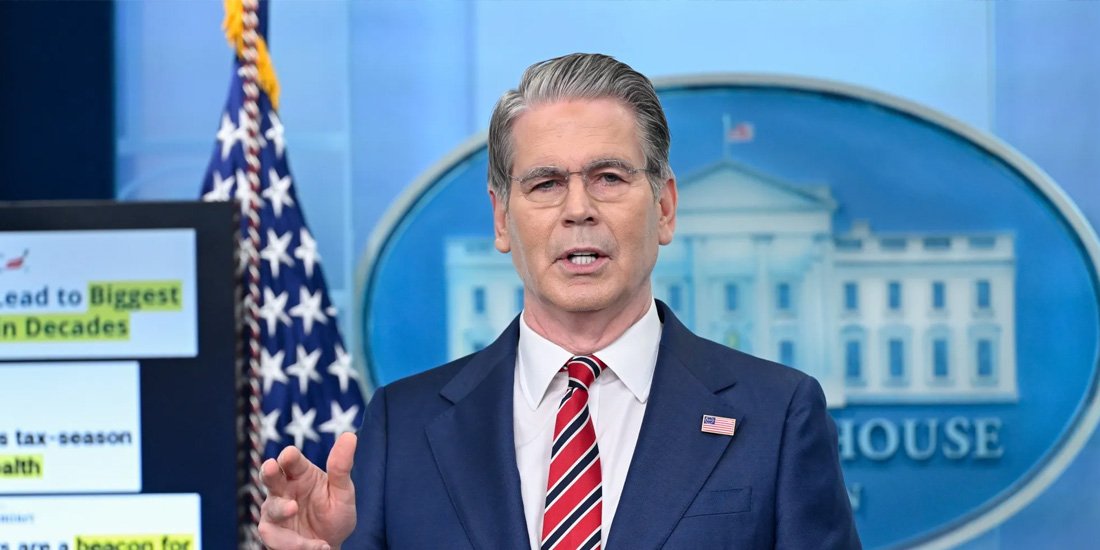
US Treasury Secretary Scott Bessent described the measures as an “economic onslaught” against Iran, saying Washington’s objective was to cut off financial channels supporting the Iranian government.
Bessent warned that companies facilitating Iranian oil transactions and helping convert petroleum revenues into funds for Tehran could face further sanctions.
He also said President Donald Trump had been contacting world leaders and urging them to halt economic dealings with Iran.
The announcement has raised concerns over potential tensions with China, Iran’s largest trading partner and a major purchaser of Iranian oil. Beijing has consistently opposed unilateral sanctions and has called for diplomatic efforts to resolve disputes involving Tehran.
Bessent, however, declined to disclose which countries could face further penalties or when such measures might be imposed, saying affected parties would be given an opportunity to comply.
“We are giving everyone the opportunity to remedy bad behaviour. Why would I want to blow up the global financial system?” he said at a news conference.
The US also sanctioned several senior Iranian military officials, including Islamic Revolutionary Guard Corps Commander Ahmad Vahidi, Khatam ol Anbia Central Headquarters commander Ali Abdollahi and IRGC Aerospace Force commander Sayyed Hosein Majid Musavi Eftekhari.
Washington accused the officials of directing or supporting Iran’s military programmes, including its ballistic missile and unmanned aerial vehicle capabilities.
The Iranian Islamic Revolutionary Guard Corps Cyber-Electronic Command was also designated, with the US accusing the organisation of obtaining information on American military assets and facilities to support Iranian targeting operations.
Several companies were specifically identified in the sanctions announcement.
India-based Sadashiva Overseas Limited was accused of importing approximately $69 million worth of Iranian-origin petroleum products between February 2024 and June 2025. PP Softtech Private Limited was accused of importing about $25 million worth of Iranian petroleum products between January 2024 and June 2025.
Another Indian company, Prakrutees Infra Impex India Private Limited, was sanctioned over the alleged importation of Iranian petroleum products valued at approximately $25 million between May 2023 and February 2026.
Hong Kong-based Selenium Resources Limited was accused of exporting more than $22.8 million worth of Iranian-origin petrochemical products between January 2023 and September 2024.
Turkey-based Huzur Plastik was also targeted over the alleged importation of Iranian-origin polyethylene valued at about $28 million between June 2022 and May 2024.
Under the sanctions, the property and interests in property of designated individuals and entities located in the United States or controlled by US persons will be blocked.
The restrictions also apply to entities owned directly or indirectly by blocked persons at a 50 per cent or greater level.
US persons are prohibited from conducting transactions involving the sanctioned individuals and entities within the United States or through the US financial system, unless authorised by the Treasury Department’s Office of Foreign Assets Control.
The latest measures represent another escalation of Washington’s economic pressure on Tehran, as the Trump administration seeks to weaken Iran’s military and financial capacity and restrict its access to international markets.