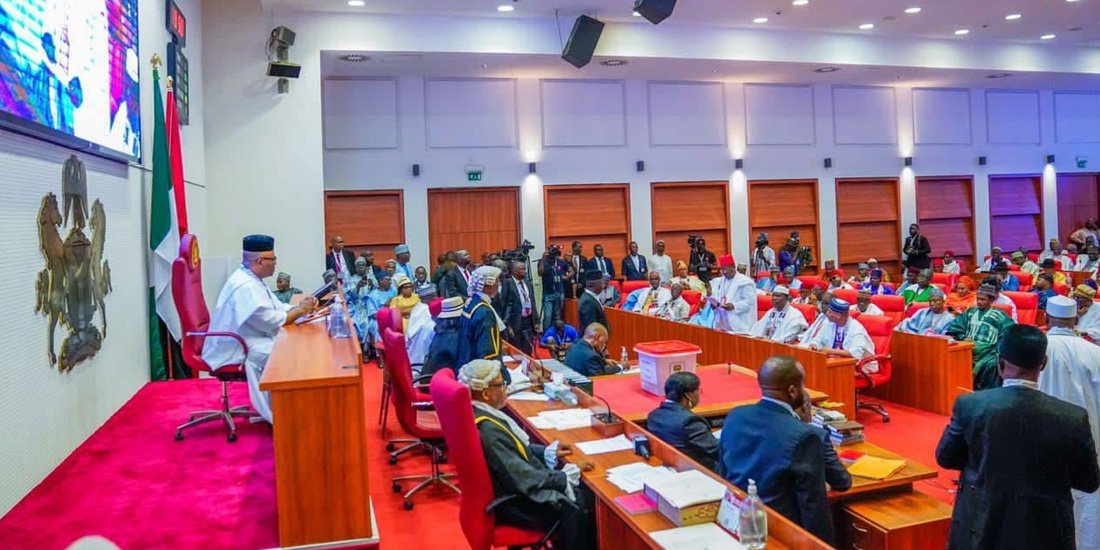
A Senate committee has thrown its weight behind the Nigeria Immigration Service’s move to centralise passport production, calling it a step that will tighten security and choke off the extortion long associated with the old system.
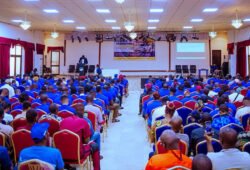
Senator Abdulrahman Kawu Sumaila, who chairs the Senate Committee on Petroleum Resources Downstream and represents Kano Central, led a fact finding delegation to immigration headquarters in Abuja after constituents complained about the relocation of passport production away from Kano and other northern centres. Following a detailed briefing and a tour of the production facility, he said the visit convinced him that many of the complaints stemmed from misunderstanding rather than any real disruption of service.
He credited the reform with moving the country away from a system long dogged by delays, suspicion and corruption toward one built on international best practice, arguing that a document as sensitive as the passport cannot be left exposed to manipulation given Nigeria’s security challenges and porous borders. Centralising production, he said, makes it harder for bad actors to compromise the integrity of Nigerian travel documents, and he pledged the Senate’s full support for the service going forward.
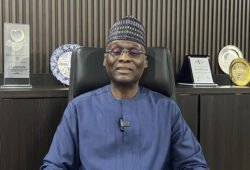
Assistant comptroller general Titilayo Olaiya, who heads the passport directorate, said the reform began in 2024 after the service identified weaknesses in its old decentralised model, and was built specifically to strengthen national security, curb extortion and apply uniform standards nationwide. He said the new system removes the physical handling that once let touts pressure applicants for bribes to speed up their documents, since applications now move automatically into a central production queue once approved. The central facility can currently turn out around 1,000 passports an hour, enough, he said, to supply every office in the country.
Olaiya said the rollout has moved in phases, starting with lower volume locations before reaching busier centres, which is why Kano fell under an earlier phase while high volume offices such as Lagos’s Ikoyi and Festac centres are scheduled later. He rejected any suggestion that the phasing targets northern Nigeria, calling that a misreading of a sequencing decision based purely on production volume. He stressed that no passport office has closed: applicants still visit their local centre for enrolment and biometrics, with only the physical printing now handled centrally before passports are couriered back to the office or directly to the applicant.
Deputy comptroller general Franca Nwanneka, who received the delegation, acknowledged that any change to a long familiar system breeds confusion, and said the service has launched sensitisation campaigns in English, Pidgin and Hausa to keep applicants informed. She said the remaining major migrations, covering Lagos and diplomatic missions in the United States, Canada and the United Kingdom, are expected before year end. The delegation also raised concerns about Nigerians in Saudi Arabia struggling with passport applications, and the service said it operates through the consulate in Jeddah and periodically runs intervention exercises through the embassy in Riyadh to assist citizens there.