The Federal Government has moved to ease tensions with the Catholic Church, reaffirming its respect for the institution and describing faith-based organizations as indispensable partners in national development.
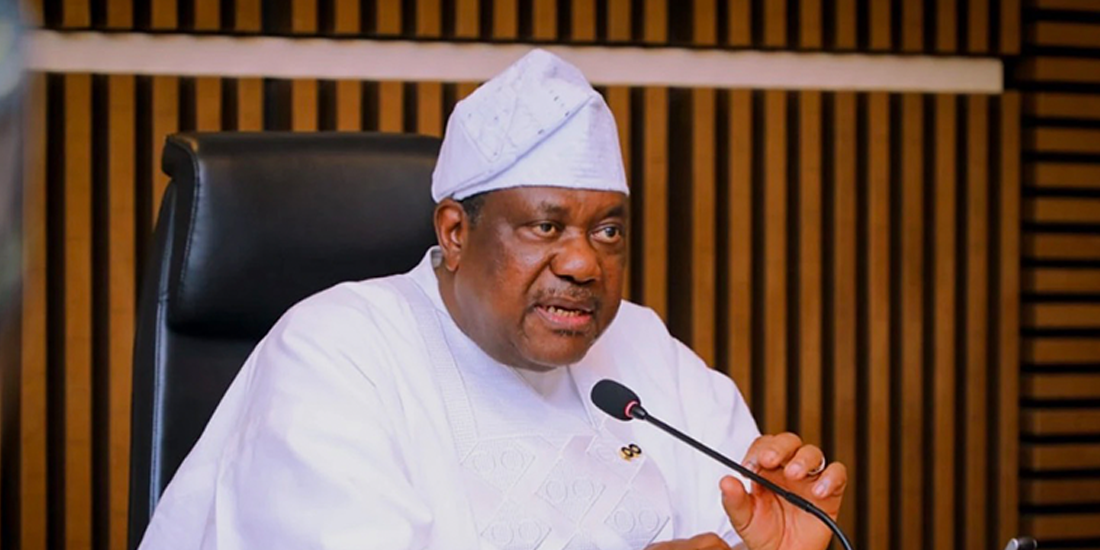
Secretary to the Government of the Federation, Senator George Akume, said President Bola Tinubu remained open to stronger engagement with the Catholic Bishops’ Conference of Nigeria and other religious bodies on insecurity, economic hardship, education, public services and national cohesion.
The statement followed public exchanges between senior government officials and Catholic leaders after the bishops raised concerns about the economy, security, democratic governance and the shrinking political space during a meeting with the President.
Akume said the administration recognized the Church’s longstanding contributions to education, healthcare, humanitarian services, peace-building and moral leadership. He added that constructive engagement with religious institutions was essential because government could not solve Nigeria’s challenges alone.
He described the meeting between Tinubu and the bishops as candid, respectful and productive, stressing that differences in the assessment of national issues should not be interpreted as a breakdown in relations.
On the economy, the SGF acknowledged that Nigerians were facing severe pressure but maintained that the hardship was temporary and resulted from reforms intended to correct longstanding structural distortions.
He said the government was investing in infrastructure, agriculture, power, healthcare and social intervention programs to cushion the impact of the reforms and lay the foundation for sustainable growth.
Akume cited the Lagos-Calabar Coastal Highway, the Sokoto-Badagry Super Highway, rail expansion, nationwide road construction and major upgrades to Abuja’s transport network among the projects expected to stimulate economic activity.
He also highlighted agricultural support through improved inputs, tractors and the National Agricultural Land Development Agency, alongside reforms in the electricity and health sectors.
According to him, the foreign exchange market was becoming more stable, inflationary pressure was moderating and investor confidence was improving. He said the next phase would focus on reducing living costs, creating jobs and improving public services.Akume listed the Nigerian Education Loan Fund, the Nigerian Consumer Credit Corporation, Conditional Cash Transfers and business support programs as measures designed to take the benefits of reform directly to ordinary Nigerians.
On security, he said the government was strengthening intelligence, logistics, recruitment, technology and personnel welfare. He also cited the creation of four new Army divisions and the Office of Homeland Security.
The SGF rejected claims that the administration was promoting a one-party state, insisting that the government remained committed to constitutional democracy, political pluralism and the independence of the Independent National Electoral Commission.