A coalition of leading civil society actors in Nigeria has renewed calls for a people centered transformation of the country, declaring that a new Nigeria built on justice, accountability and inclusion is possible.
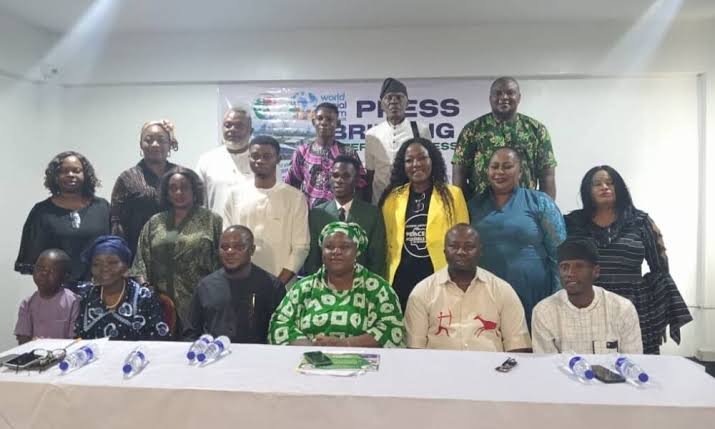
The call came as the Steering Committee of the Nigeria Social Forum and ActionAid Nigeria extended solidarity to the ongoing World Social Forum in Cotonou, Benin, urging activists, social movements and democratic forces worldwide to unite against rising inequality, economic injustice, climate crises and threats to civic freedom. In a statement, the organizations described the Cotonou gathering as a critical moment for citizens and movements to forge stronger alliances and develop practical solutions to challenges confronting millions of people, declaring “Another World Is Possible” in reaffirmation of the historic slogan of the World Social Forum, which since 2001 has served as a global platform for communities, workers, women, young people, indigenous groups and civil society organizations to advance alternatives to what they describe as unjust and exclusionary systems.
The statement, signed by ActionAid Nigeria Country Director Andrew Mamedu, Nigeria Social Forum Chairman Jaye Gaskia and other civil society leaders, said the ideals of the World Social Forum remain relevant as nations struggle with deepening social and economic inequality. The groups warned that Nigeria continues to face a combination of challenges, including widespread unemployment, insecurity, climate related shocks, gender inequality, declining civic space and concerns over accountable governance. “Today, these values are more urgent than ever,” the statement said, stressing that millions of Nigerians continue to experience hardship despite the country’s vast human and natural resources, even as grassroots organizations and social movements have remained resilient in defending human rights, organizing communities and amplifying the voices of vulnerable groups. The coalition argued that the challenges facing workers, women, youth, rural communities and persons living with disabilities are interconnected and require collective action rather than isolated interventions. “When one voice is silenced, democracy grows weaker. When one community is left behind, the nation falls short of its promise. That is why solidarity is not optional; it is necessary,” the statement read.
The coalition urged participants at the Cotonou forum to move beyond discussion by building cross border partnerships capable of influencing policy and driving social change, outlining priorities including strengthening alliances across West Africa and beyond, defending civic freedoms, advancing climate justice and demanding greater transparency and accountability from governments, while also calling on civil society actors to ensure resolutions from the forum translate into concrete action within communities. “We believe that another Nigeria is possible, a Nigeria where public institutions serve the people, where young people can realize their potential, where women participate equally in leadership, and where development leaves no one behind,” the statement said.
The Nigeria Social Forum and ActionAid Nigeria reaffirmed their commitment to the principles of the World Social Forum Charter, including openness, pluralism, non violence, solidarity and participatory democracy. The statement was also endorsed by other Steering Committee members, including Otive Igbuzor, Eze Nwangu, Priscilia Achakpa, Abiola Akiyode Afolabi and Ene Obi. The World Social Forum in Cotonou brought together civil society organizations, activists, social movements and community leaders from across Africa and other regions to deliberate on pathways toward a fairer, more inclusive and sustainable world, with the message from Nigeria’s civil society movement being clear: without justice, inclusion and accountable leadership, development cannot be truly meaningful.