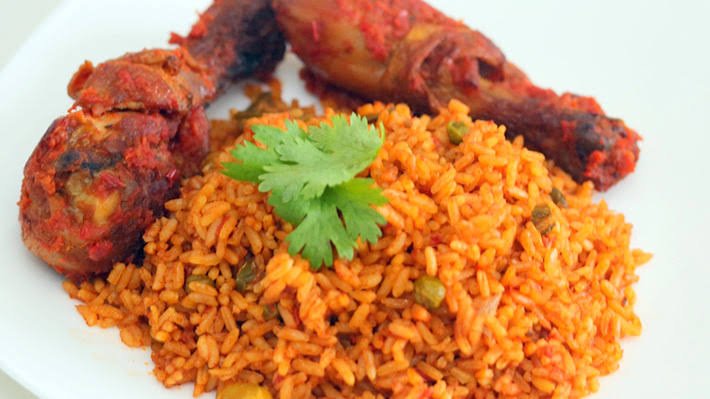
A new report shows the cost of preparing jollof rice, one of Nigeria’s most iconic dishes, has risen by 624 percent over the past ten years, reflecting a deepening food affordability crisis driven by climate change, insecurity and rising transport costs.
According to the SBM Jollof Index for the second quarter of 2026, the national average cost of cooking a standard pot of jollof rice climbed from 25,798 naira in July 2025 to 29,578 naira in June 2026, a 14.6 percent increase within a year. The report introduced a rebased methodology reflecting how Nigerians actually cook today, replacing turkey with chicken as the standard protein to better capture household consumption patterns.
Every region has seen food costs rise more than 400 percent since the index began, with the Southwest recording the steepest increase at 708.2 percent, followed by the North Central at 567.3 percent and other zones ranging between 428 and 490 percent. The report attributed persistent food inflation to insecurity in farming areas, poor logistics, climate related flooding, volatile exchange rates and rising transport and protein costs.
Calabar emerged as Nigeria’s most expensive market for cooking jollof rice at 34,750 naira, while Awka remained the cheapest at 22,050 naira. Lagos recorded the sharpest single year increase nationwide, with prices at the Trade Fair and Balogun markets rising nearly 50 percent, which the report linked to Lagos’ role as an import gateway exposed to shipping costs and currency depreciation, compounded by a fuel price shock linked to tensions around the Iran conflict in March 2026. Bauchi, previously Nigeria’s most inflationary food market, saw prices ease by nearly 17 percent after improved harvests, though they remain well above historical levels.
The report highlighted heavy rainfall as an increasingly powerful driver of food inflation, with flooding and damaged farmland creating shortages of tomatoes and peppers nationwide, pushing consumers toward substitutes such as carrot based sauces, dried pepper, potatoes and cheaper proteins like crayfish, eggs and cow skin. It described these substitutions as survival strategies rather than improvements in household welfare, noting that many families have abandoned bulk buying and now purchase food only as needed.
The report noted that Ghana experienced relatively more stable food prices over the same period, though the dollar cost of cooking jollof rice in both countries has now converged, at about 22.75 dollars in Nigeria compared to 22.17 dollars in Ghana. It concluded that Nigeria’s food inflation is structural and cannot be solved through monetary policy alone, calling for improved security, transport infrastructure, storage facilities and climate adaptation measures to protect the food supply chain.