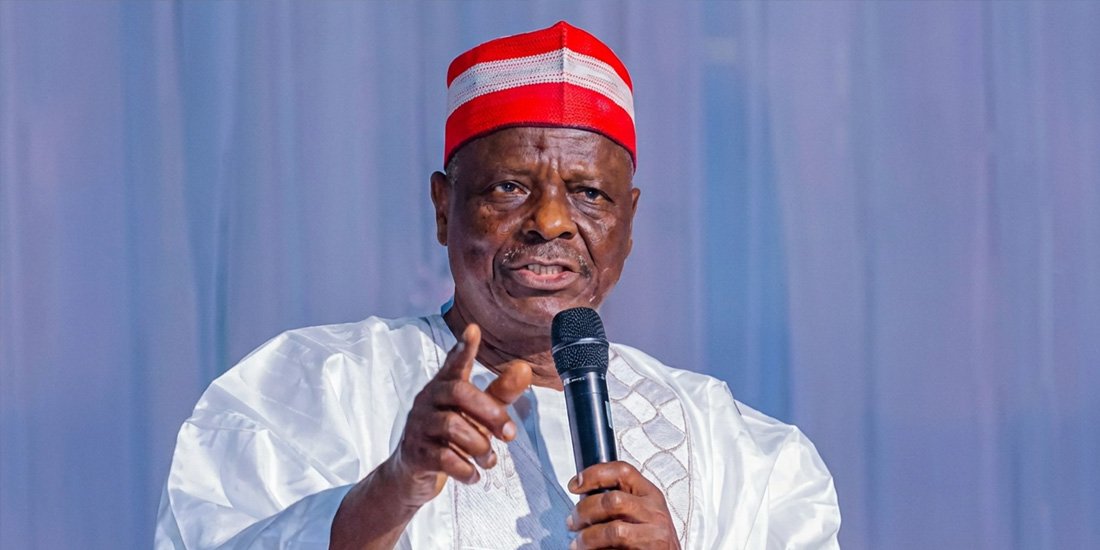
Former Kano State Governor and vice-presidential candidate of the Nigeria Democratic Congress (NDC), Senator Rabiu Musa Kwankwaso, has disclosed that he and the party’s presidential candidate, Mr. Peter Obi, signed an agreement committing to a single four-year presidential term, after which power would return to Northern Nigeria in 2031.
Kwankwaso made the disclosure during an interview on Channels Television’s Politics Today, saying the agreement was the outcome of extensive consultations between both leaders and their political platforms.
According to him, the arrangement is rooted in the principles of equity, fairness and national unity, with the presidency remaining in the South for one term before rotating back to the North.
“I personally believe him, and I don’t think, based on what I now know about him, he will change his mind when the time comes. We have accepted to put it on paper. We have done one for the party, and we have done another one between the two of us,” Kwankwaso said.
Explaining the agreement further, the former governor stated that both leaders had agreed to continue working together beyond the proposed four-year administration.
“After four years, we will continue to work together as a group, as a party, as friends and brothers, and after our four-year term, from 2027 to 2031, power returns to the North. That is the general agreement,” he added.
Kwankwaso revealed that before the 2023 general election, representatives of the Labour Party (LP) and the New Nigeria Peoples Party (NNPP) established a joint committee to compare their policy documents and political objectives.
According to him, the committee concluded that both leaders shared similar visions for Nigeria and recommended closer collaboration.
He also described Obi as a principled politician committed to national development, noting that his assessment of the former Anambra State governor had changed after months of engagement.
“I now know that Peter Obi is a very serious politician. He has the country in mind. He is somebody one can rely on. When we compared our blueprints, we realised that, with only a few adjustments, we shared virtually the same vision and mission for the country,” he said.
Kwankwaso said an Obi-led administration would prioritise tackling insecurity, reviving the economy, rebuilding infrastructure and improving education.
Describing insecurity as Nigeria’s most pressing challenge, he called for stronger political will, improved intelligence gathering, better welfare for security personnel and greater community participation in combating terrorism and other criminal activities.
He also advocated dialogue alongside military operations where necessary, insisting that all stakeholders should be engaged in efforts to restore peace.
“The first thing is political will. Once that is established, and you know what to do, you can mobilise the military and the public effectively. Communities know those behind these crimes, but many are afraid to volunteer information because of past experiences. We will restore their confidence,” he said.
While declining to directly criticise the administration of President Bola Tinubu, Kwankwaso maintained that Nigeria’s current security challenges require more decisive leadership, expressing confidence that the country’s armed forces have the capacity to defeat terrorism if adequately equipped and supported.Kwankwaso: Obi, I Signed One-Term Pact to Return Presidency to North in 2031
Former Kano State Governor and vice-presidential candidate of the Nigeria Democratic Congress (NDC), Senator Rabiu Musa Kwankwaso, has disclosed that he and the party’s presidential candidate, Mr. Peter Obi, signed an agreement committing to a single four-year presidential term, after which power would return to Northern Nigeria in 2031.
Kwankwaso made the disclosure during an interview on Channels Television’s Politics Today, saying the agreement was the outcome of extensive consultations between both leaders and their political platforms.
According to him, the arrangement is rooted in the principles of equity, fairness and national unity, with the presidency remaining in the South for one term before rotating back to the North.
“I personally believe him, and I don’t think, based on what I now know about him, he will change his mind when the time comes. We have accepted to put it on paper. We have done one for the party, and we have done another one between the two of us,” Kwankwaso said.
Explaining the agreement further, the former governor stated that both leaders had agreed to continue working together beyond the proposed four-year administration.
“After four years, we will continue to work together as a group, as a party, as friends and brothers, and after our four-year term, from 2027 to 2031, power returns to the North. That is the general agreement,” he added.
Kwankwaso revealed that before the 2023 general election, representatives of the Labour Party (LP) and the New Nigeria Peoples Party (NNPP) established a joint committee to compare their policy documents and political objectives.
According to him, the committee concluded that both leaders shared similar visions for Nigeria and recommended closer collaboration.
He also described Obi as a principled politician committed to national development, noting that his assessment of the former Anambra State governor had changed after months of engagement.
“I now know that Peter Obi is a very serious politician. He has the country in mind. He is somebody one can rely on. When we compared our blueprints, we realised that, with only a few adjustments, we shared virtually the same vision and mission for the country,” he said.
Kwankwaso said an Obi-led administration would prioritise tackling insecurity, reviving the economy, rebuilding infrastructure and improving education.
Describing insecurity as Nigeria’s most pressing challenge, he called for stronger political will, improved intelligence gathering, better welfare for security personnel and greater community participation in combating terrorism and other criminal activities.
He also advocated dialogue alongside military operations where necessary, insisting that all stakeholders should be engaged in efforts to restore peace.
“The first thing is political will. Once that is established, and you know what to do, you can mobilise the military and the public effectively. Communities know those behind these crimes, but many are afraid to volunteer information because of past experiences. We will restore their confidence,” he said.
While declining to directly criticise the administration of President Bola Tinubu, Kwankwaso maintained that Nigeria’s current security challenges require more decisive leadership, expressing confidence that the country’s armed forces have the capacity to defeat terrorism if adequately equipped and supported.