The Trump administration has reinstated the controversial “public charge” rule, reviving a policy that could prevent certain immigrants from obtaining permanent residency if they are deemed likely to rely on government assistance.
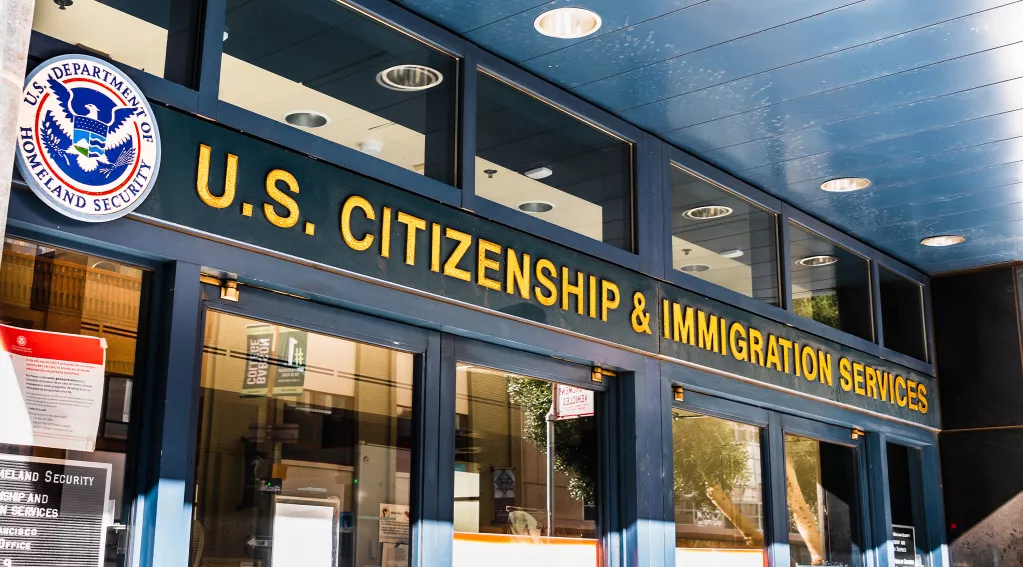
The rule, announced by the Department of Homeland Security and the U.S. Citizenship and Immigration Services (USCIS), restores a stricter interpretation of the long-standing public charge provision in U.S. immigration law. It is scheduled for formal publication in the Federal Register on July 20 and is expected to take effect on September 18.
Under the policy, immigration officials will be permitted to consider an applicant’s use of certain public assistance programs, including Medicaid, the Supplemental Nutrition Assistance Program (SNAP), commonly known as food stamps, and housing assistance, when determining eligibility for a green card.
The administration said the move is intended to reinforce the principle that immigrants seeking permanent residence should be financially self-sufficient and not become dependent on taxpayer-funded benefits.
In a statement, USCIS said the policy is aimed at protecting public resources while ensuring that immigrants admitted for permanent residence have the means to support themselves.
The public charge rule was first introduced during President Donald Trump’s first term in 2020 as part of a broader effort to reduce both legal and illegal immigration. However, the policy was rescinded in 2021 after President Joe Biden took office, with his administration arguing that it discouraged eligible immigrant families from accessing essential healthcare and nutrition programs.
Its reinstatement marks another major shift in U.S. immigration policy as the Trump administration continues to pursue tougher enforcement measures and stricter eligibility standards for legal immigration.
Immigration advocates and civil rights organizations have criticized the revived policy, arguing that it effectively creates a financial barrier to permanent residency and may discourage immigrants and their families from accessing vital public services, even when they are legally entitled to them.
Public health experts have also warned that fear of jeopardizing immigration status could lead some families to forgo medical care, food assistance and housing support, potentially resulting in broader public health and economic consequences.
The administration, however, maintains that the policy is consistent with federal immigration law and reflects the long-standing expectation that individuals seeking lawful permanent residence should demonstrate an ability to support themselves without becoming a burden on public resources.
The reinstatement of the public charge rule is expected to affect hundreds of thousands of green card applicants each year and is likely to face renewed legal challenges from immigrant rights organizations and advocacy groups before it takes effect.