Nigeria has launched a fresh push to harness its tourism potential alongside the resources of its global diaspora, aiming to reshape the country’s international image, attract investment and create jobs, through a new strategic partnership between the Nigerians in Diaspora Commission and the Nigerian Tourism Development Authority.
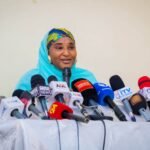
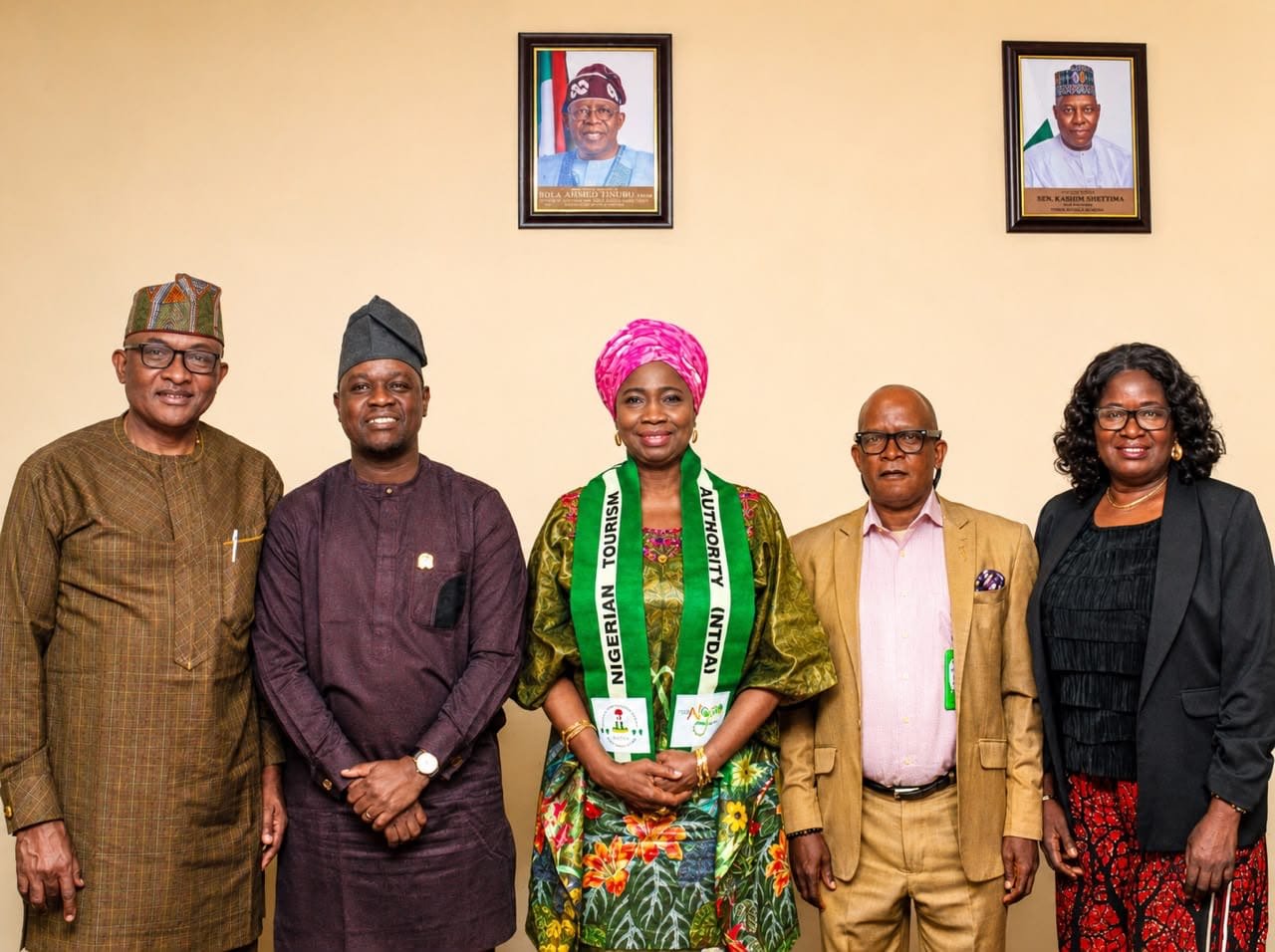
The partnership, unveiled in Abuja during a meeting between NiDCOM Chairman Abike Dabiri Erewa and NTDA Director General Olayiwola Awakan, responds to longstanding concern over Nigeria’s failure to convert its cultural, historical and natural attractions into sustainable economic opportunity despite their scale. Dabiri Erewa said Nigeria can no longer afford to let its tourism assets and national story be defined largely by outsiders or negative international narratives, arguing the country must take ownership of its story, rebrand its destinations and deliberately project a positive identity to the world. She said the collaboration would strengthen the link between Nigeria’s tourism industry and the millions of Nigerians and people of Nigerian descent living abroad, describing the diaspora as a reservoir not just of remittances but investment capital, professional expertise, global networks and cultural influence that could help transform the sector, and stressed the need to develop and promote tourism assets across all 36 states and the FCT to encourage domestic tourism while drawing international visitors.
She pointed specifically to the Badagry Door of Return Festival, which reconnects African diaspora members with their ancestral homeland and the painful history of the transatlantic slave trade, describing the experience as spiritual, emotional, psychological, economic and historical all at once, one that cuts deep into visitors’ psyche as many shed tears passing through the slave routes. For her, that emotional power represents an opportunity for Nigeria to use tourism not just for revenue but for healing, cultural reconnection and a deeper relationship with the global African community, and she urged the NTDA to sustain partnerships with government institutions, private operators and diaspora communities, insisting Nigerians must become the principal narrators of their own national story rather than leaving that role to others.
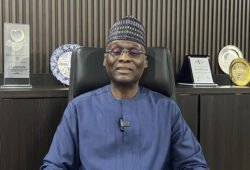
Awakan said the authority is committed to repositioning Nigeria’s tourism assets to compete with destinations worldwide, arguing the country has abundant cultural, historical and natural attractions but needs a comprehensive strategy to upgrade them, improve visitor experience and build an efficient tourism ecosystem, identifying priorities including a professional tour guide system, improved guide standards, upgraded and beautified tourism assets, tourism expos, greater private sector participation, professionally designed tour packages and dedicated tourism bureaus, all of which will depend on stronger collaboration among government agencies, the private sector, local communities and the diaspora. He linked tourism development to broader national challenges, arguing a vibrant sector can create jobs, stimulate local economies, attract investment and ease social tension by expanding economic opportunity, and lamented that Nigeria’s cultural strength, evident in its many festivals and traditional celebrations, is too often overshadowed internationally by negative narratives, making a deliberate strategy for projecting the country’s culture and achievements necessary, with diaspora Nigerians serving as key ambassadors whose engagement could significantly shift global perception.
As part of the new push, Awakan disclosed plans for a proposed NAIJA FEST, a national festival meant to showcase the culture, cuisine, music, arts, traditions and heritage of all 36 states and the FCT on a single platform for tourism promotion, investment, entertainment and international exposure, alongside a proposed Diaspora Internship Initiative in the United Kingdom, under which diaspora Nigerians would undertake nine month internships in Nigeria before returning to their countries of residence, exposing them to the country’s professional, cultural and economic environment while strengthening their connection to it. The emerging partnership represents an effort to move Nigeria’s tourism sector beyond occasional festivals and isolated attractions toward a coordinated national strategy anchored in investment, cultural diplomacy and diaspora engagement, with both agencies believing tourism can become a major pillar of national development if properly packaged and marketed.