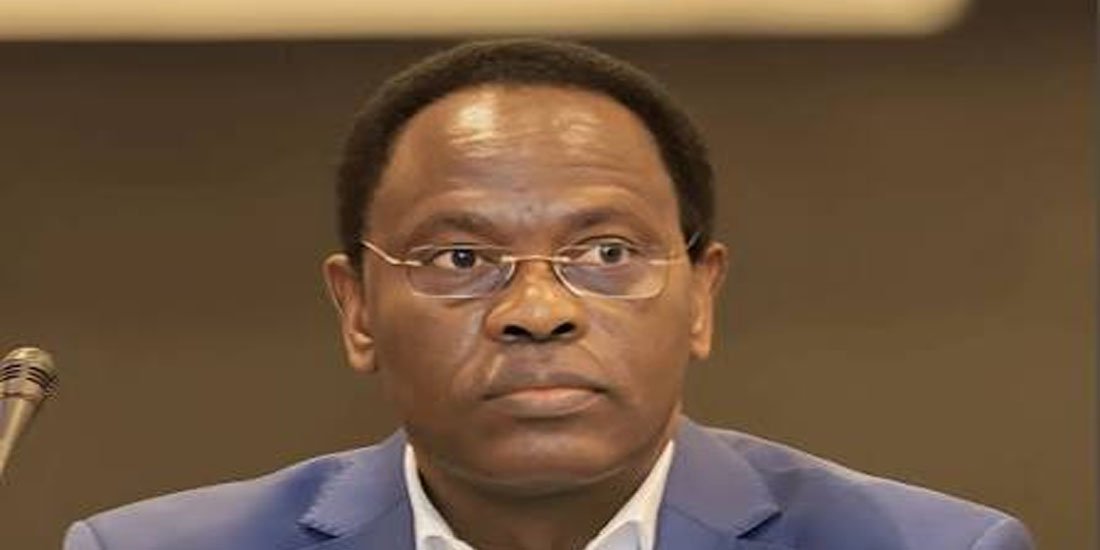
The West African Health Organisation has marked its 39th anniversary with a declaration that the future of healthcare across the ECOWAS region depends on stronger regional cooperation, sustainable financing, technological innovation and better preparedness against emerging health threats.
In an anniversary statement, WAHO Director General Melchior Aissi reflected on nearly four decades of regional health collaboration since the organisation’s founding on July 9, 1987, by ECOWAS heads of state, an institution established to coordinate regional responses to health emergencies, harmonise health policy and strengthen healthcare systems across member states. Aissi said the organisation has remained steadfast in pursuing that mission despite evolving political and institutional realities, noting the anniversary carries added significance because it coincides with the completion of his own tenure as Director General, a period he said saw the organisation weather numerous challenges while still recording remarkable achievements through collective commitment from ECOWAS institutions, member states and development partners, adding that even relocating WAHO’s headquarters to Cote d’Ivoire amid wider changes across the ECOWAS community failed to slow the organisation’s momentum, if anything underscoring its resilience and the dedication of its workforce.
Aissi highlighted several major initiatives from the past year, including strengthening national health systems, promoting exclusive breastfeeding during a child’s first six months, mobilising protected domestic resources for healthcare financing and expanding the regional community health policy. He pointed to the 27th Assembly of ECOWAS Ministers of Health in Freetown, Sierra Leone, as one of the year’s defining milestones, where ministers adopted far reaching regional policy instruments expected to shape healthcare delivery for years to come, including a Regional Framework for Malaria Elimination, the Freetown Charter on technology and data driven reduction of maternal, neonatal and infant mortality, regional recommendations on exclusive breastfeeding, and new commitments to strengthen domestic healthcare financing, decisions he called evidence of growing determination among member states to build more resilient, innovative and equitable health systems for millions across the sub region.
Aissi also welcomed renewed confidence expressed by ECOWAS health ministers in WAHO’s leadership and performance, crediting the recognition to the organisation’s staff, member states and partners whose commitment delivered results even under difficult operating conditions. Looking ahead, he warned that West Africa faces increasingly complex health threats requiring coordinated regional action, identifying health security, emerging and re emerging diseases, climate change, digital transformation of healthcare systems, regional pharmaceutical production and sustainable financing as critical priorities demanding stronger collaboration among governments and stakeholders. I remain deeply convinced that the future of our organisation rests on this collective capacity to innovate, to pool our experiences and to act together for the benefit of our populations, he said, paying tribute to ECOWAS leaders, health ministers, healthcare professionals, technical and financial partners and WAHO’s own staff for building what he called one of Africa’s leading regional health institutions, and expressing confidence the organisation would continue advancing universal access to quality healthcare for every woman, man and child in West Africa with sustained support from member states and international partners.