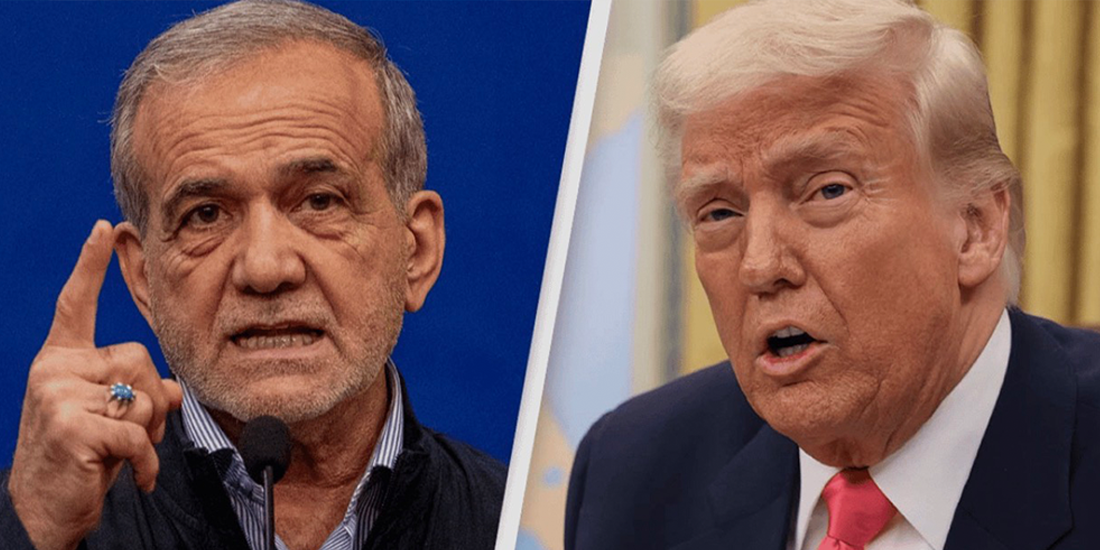
The military confrontation between Iran and the United States has entered a more dangerous phase following renewed Iranian attacks on Gulf countries and an intensification of American airstrikes against targets inside Iran.
The latest escalation has heightened fears that the conflict could spread across the Middle East, drawing additional countries into direct hostilities and threatening vital energy and commercial routes.
Iran has resumed missile and drone attacks against neighboring Gulf states that had largely remained outside the direct line of fire for several weeks. The attacks were reportedly aimed at locations connected to the United States, including military facilities and strategic infrastructure in countries hosting American forces.
The renewed strikes triggered air defence operations and emergency alerts across parts of the Gulf as regional governments moved to protect their airspace and critical installations.
Tehran described the attacks as retaliation for the latest wave of United States military operations against Iranian targets. Iranian authorities maintained that countries allowing their territory to be used for attacks against Iran could not expect to remain insulated from the consequences of the conflict.
The United States, meanwhile, has expanded its air campaign, targeting Iranian missile launch sites, drone facilities, command centers, naval assets and other military infrastructure.
American officials said the operations were designed to weaken Iran’s ability to carry out further attacks, protect United States personnel and defend commercial shipping in the region.
The widening confrontation has placed Gulf governments in a difficult position. Although several of them maintain close security ties with Washington, they have also sought to avoid becoming direct participants in the conflict and have previously attempted to preserve diplomatic channels with Tehran.
Iran’s decision to strike locations in neighboring countries represents a significant change in the pattern of hostilities. For weeks, several Gulf states appeared to be treated as effectively off limits despite their military relationships with the United States.
That restraint now appears to be fading as Iran seeks to demonstrate that American military action will carry consequences beyond its own borders.
The escalation has also brought renewed attention to the Strait of Hormuz, one of the world’s most important maritime passages. Any prolonged disruption to shipping through the waterway could affect global oil supplies, increase transport costs and place further pressure on international energy markets.
Regional governments have placed their security forces on heightened alert, while air defence systems have been activated in response to incoming missiles and drones.
The increasing frequency and geographical spread of the attacks have raised concerns about accidental escalation. A missile strike causing significant civilian casualties or major damage to infrastructure in a Gulf country could provoke a stronger response and further widen the conflict.
Diplomatic efforts to contain the crisis have continued, but the prospects of an immediate ceasefire remain uncertain. Regional mediators have encouraged restraint, warning that continued escalation could produce devastating consequences for the entire Middle East.
The latest developments suggest that the conflict is moving beyond a direct confrontation between Washington and Tehran. Gulf countries are now facing the growing risk of becoming active battlegrounds, even as many of them continue to call for de-escalation.
With the United States intensifying its attacks and Iran once again targeting neighboring states, fears are mounting that the region may be approaching a broader and more unpredictable war.