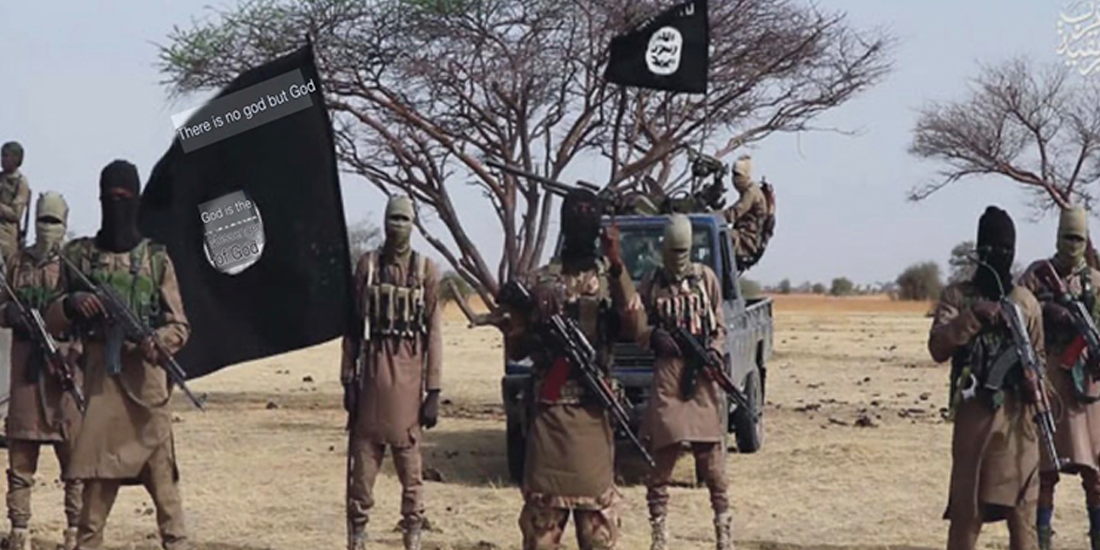
Boko Haram fighters turned to mainstream artificial intelligence chatbots for help building weapons and planning operations, according to a New York Times investigation that found former insurgents using multiple AI platforms, including ChatGPT, Claude, Gemini, Grok and DeepSeek, to solve tactical problems on the battlefield.
The report, drawing on interviews former commanders gave to University of Cambridge terrorism and technology researcher Antonia Juelich, describes how the group turned to AI tools after a defensive trench frustrated an assault on a military base, using the chatbots to figure out how to modify motorcycles so they could jump such obstacles. Mechanics altered the motorcycles to improve speed and acceleration, and fighters practised the manoeuvre before operations. We saw in a movie how motorcycles can jump over bridges, one former commander told Juelich, so we used AI to learn how to do this, feeding it details like which motorcycles they used and the distance they needed to jump, and it gave us steps on what we have to do.
A former Islamic State West Africa Province commander described an even more direct use of the technology for explosives, telling Juelich that typing or speaking a question like how can I build a bomb produces a detailed answer explaining exactly how, calling the chatbots like a human robot that removed the trial and error that could otherwise get fighters killed, since AI gives you accuracy. He said the group’s bomb explosions used to be modest until AI helped them study the chemistry, telling them what chemicals to add to make the explosion heavier.
Responding to the findings, OpenAI told the Times that the terrorists’ actions violated its usage policies, while Google and Anthropic said their AI models contain safeguards designed to refuse dangerous requests. The former insurgents, however, told the researcher they routinely got around chatbot restrictions simply by disguising their requests as legitimate projects.