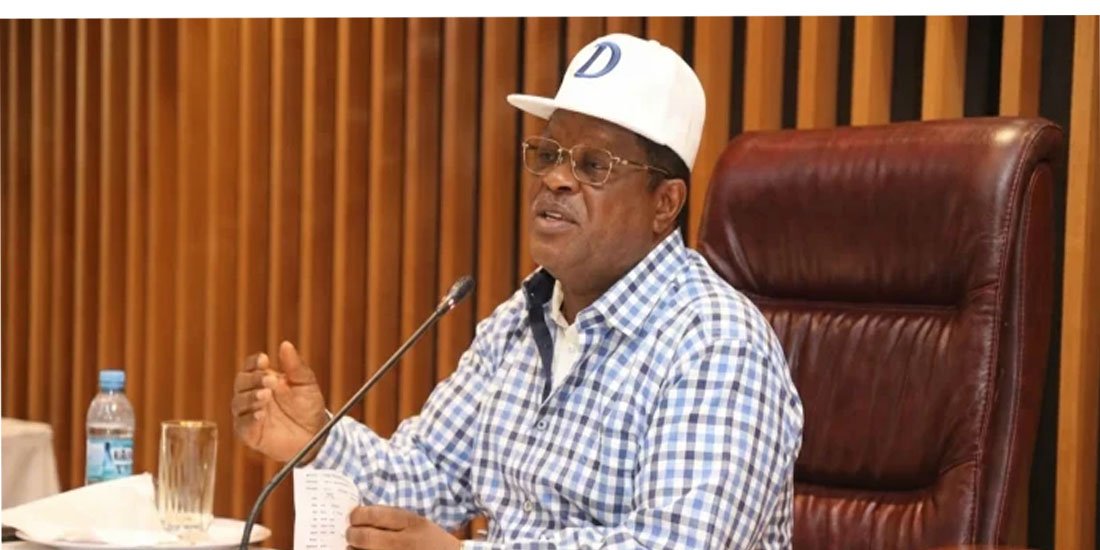
Minister of Works David Umahi has pushed back firmly against claims linking the Lagos Calabar Coastal Highway to recent flooding in parts of Lagos, insisting the project was engineered specifically to reduce flood risk through extensive drainage and coastal protection measures, not create it.
Speaking on ARISE News, Umahi said the highway’s Environmental and Social Impact Assessment anticipated flooding risk from the start and built in engineering responses, including multiple culverts, drainage channels and water evacuation corridors, meant to shield surrounding communities from both ocean surge and stormwater. He said flooding in Victoria Island and nearby areas predates the coastal highway by years, and that the road has actually created a barrier against seawater while improving how floodwater drains into the lagoon, describing the road as raised to a mitigated level with evacuation channels built in specifically to address, not cause, flooding in the corridor.
Instead, Umahi pointed to human behaviour as the real driver of Lagos flooding, citing indiscriminate refuse disposal, blocked drainage systems and construction on natural waterways, and pressed residents to stop blocking culverts, dumping refuse into drainage channels and building over waterways if they want the flooding to ease. He said the project’s environmental assessment underwent both local and international scrutiny, with final environmental certification to follow once all mitigation measures are fully implemented after construction, and disclosed that more than 70 percent of the 750 kilometre corridor has now either been procured or is under active construction, calling it one of the Tinubu administration’s legacy infrastructure projects meant to improve connectivity, attract investment and strengthen coastal climate resilience.
Lagos State Governor Babajide Sanwo Olu echoed Umahi’s position during a courtesy visit from the minister and members of the National Assembly, dismissing the flooding claims as misinformation circulating on social media and welcoming the coastal highway as a transformative project that many initially dismissed as a political promise but that Lagosians are now actually using. He explained that Lagos’s geography makes some seasonal flooding unavoidable regardless of infrastructure, noting the state occupies less than 0.4 percent of Nigeria’s landmass, with roughly a third of it covered by water, all while its population keeps growing and putting pressure on available land. Intense rainfall can temporarily overwhelm any drainage system, he said, but floodwaters typically recede afterward, and he accused social media users of spreading misleading impressions by circulating images from peak flooding without showing conditions once the water subsides, while insisting the government still takes the underlying challenges seriously.
Sanwo Olu also blamed indiscriminate refuse disposal for worsening urban flooding, recalling the state’s earlier ban on styrofoam over its environmental impact and promising additional environmental regulations soon. He disclosed that Lagos has begun a major clean up of the Lagos Badagry Expressway to protect public infrastructure and will enforce zero tolerance against activities that damage roads and drainage, and revealed that the state has signed an agreement with a mechanised street cleaning company that will deploy specialised six lane sweeping machines to clean the coastal highway daily.