Nigeria’s admission into the International Energy Agency as an Association country pushes the agency’s membership past a striking threshold: its member and association countries now account for more than 80 percent of global energy demand, up from 40 percent when the association programme launched in 2015.
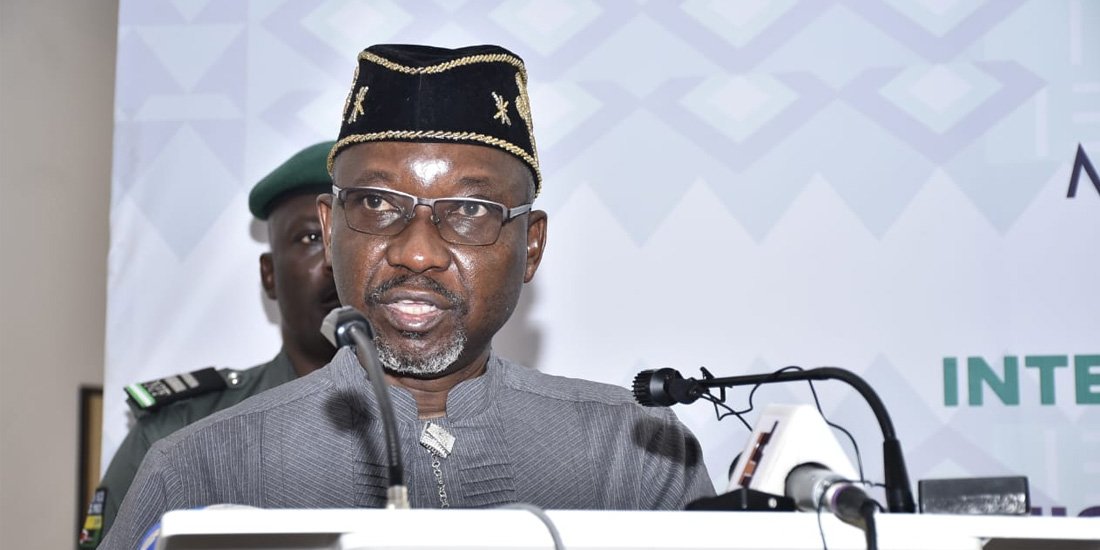
Minister of State for Petroleum Resources (Gas) Ekperikpe Ekpo called the unanimous decision by the IEA Governing Board a reflection of Nigeria’s growing strategic importance in global energy, saying the move deepens the country’s role in global energy governance while advancing its push for universal energy access, industrialisation and sustainable energy development. In a statement issued through his spokesman Louis Ibah, Ekpo said he was elated to see Nigeria welcomed into the IEA family and encouraged other African countries to deepen their own engagement with the agency as the continent works toward shared development goals. He said the partnership opens up greater access to global energy expertise, research and policy insight, and strengthens collaboration on energy security, investment mobilisation, gas development, electricity access and sustainable energy.
IEA Executive Director Fatih Birol welcomed Nigeria as Africa’s most populous country and a major international energy player, calling its admission an important advance in global energy governance and thanking President Bola Ahmed Tinubu and Ekpo for their confidence in the agency. Birol said closer collaboration would support Nigeria’s push to strengthen energy security, drive economic growth and expand access to electricity and clean cooking. The IEA pointed to specific reasons behind the invitation. It noted that Nigeria’s refining sector, particularly increased fuel exports during periods of market disruption, has helped strengthen the resilience of African and global fuel markets, and that the country has become one of the world’s fastest growing markets for decentralised solar energy as it works to expand access to electricity and clean cooking. Nigeria’s relationship with the IEA dates back more than a decade, beginning with cooperation in 2014, and the new Association status is expected to deepen work on energy security, the clean energy transition, methane emissions reduction and electricity access