The Nigeria Centre for Disease Control and Prevention has come out against a proposed bill to establish a National Institute for Public Health and Infectious Diseases, warning that a new body could duplicate existing duties, create governance conflicts and weaken the country’s disease control and emergency response.
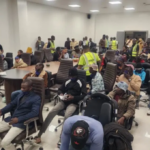
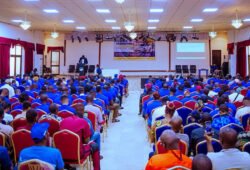
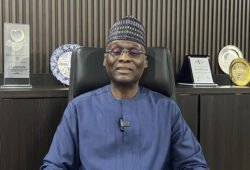
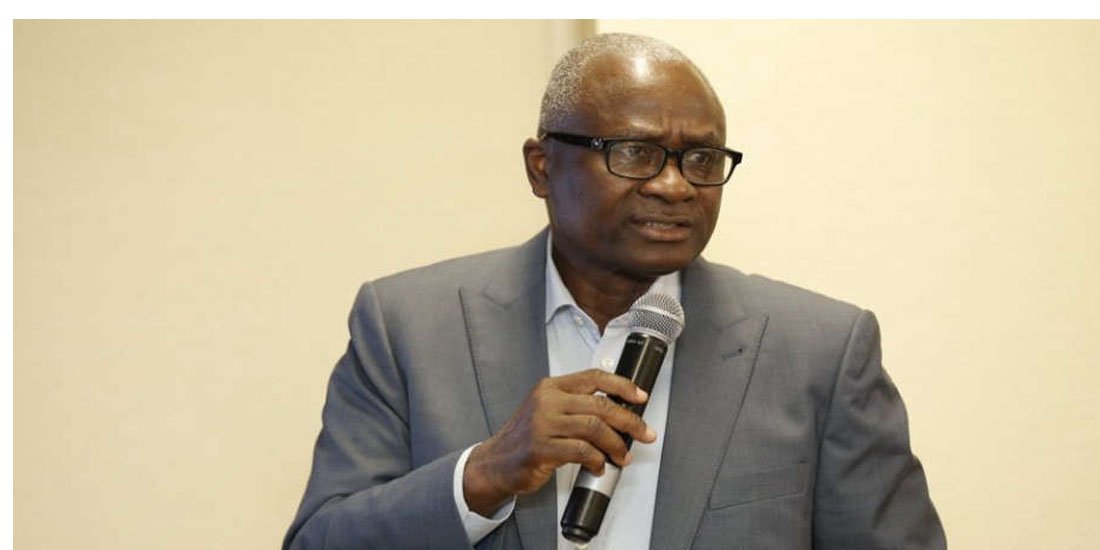
The agency set out its position at a public hearing organized by the House Committee on Infectious Diseases in Abuja. Director General Jide Idris said that while the center supported stronger health security, the institute as drafted would take on functions the law already assigns to the NCDC.
He reminded lawmakers that Nigeria already operates a legally established and internationally recognized national public health institute, created under the NCDC Act of 2018, with responsibility for disease surveillance, outbreak response, laboratory coordination, emergency preparedness and the International Health Regulations.
Idris argued that the responsibilities proposed for the new institute largely mirrored those of the NCDC, raising concerns about overlap, governance and long-term funding, and warned that splitting authority during outbreaks could sow confusion among states, partners and international bodies. Drawing on Nigeria’s handling of Ebola, COVID-19 and Lassa fever, he said the response system had grown around a single command structure that parallel institutions could fragment.
He also questioned the cost of building another federal body with zonal and state structures, and objected to drawing on the Basic Health Care Provision Fund. While backing the upgrade of the Tuberculosis and Leprosy Training Centre in Saye, Zaria, into a tertiary institution, he urged lawmakers to reinforce existing structures rather than create a parallel command, noting that some clauses appeared lifted almost word for word from the NCDC Act.
House Speaker Tajudeen Abbas, represented by Bashir Zubair, framed the proposed institute as a strategic investment in health security, while committee chairman Amobi Godwin Ogah, represented by Mark Esset, said the hearing also covered a Tuberculosis Anti-Discrimination Bill and traced the institute proposal to underused capacity found at the Zaria centre.