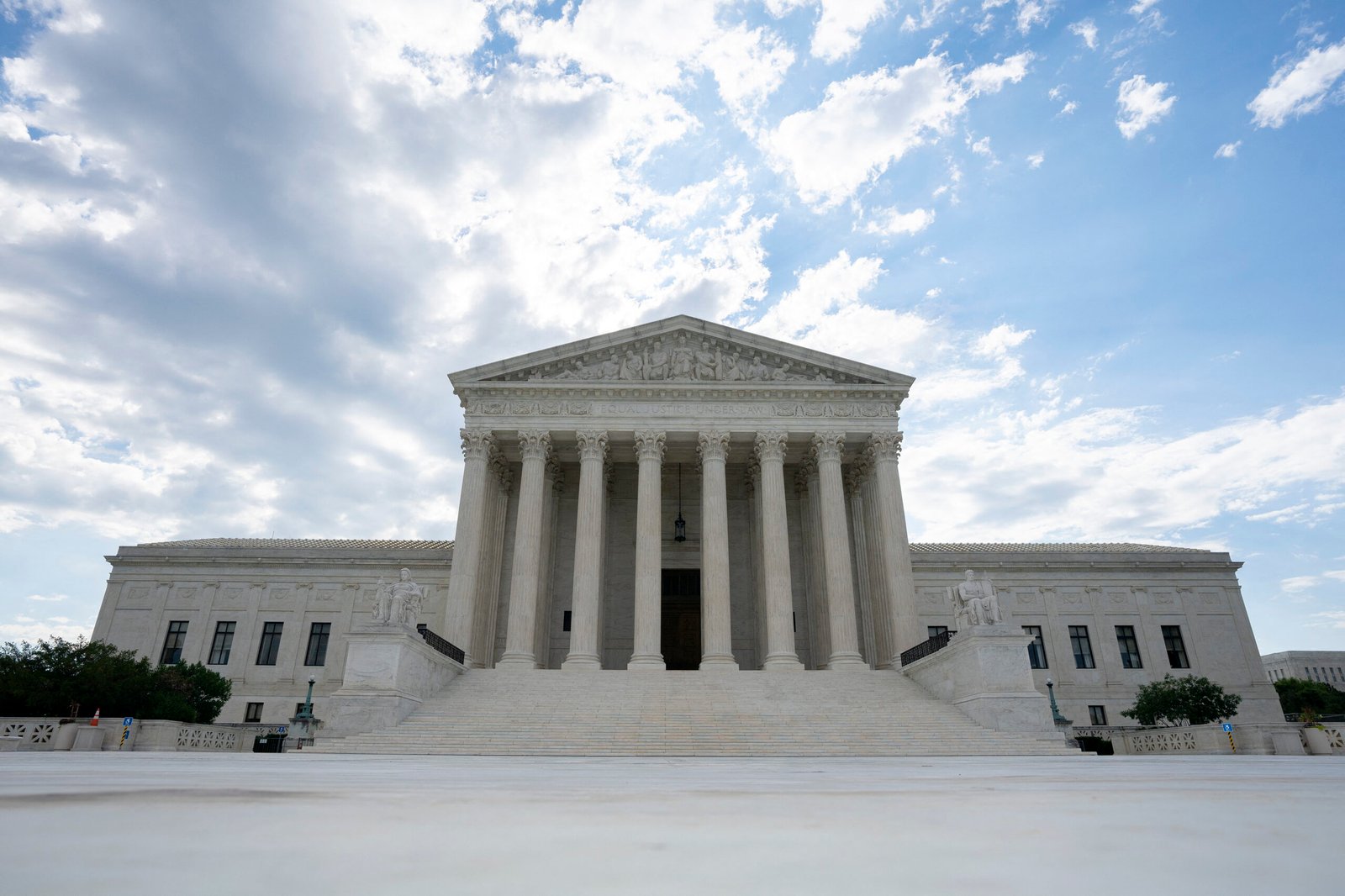
The United States Supreme Court has ruled in favor of the Trump administration’s decision to end Temporary Protected Status (TPS) for hundreds of thousands of Haitian and Syrian nationals living in the United States, a move that could pave the way for their deportation.
In a 6-3 decision delivered on Thursday, the conservative-majority court held that the Department of Homeland Security’s decision to terminate TPS protections for approximately 350,000 Haitians and 6,000 Syrians is not subject to judicial review.
The ruling is expected to have broader implications for more than one million TPS beneficiaries from several countries who could face similar actions under the administration’s immigration policies.
Court Backs Administration’s Authority
Writing for the majority, Justice Samuel Alito stated that federal courts do not have the authority to review the executive branch’s decisions regarding the termination of TPS designations.
TPS is a humanitarian program that shields eligible foreign nationals from deportation and allows them to work legally in the United States when conditions such as war, natural disasters, or political instability make returning to their home countries unsafe.
The Trump administration argued that the decision to end TPS protections falls within executive authority and should not be subject to court intervention.
Dispute Over Motivation Behind Decision
Lawyers representing Haitian and Syrian TPS holders had argued that conditions in both countries remain dangerous and that the administration’s decision was influenced, at least in part, by discriminatory attitudes.
However, Justice Alito rejected claims that racial considerations played a role in the decision.
According to the ruling, statements cited by challengers did not provide sufficient evidence that race was a motivating factor behind the policy change.
Strong Dissent from Liberal Justices
Justice Elena Kagan, writing in dissent and joined by the court’s two other liberal justices, strongly disagreed with the majority opinion.
Kagan argued that public remarks made by President Donald Trump about Haitian immigrants reflected racial bias and should have been considered in evaluating the legality of the administration’s actions.
She maintained that the language used in some of the statements carried clear racial implications and suggested that race played a role in the decision-making process.
Immigration Policy at the Center
The ruling represents a significant victory for President Trump’s immigration agenda, which has focused heavily on reducing legal and illegal immigration and limiting humanitarian protections for migrants.
Since returning to office, the administration has moved to revoke TPS designations for nationals from several countries, including Afghanistan, Cameroon, Ethiopia, Honduras, Myanmar, Nepal, Nicaragua, Somalia, South Sudan, Venezuela, Yemen, Haiti, and Syria.
Haitians were first granted TPS following the devastating 2010 earthquake that killed hundreds of thousands and left much of the country in ruins. Haiti continues to struggle with gang violence, political instability, kidnappings, and economic hardship.
Syrians became eligible for TPS in 2012 following the outbreak of the country’s civil war.
Reactions Split Along Political Lines
The decision drew mixed reactions from political leaders and advocacy groups.
Democratic Senator Elizabeth Warren criticized the ruling, describing it as a dangerous precedent that could expose vulnerable immigrants to serious risks in their home countries.
On the Republican side, Representative Mike Lawler acknowledged the administration’s authority to end TPS but expressed concern about the timing, citing the ongoing humanitarian crisis in Haiti.
Advocacy organizations also warned of the potential consequences for families and communities across the United States. Refugee support groups noted that many TPS holders have lived and worked legally in the country for years, contributing to sectors such as healthcare, education, and social services.
The ruling marks a major legal milestone in the administration’s efforts to reshape U.S. immigration policy and is expected to influence future challenges involving Temporary Protected Status and other humanitarian immigration programs.