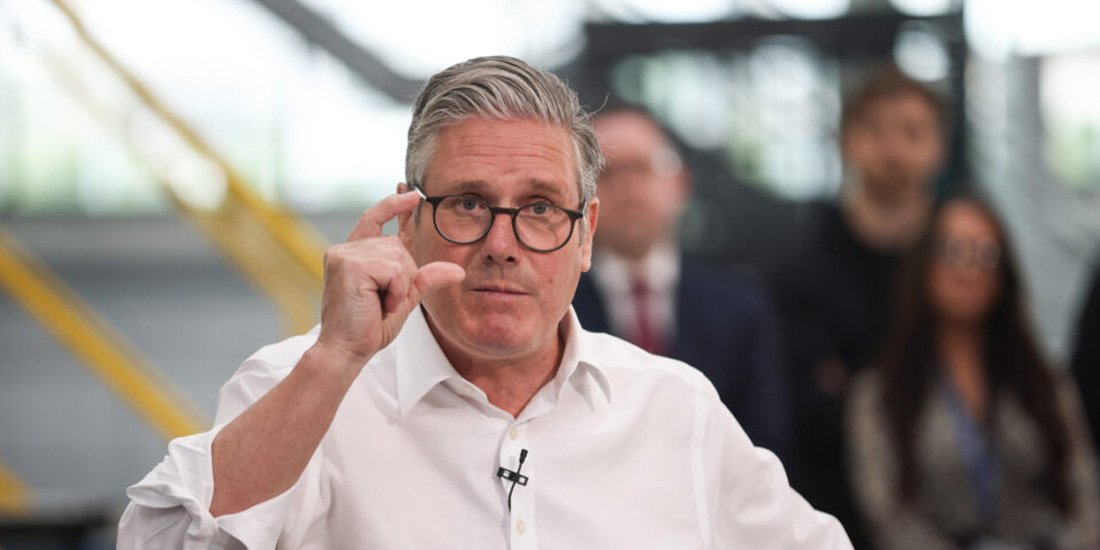
Keir Starmer has announced his resignation as Prime Minister of the United Kingdom and leader of the Labour Party, bringing an end to a turbulent period in British politics and triggering a contest to choose his successor.
Starmer, who led Labour to power after years in opposition, confirmed his decision in a statement on Monday, saying he believed it was the right time to step aside in the interests of the party and the country.
“It has been the honour of my life to serve as Prime Minister and to lead the Labour Party. I remain proud of what we have achieved together, but I believe this is the right moment for new leadership to take our vision forward,” Starmer said.
His resignation follows months of mounting political pressure, declining public approval ratings, and growing calls within Labour for a change in leadership. The party has faced internal divisions over policy direction, economic challenges, and electoral setbacks in recent local contests.
Leadership Contest Looms
Starmer’s departure is expected to trigger an immediate leadership race within the Labour Party, with several senior figures already being mentioned as potential contenders.
Among those tipped as possible successors is Andy Burnham, who recently returned to Parliament following a by-election victory. Other senior Labour figures are also expected to weigh their options as the party prepares for a potentially closely contested leadership battle.
Under Labour Party rules, the new leader would be selected through an internal election process involving party members and affiliated organisations.
Political Transition
The resignation creates uncertainty at the heart of the British government and raises questions about the future direction of Labour’s administration.
Constitutional experts say the governing party will now be required to choose a new leader, who would then be invited to form a government if Labour retains the confidence of Parliament.
Political analysts believe the leadership transition could have significant implications for the government’s economic agenda, public services reforms, foreign policy, and preparations for future elections.
Reactions Emerge
Tributes and reactions began pouring in shortly after the announcement, with political allies praising Starmer’s commitment to public service and his efforts to return Labour to government.
Opposition parties, meanwhile, called for stability during the transition period while urging the government to remain focused on national priorities.
Starmer, a former human rights lawyer and Director of Public Prosecutions, became Labour leader in 2020 and later led the party back into government. His tenure was marked by efforts to reshape Labour’s image, strengthen public services, and navigate a challenging domestic and international political environment.
With the race to replace him now expected to begin in earnest, attention will turn to who can unite Labour and lead the party into its next chapter.