The National Economic Council (NEC) has approved N83.2 billion for interventions aimed at mitigating the impact of anticipated flooding and other climate-related emergencies across Nigeria.
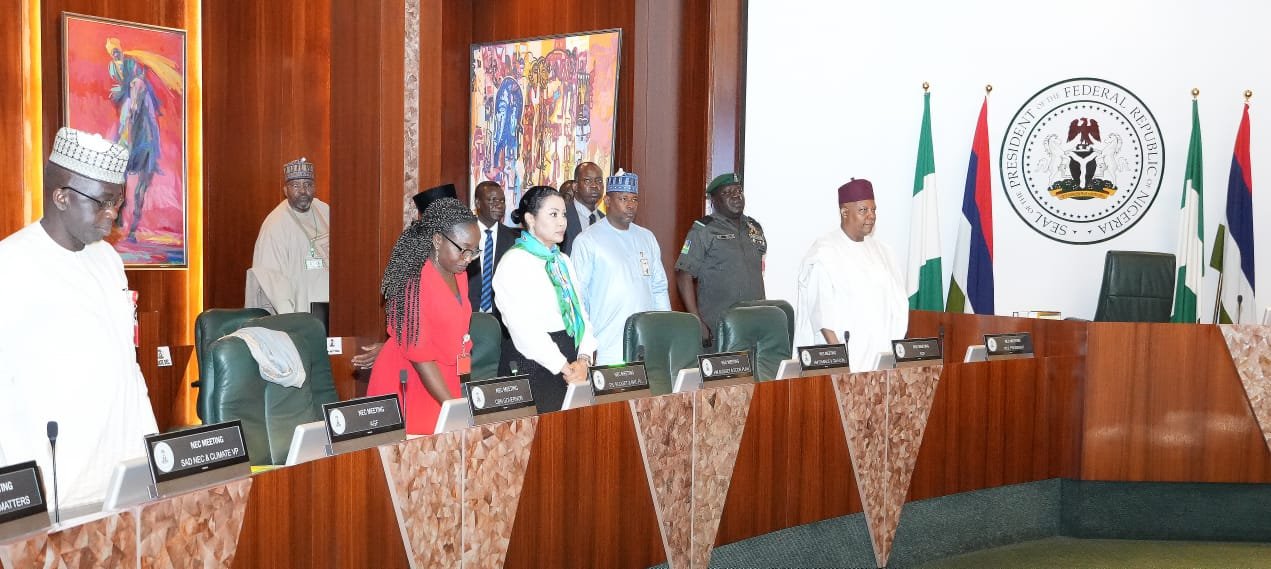
The approval was granted on Thursday during the 158th meeting of the Council, chaired by Vice President Kashim Shettima. The funds will be deployed through the Anticipatory Action Task Force (AATF) to strengthen preparedness and response measures ahead of the peak of the rainy season.
The decision followed a presentation by the Minister of State for Budget and Economic Planning, Dr. Doris Uzoka-Anite, who highlighted the need for proactive measures to address recurring flooding and disaster risks across the country.
Council members stressed the importance of moving beyond reactive responses to emergencies and disasters, noting that preventive action would help reduce losses and improve resilience in vulnerable communities.
Speaking during the meeting, Vice President Shettima said the administration of President Bola Tinubu is focused on ensuring that ongoing economic reforms translate into tangible benefits for Nigerians.
According to him, government policies and programmes must be evaluated based on their impact on the lives of ordinary citizens, including farmers, manufacturers, unemployed youths, vulnerable groups and future generations.
“When this Council last met, I described our economy as a workshop—a place of measurement and correction where plans are transformed into systems, and systems into institutions before they become prosperity,” Shettima said.
“A workshop is judged not by the plans on its walls but by what it produces. The question before us today is whether the work is taking shape.”
The Vice President noted that Nigeria is transitioning from economic stabilisation to increased production and implementation, emphasizing the need for coordinated national growth rather than isolated interventions.
He also underscored the importance of social protection programmes, describing them as critical tools for safeguarding vulnerable citizens and strengthening the country’s human capital.
On trade and economic development, Shettima urged state governments to collaborate with the Federal Government in removing logistical and regulatory obstacles that hinder agricultural exports.
He argued that Nigeria’s economic transformation depends on building a complete value chain that links agricultural production to processing, quality standards, transportation infrastructure and access to international markets.
“We cannot continue to export raw materials and import finished prosperity,” the Vice President stated.
He added that improving port operations and ensuring compliance with international export standards would enhance the competitiveness of Nigerian products in global markets, benefiting both farmers and manufacturers.
“A nation that cannot move its goods has imprisoned its own farmers. Meeting international standards is not submission to foreign demand; it is the price of access to markets that reward our labour,” he said.
The Council’s approval of the flood mitigation fund comes amid growing concerns over the impact of climate change, with several states expected to experience heavy rainfall and potential flooding during the current rainy season. The intervention is expected to support preparedness efforts, reduce disaster risks and strengthen emergency response mechanisms nationwide.