Airlines will spend an additional $100 billion on jet fuel this year, with ticket prices set to rise to cover the cost after conflict with Iran disrupted oil supplies, the International Air Transport Association (IATA) has said.
With jet fuel prices expected to climb 70 percent across 2026, IATA projected that combined industry profits worldwide would fall by half to $23 billion. The body warned that some carriers could struggle to survive the price shock triggered by the closure of the Strait of Hormuz in March.
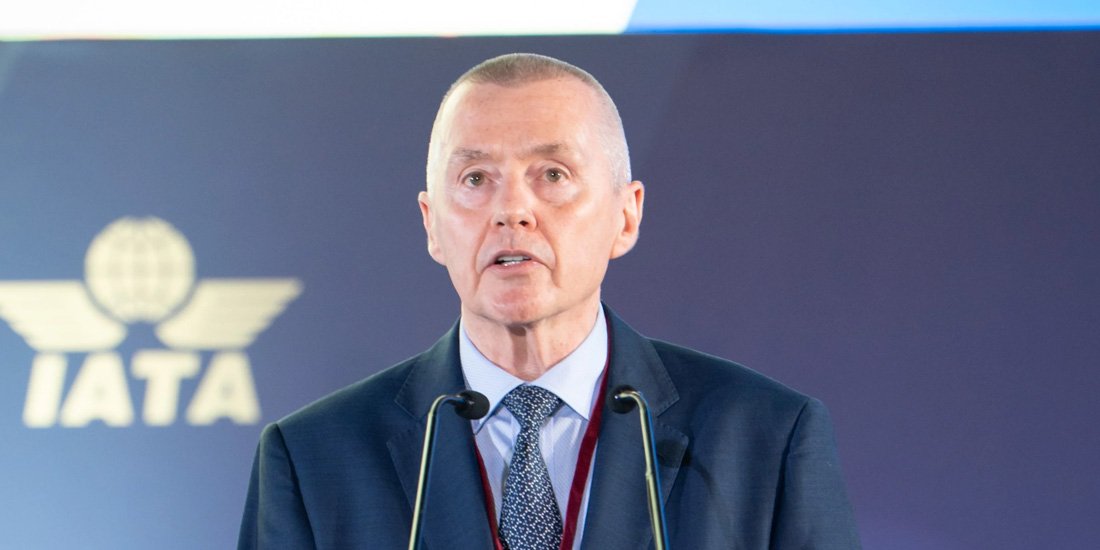
Speaking at IATA’s summit in Rio de Janeiro, Director General Willie Walsh said rising crude prices would inevitably push fares higher, leaving airlines no way to absorb the increase. He said industry polling showed passengers were braced for higher fares and willing to spend more, though he added that the key uncertainty was how long travelers and shippers could tolerate the higher cost of connectivity.
Describing the period as challenging and unpredictable with wafer thin margins, Walsh said fears of fuel shortages had eased even as costs soared, and that the situation, unlike Covid, did not amount to a crisis. He warned, however, that the rising fuel bill could prove existential for many airlines, while noting that the industry remained profitable, with traffic up 2 percent and growth still forecast outside the Middle East.
British Airways Chief Executive Sean Doyle said long haul and business passengers would likely bear most of the fare increases, adding that there was no avoiding higher fares when fuel costs rise. He suggested that price sensitive short haul holiday routes would be the last to increase, and that carriers with heavy long haul, corporate and premium exposure would pass through more of the cost than those focused on leisure travel. IATA research indicated that about half of passengers were prepared to pay substantially more if fares tracked oil prices, which Walsh said pointed to a strong northern summer season.
IATA again identified Nigeria as one of the most expensive countries in the world in which to run an airline, citing high operating costs that continue to threaten the viability of local carriers. Its Regional Vice President for Africa and the Middle East, Kamil Al-Awadhi, said that despite reform efforts by Aviation and Aerospace Development Minister Festus Keyamo, Nigerian airlines still face significant cost pressures from excessive taxes, charges and other expenses.
Al-Awadhi urged ECOWAS member states to implement a proposed 25 percent cut in aviation taxes and charges to lower travel costs, boost passenger traffic and improve competitiveness. He noted that the government imposes at least 27 different charges on airlines, and recalled earlier research showing that Nnamdi Azikiwe International Airport in Abuja ranks as the most expensive airport in Africa, followed by Murtala Muhammed International Airport in Lagos. He said expensive fuel, excessive charges and high leasing and insurance costs had left African airlines unable to compete with foreign rivals, and that Nigeria needed to decide how to keep its carriers in business.