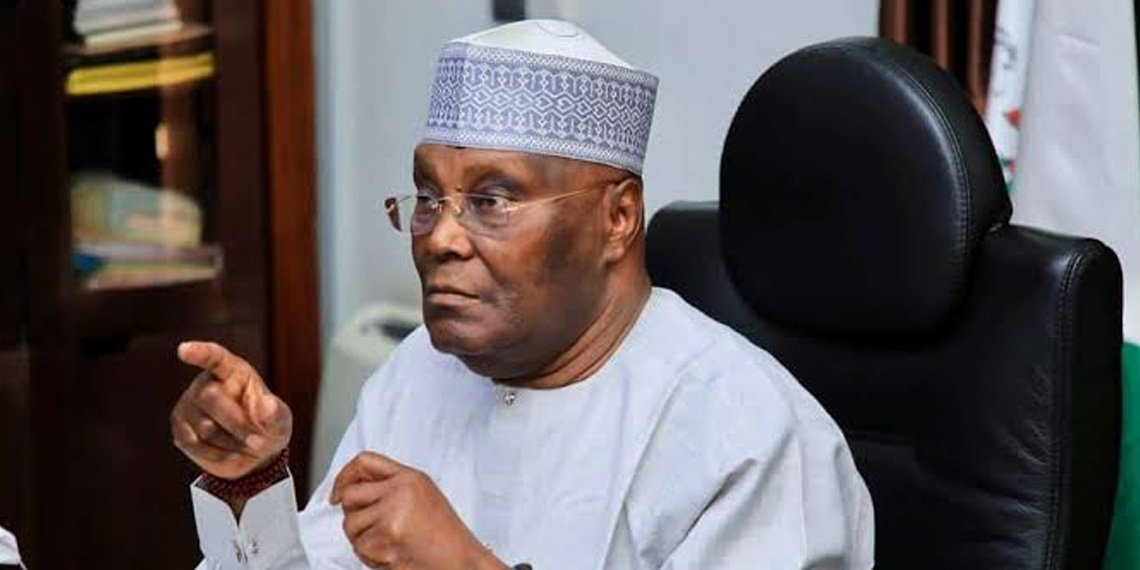
African Democratic Congress presidential candidate Atiku Abubakar has called for a comprehensive overhaul of Nigeria’s national counterterrorism framework, saying the government’s response to the country’s security crisis remained largely unchanged while terrorists continued to refine their tactics, study their successes and failures, adapt to government responses, and strike new targets with growing sophistication.
In a statement by his Senior Special Assistant on Public Communication Phrank Shaibu, Atiku said the spread of terrorism, banditry, and kidnapping from the north across the Middle Belt and into the South-west clearly demonstrated that the existing security architecture was no longer adequate for the scale and complexity of the challenge. He lamented that the government had failed to systematically extract lessons from previous attacks and use them to prevent future incidents.
He said a thorough review of Nigeria’s counterterrorism policy must be rooted in the country’s own experiences, drawing lessons from affected communities and developing context-specific, adaptive, and community-driven solutions rather than depending on foreign templates. He proposed establishing a terrorism violence peer review mechanism through which affected communities, local leaders, security personnel, and other stakeholders could share experiences and contribute to security planning.
He called for a multi-layered strategy centered on intelligence gathering, technology, community participation, and disruption of terror financing networks, arguing that military deployments alone could not win the battle. He proposed establishing specialized counterterrorism fusion centers in each geopolitical zone where intelligence from the military, police, Department of State Services, civil defence, immigration, customs, local vigilantes, and community leaders could be pooled, analyzed, and acted upon in real time.
He also called for massive investment in intelligence gathering, surveillance technology, aerial monitoring systems, communication interception capabilities, and data-driven threat analysis, as well as structured community intelligence programs backed by trust, incentives, and witness protection. He said Nigeria’s porous borders had become highways for terrorists, arms traffickers, and transnational criminal networks and demanded urgent reinforcement of border security.