The Federal Government has identified healthcare technology, pharmaceutical manufacturing, diagnostics, and medical infrastructure as key drivers of Nigeria’s economic transformation, declaring the sector a major investment frontier under the administration of President Bola Ahmed Tinubu.
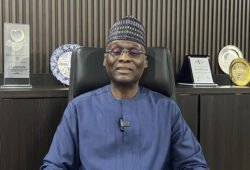
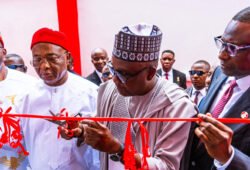
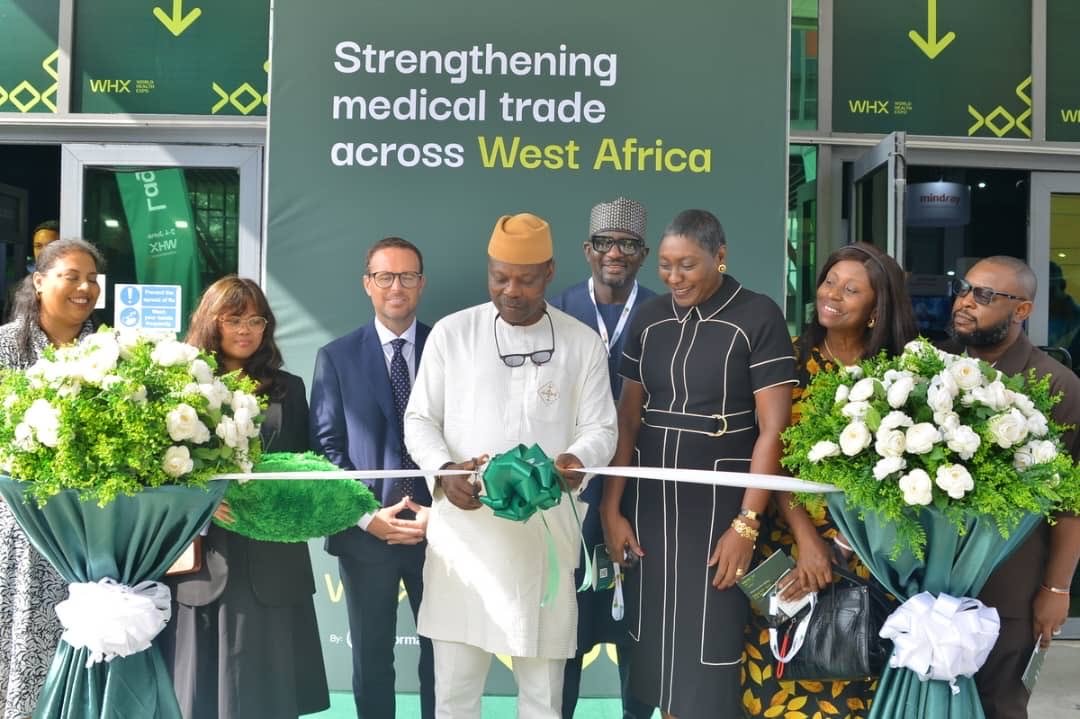
The declaration was made by the Minister of State for Health and Social Welfare, Iziaq Adekunle Salako, during the opening ceremony of the World Health Expo (WHX Lagos 2026) in Lagos.
Speaking at the three-day international healthcare exhibition, Dr. Salako described the event as a strategic platform connecting global healthcare innovation with Nigeria’s growing demand for accessible, modern, and resilient healthcare systems.
Formerly known as Medic West Africa, WHX Lagos has grown into West Africa’s largest healthcare trade and innovation event, bringing together more than 8,000 healthcare professionals, over 500 exhibitors from more than 40 countries, alongside policymakers, investors, manufacturers, innovators, and healthcare experts.
Tinubu Administration Driving Healthcare Transformation
The minister said the Tinubu administration is implementing one of the most ambitious healthcare infrastructure and industrialisation programmes in Nigeria’s history, with significant investments targeted at diagnostics, oncology services, cardiac care, local pharmaceutical production, digital health systems, and healthcare value-chain development.
According to him, Nigeria must reduce its dependence on imported medical equipment and diagnostic tools, particularly as global supply chain disruptions continue to expose vulnerabilities across African health systems.
“Across West Africa, between 85 and 99 per cent of medical equipment and in vitro diagnostics are imported. Nigeria must move from being primarily a consumer market to becoming a strategic hub for healthcare manufacturing, diagnostics, innovation, and medical technology deployment,” Salako said.
He noted that the ongoing reforms are designed not only to improve healthcare outcomes but also to stimulate economic growth, create jobs, attract investments, and position Nigeria as a healthcare leader on the continent.
Major Healthcare Reforms Underway
The minister highlighted several flagship initiatives currently being implemented by the Federal Government, including the Presidential Initiative to Unlock Healthcare Value Chains, the Presidential Executive Order for the Pharmaceutical and Allied Sectors, and the Sector-Wide Approach (SWAp) to healthcare reform.
He disclosed that President Tinubu has approved a nationwide healthcare infrastructure upgrade programme in partnership with the Nigeria Sovereign Investment Authority.
The programme includes the establishment of:
- 22 modern medical diagnostic centres;
- Six oncology and nuclear medicine centres; and
- Seven cardiac catheterisation laboratories across Nigeria’s six geopolitical zones.
Salako also reaffirmed the government’s commitment to the $1.2 billion SWAp health reform initiative and the ₦402 billion earmarked for healthcare infrastructure investments.
Call for Private Sector Participation
Describing healthcare as both a social necessity and a major economic sector, the minister said the government is actively encouraging private-sector participation, public-private partnerships, and foreign investment in the healthcare ecosystem.
“Nigeria is open for healthcare investment. Our hospitals require modern technologies, diagnostic systems, therapeutic equipment, digital infrastructure, and scalable innovations capable of improving care delivery for millions of Nigerians,” he said.
Salako commended Informa Markets and the Healthcare Federation of Nigeria (HFN) for sustaining a platform that continues to advance discussions on healthcare financing, innovation, and sector development across West Africa.
He expressed confidence that partnerships forged during the expo would help accelerate Nigeria’s journey toward a more resilient, self-sustaining, and globally competitive healthcare system.